Understanding Notarised and Sworn Translations
Notarised and sworn translations are essential services in the UK, particularly for individuals and businesses dealing with legal documents. Understanding the nuances between these two types of translations can ensure that your documents meet the necessary legal requirements.
Definition of Notarised Translation
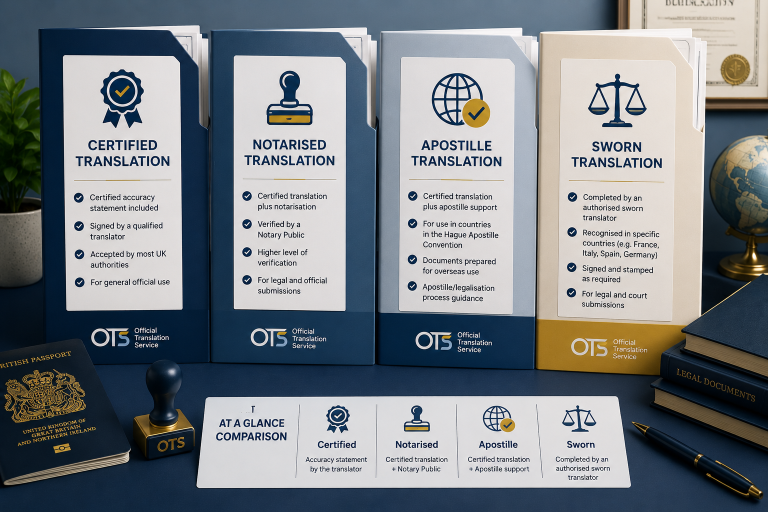
A notarised translation is a document that has been translated and then certified by a notary public. The notary public verifies the identity of the translator and confirms that the translation is a true and accurate representation of the original document. This certification adds a layer of authenticity, making it more acceptable for use in legal and official contexts.
Definition of Sworn Translation
Sworn translation, on the other hand, is performed by a sworn translator who has been officially recognised by a court or relevant authority. In the UK, sworn translators are often required for documents that need to be submitted to legal authorities, such as courts or immigration offices. The sworn translator takes an oath to ensure the accuracy and fidelity of the translation, which carries legal weight.
Key Differences Between Notarised and Sworn Translations
- Authority: Notarised translations are certified by a notary public, while sworn translations are certified by a sworn translator recognised by the court.
- Usage: Notarised translations are generally accepted for various legal purposes but may not be suitable for all official submissions. Sworn translations are specifically required for certain legal documents.
- Process: The process of obtaining a notarised translation involves a notary public, whereas sworn translations require the translator to be officially recognised, often necessitating additional qualifications.
- Legal Standing: Sworn translations typically have a stronger legal standing in court and official proceedings compared to notarised translations.
The Legal Framework for Translations in the UK
The legal framework surrounding translations in the UK is crucial for ensuring that documents are valid and accepted by authorities. Understanding this framework can help individuals and businesses navigate the complexities of legal documentation.
Overview of UK Translation Laws
In the UK, there is no specific law that governs translation services; however, various regulations and guidelines exist to ensure that translations meet the required standards for legal and official use. For instance, the UK Visas and Immigration (UKVI) has set specific guidelines for certified translations, which must be adhered to for visa applications and immigration purposes.
Role of Notaries and Sworn Translators
Notaries play a vital role in the certification of documents, providing an assurance of authenticity and preventing fraud. They are often called upon to notarise translations for various documents, including contracts, affidavits, and academic transcripts. Sworn translators, meanwhile, are essential for legal proceedings, as their translations are recognised by the courts and carry the weight of an official declaration.
Importance of Compliance for Legal Documents
Compliance with legal requirements is paramount when dealing with translations. Failure to provide the correct type of translation can result in delays, rejections, or even legal complications. For example, immigration authorities may reject applications if the submitted translations are not sworn or certified according to their guidelines. Therefore, understanding when to use notarised versus sworn translations is crucial for ensuring that legal documents are processed smoothly.
When to Use Notarised Translation
Notarised translations are commonly required in various scenarios. Knowing when to use this type of translation can save time and ensure compliance with legal standards.
Common Scenarios for Notarised Translations
Notarised translations are often needed in the following situations:
- Real Estate Transactions: When purchasing property abroad, notarised translations of contracts and property deeds may be required.
- Educational Documents: Universities may require notarised translations of academic transcripts for admissions or transfer processes.
- Employment Contracts: Employers may request notarised translations of contracts for international hires.
Types of Documents That Require Notarisation
Common documents that typically require notarisation include:
- Birth certificates
- Marriage certificates
- Legal contracts
- Power of attorney documents
Benefits of Notarised Translations
There are several benefits to obtaining a notarised translation:
- Increased Credibility: Notarised translations carry added credibility, making them more likely to be accepted by authorities.
- Fraud Prevention: The involvement of a notary public helps prevent fraud and ensures the authenticity of the translation.
- Versatility: Notarised translations can be used for a variety of purposes, including legal, academic, and business contexts.
When to Use Sworn Translation
Sworn translations are crucial in specific situations where legal recognition is necessary. Understanding when to opt for a sworn translation can help avoid complications.
Common Scenarios for Sworn Translations
Sworn translations are typically required in the following scenarios:
- Legal Proceedings: Documents submitted to courts or legal authorities must often be sworn translations to ensure their validity.
- Immigration Applications: Many immigration applications require sworn translations of personal documents.
- Official Government Submissions: Any document submitted to government agencies often necessitates a sworn translation.
Types of Documents That Require Sworn Translation
Documents that commonly require sworn translations include:
- Court documents
- Legal contracts
- Immigration documents
- Official certificates (e.g., birth, marriage, death)
Benefits of Sworn Translations
The advantages of using sworn translations include:
- Legal Acceptance: Sworn translations are recognised by courts and government agencies, ensuring they meet legal standards.
- Accuracy Assurance: The sworn translator’s oath guarantees the accuracy and fidelity of the translation.
- Streamlined Processes: Using sworn translations can help expedite legal and immigration processes by meeting specific requirements.
The Process of Obtaining Notarised and Sworn Translations
Understanding the processes involved in obtaining notarised and sworn translations can help streamline your experience and ensure compliance with legal requirements.
Steps to Get a Notarised Translation
- Select a Qualified Translator: Choose a translator who is proficient in both the source and target languages and has experience in notarised translations.
- Translate the Document: The translator will create a translation of the original document.
- Notary Public Certification: The translator presents the translated document to a notary public, who verifies the translator’s identity and certifies the translation.
- Receive the Notarised Document: Once certified, you will receive the notarised translation, which is ready for use.
Steps to Get a Sworn Translation
- Find a Sworn Translator: Look for a translator who is officially recognised as a sworn translator in the relevant jurisdiction.
- Provide the Original Document: Submit the original document to the sworn translator for translation.
- Translation and Certification: The sworn translator will translate the document and provide a signed declaration attesting to the accuracy of the translation.
- Obtain the Sworn Translation: You will receive the sworn translation, which can be used for legal purposes.
Timeframes and Costs Involved
The timeframes and costs for obtaining notarised and sworn translations can vary based on several factors:
- Complexity of the Document: More complex documents may take longer to translate and certify.
- Translator Availability: The availability of qualified translators can affect turnaround times.
- Costs: Generally, notarised translations may be less expensive than sworn translations due to the additional legal requirements involved in the latter.
Choosing the Right Translation Service
Selecting the right translation service is crucial for ensuring that your documents are accurately translated and legally recognised. Here are key factors to consider.
Factors to Consider When Selecting a Translation Service
- Specialisation: Choose a service that specialises in the type of translation you require, such as legal or medical translations.
- Accreditation: Look for translation services that are accredited by professional bodies, ensuring they adhere to industry standards.
- Experience: Consider the experience of the translators, especially in handling notarised or sworn translations.
Importance of Accreditation and Experience
Accreditation and experience are vital indicators of a translation service’s reliability. Accredited services are more likely to maintain high-quality standards, while experienced translators will be familiar with the specific requirements for notarised and sworn translations.
How to Verify Translator Qualifications
To verify translator qualifications, consider the following steps:
- Request proof of accreditation from relevant professional bodies.
- Check reviews and testimonials from previous clients.
- Ask for samples of previous work to assess quality and consistency.
Common Misconceptions about Notarised and Sworn Translations
There are several misconceptions surrounding notarised and sworn translations that can lead to confusion. Clarifying these misunderstandings is essential for making informed decisions.
Debunking Myths About Notarised Translations
One common myth is that notarised translations are equivalent to sworn translations. While both provide a level of certification, notarised translations do not carry the same legal weight as sworn translations, which are specifically recognised by courts.
Clarifying Misunderstandings About Sworn Translations
Another misconception is that all translators can provide sworn translations. In reality, only those who have been officially recognised by a court or relevant authority can offer this service, making it crucial to choose a qualified sworn translator.
Importance of Accurate Information
Having accurate information about notarised and sworn translations is vital for ensuring compliance with legal requirements. Misinformation can lead to delays, rejections, or complications in legal processes.
Conclusion: Making the Right Choice
In summary, understanding the differences between notarised and sworn translations is crucial for anyone dealing with legal documents in the UK. Each type of translation serves distinct purposes and is required in different contexts. By seeking professional advice and ensuring compliance with legal standards, you can navigate the complexities of translation services effectively.
For further assistance with notarised or sworn translations, consider reaching out to a professional translation service that can guide you through the process and ensure your documents meet all necessary requirements.
Frequently Asked Questions
What is the difference between notarised and sworn translation?
Notarised translation involves a notary public certifying the document, while sworn translation is performed by a sworn translator recognized by the court.
When should I use a sworn translation in the UK?
Use sworn translation for legal documents, court submissions, and official purposes where accuracy and recognition are critical.
Can I use a notarised translation for legal purposes?
Notarised translations may be accepted, but it’s essential to check specific requirements for the intended use.
How do I find a qualified translator for notarised or sworn translations?
Look for accredited translation services, check qualifications, and read reviews to ensure quality.
What types of documents typically require notarised or sworn translations?
Common documents include birth certificates, marriage certificates, legal contracts, and immigration papers.