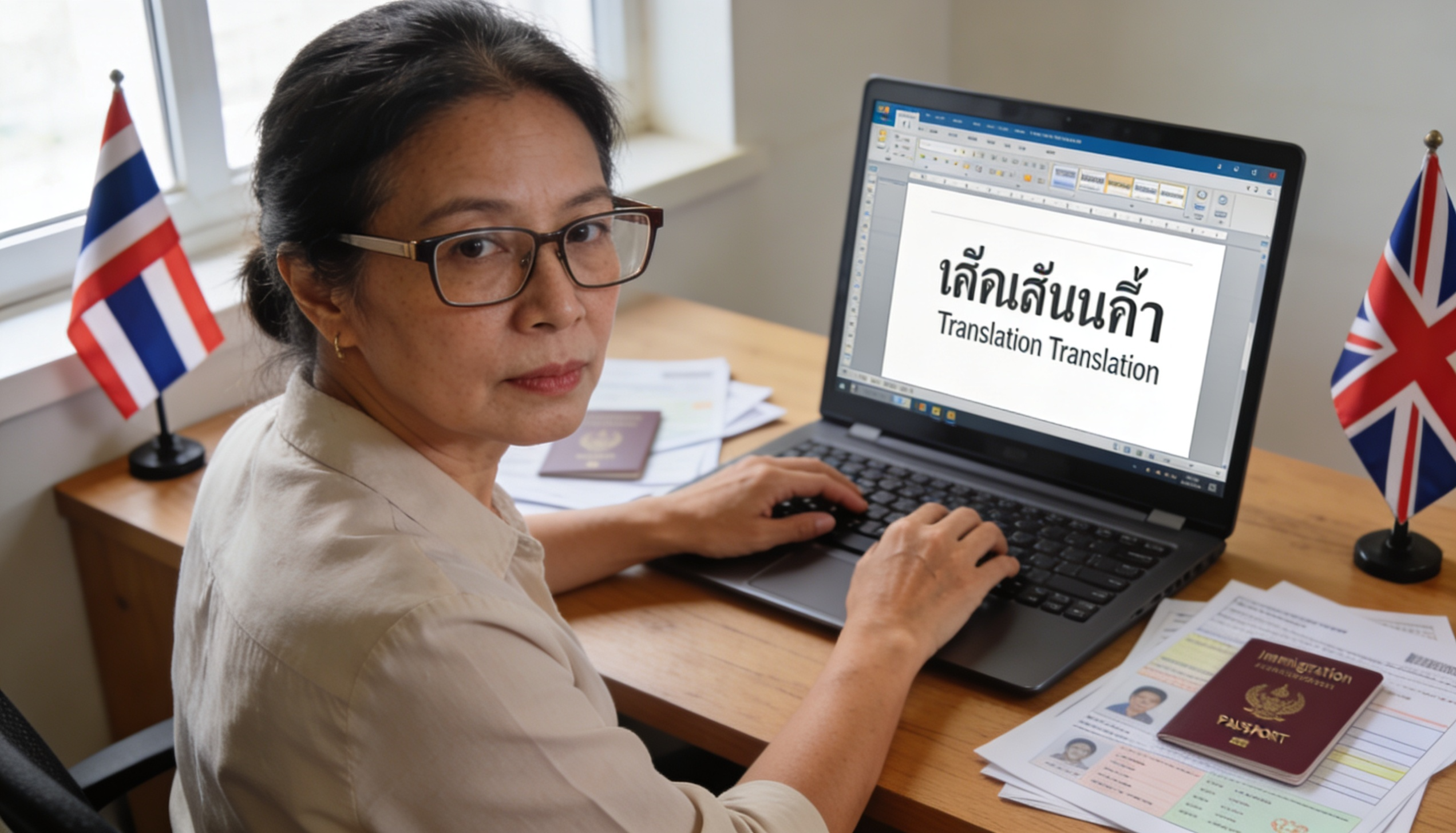
Understanding Thai Translation for UK Immigration
Accurate translation of documents is crucial for anyone navigating the UK immigration system. Thai translation for UK immigration is not merely a matter of converting words from one language to another; it involves ensuring that all documents meet the specific requirements set forth by the UK Home Office. This is particularly important as any inaccuracies or omissions can lead to delays, rejections, or complications in the immigration process.
The UK immigration system requires various documents to be submitted in English, which means that any official documents originating from Thailand must be translated into English by a certified translator. This includes a wide range of documents such as passports, birth certificates, marriage certificates, and more. Each document must be translated accurately to ensure compliance with Home Office standards, which can vary depending on the type of visa or immigration status being applied for.
In addition to accuracy, the translation must also be complete and reflect the original document’s intent and meaning. This is particularly important in legal and immigration contexts, where even minor errors can result in significant consequences. For example, a mistranslation of a date or name could lead to a visa application being denied. Therefore, engaging a professional translator who specializes in Thai translation for UK immigration is essential.
Moreover, the Home Office has specific guidelines regarding the qualifications of translators. They must be recognized by a professional body, such as the Institute of Translation and Interpreting (ITI) or the National Register of Public Service Interpreters (NRPSI). This ensures that the translator is competent and understands the legal implications of their work. Failure to adhere to these guidelines can result in the rejection of the translated documents, further complicating the immigration process.
In summary, understanding the importance of accurate Thai translation for UK immigration is the first step in ensuring a smooth immigration process. Engaging certified translators who are familiar with the requirements of the Home Office can significantly enhance the chances of a successful application.
Types of Thai Translations Required for UK Immigration
When applying for immigration to the UK, various types of Thai translations may be required depending on the specific circumstances of the applicant. Here are the primary categories of translations that are often needed:
Thai Translation for Visa Applications
Visa applications typically require a range of supporting documents to be submitted in English. Common documents that require translation include:
- Passports: The entire passport must be translated, including personal details, visa stamps, and any additional pages.
- Birth Certificates: This document must be translated to verify the applicant’s identity and age.
- Marriage Certificates: For applicants applying as spouses or partners, a certified translation of the marriage certificate is essential.
- Financial Documents: Bank statements, payslips, and tax returns may also need to be translated to demonstrate financial stability.
Each of these documents must be translated accurately to ensure that they meet the Home Office’s requirements for visa applications. Any discrepancies can lead to delays or denials.
Thai Translation for Home Office Documentation
In addition to visa applications, applicants may need to submit various documents directly to the Home Office. This can include:
- Legal Documents: Any legal documents, such as court orders or affidavits, must be translated to ensure they are understood by UK authorities.
- Educational Qualifications: Translations of diplomas, transcripts, and other educational documents may be required, especially for those applying for student visas.
- Employment Letters: Letters from employers verifying employment status or job offers must also be translated to support visa applications.
These documents must be translated by certified professionals who understand the legal terminology and requirements of the Home Office.
Thai UKVI Translation Specifics
The UK Visas and Immigration (UKVI) has specific requirements for translations that must be adhered to. All translations must:
- Be completed by a certified translator or translation agency.
- Include a signed statement from the translator confirming their qualifications and the accuracy of the translation.
- Be printed on official letterhead if done by a translation agency.
It is crucial for applicants to ensure that their translations comply with these UKVI requirements to avoid any issues during the immigration process. Engaging a professional service that specializes in Thai translation for UK immigration can help ensure compliance.
The Process of Obtaining Certified Thai Translations
Obtaining certified Thai translations for UK immigration involves several steps to ensure that the documents are accurate and meet the necessary legal requirements. Here’s a detailed look at the process:
Steps to Get Certified Translations
- Identify Required Documents: Determine which documents need translation based on the specific immigration application.
- Choose a Certified Translator: Select a translator or translation service that is accredited and experienced in handling immigration documents.
- Submit Documents for Translation: Provide the original documents to the translator along with any specific instructions or requirements.
- Review Translations: Once the translations are completed, review them for accuracy and completeness.
- Obtain Certification: Ensure that the translator provides a signed statement confirming the accuracy of the translations.
- Submit Translations with Application: Include the certified translations with the immigration application to the Home Office.
Choosing a Certified Translator for UK Immigration
When selecting a certified translator, consider the following:
- Qualifications: Ensure the translator is accredited by a recognized professional body.
- Experience: Look for translators who have experience in immigration-related translations.
- Reviews and Testimonials: Check reviews or ask for testimonials from previous clients to gauge the quality of their work.
Common Pitfalls to Avoid
While navigating the translation process, be aware of common pitfalls that could jeopardize your immigration application:
- Using Non-Certified Translators: Avoid using non-certified translators as their work may not be accepted by the Home Office.
- Inadequate Review: Failing to thoroughly review translations can lead to errors that may affect your application.
- Missing Certification: Ensure that all translations include the necessary certification to avoid rejections.
Key Considerations for Thai Translation in Immigration
When dealing with Thai translation for immigration purposes, several key considerations must be kept in mind to ensure a smooth process:
Legal Requirements for Translations
The UK Home Office has strict legal requirements for translations. All translations must be:
- Performed by a qualified translator who is fluent in both Thai and English.
- Accompanied by a signed declaration from the translator, attesting to their qualifications and the accuracy of the translation.
- Completed in a format that is acceptable to the Home Office, including proper formatting and presentation.
Cultural Nuances in Translation
Understanding cultural nuances is essential in translation. Certain phrases or concepts may not have direct translations, and a skilled translator will be able to convey the intended meaning accurately. This is particularly important in legal and immigration contexts, where misinterpretations can lead to serious consequences.
Impact of Poor Translations on Visa Applications
Submitting poorly translated documents can have significant repercussions, including:
- Delays in processing times as the Home Office may request additional information or corrections.
- Denial of visa applications due to inaccuracies or incomplete translations.
- Increased stress and uncertainty for applicants who may need to reapply or provide additional documentation.
To avoid these issues, it is imperative to invest in high-quality, certified translations from reputable services.
Cost of Thai Translation Services for UK Immigration
The cost of Thai translation services for UK immigration can vary widely based on several factors. Understanding these factors can help applicants budget effectively for their translation needs.
Factors Affecting Translation Costs
- Document Type: Different types of documents may have varying complexity, affecting the cost. Legal documents often require more expertise, which can increase the price.
- Length of Documents: The longer the document, the higher the cost, as more time and effort are required for translation.
- Urgency: If translations are needed on a rush basis, additional fees may apply.
Average Pricing for Thai Certified Translations
While prices can vary, here are some average costs associated with Thai certified translations for immigration:
- Standard document translation (e.g., birth certificates, marriage certificates): £30 – £60 per document.
- Complex legal documents: £70 – £150 per document.
- Rush services: Additional £20 – £50 depending on the urgency.
Budgeting for Translation Services
When budgeting for translation services, consider not only the direct costs of translation but also potential additional expenses, such as:
- Notarization fees if required.
- Shipping costs for sending documents to and from the translator.
- Any fees associated with re-submission of documents if errors occur.
Planning ahead can help mitigate unexpected costs and ensure that all necessary documents are translated accurately and on time.
Finding a Reliable Thai Translation Service
Choosing a reliable Thai translation service is crucial for ensuring that your immigration documents are translated accurately and meet all legal requirements. Here are some tips for finding the right service:
How to Identify Accredited Translation Services
Look for translation services that have the following credentials:
- Accreditation from recognized professional bodies, such as the ITI or NRPSI.
- Positive reviews and testimonials from previous clients.
- A transparent process for handling translations, including clear communication about timelines and costs.
Questions to Ask Potential Translators
Before selecting a translation service, ask the following questions:
- What qualifications do your translators have?
- Do you have experience with immigration-related translations?
- Can you provide references or testimonials from previous clients?
- What is your turnaround time for translations?
- What is your process for ensuring accuracy and quality?
Reviews and Testimonials Importance
Reading reviews and testimonials can provide valuable insight into the quality of service offered by a translation company. Look for services that have consistently positive feedback regarding their accuracy, professionalism, and customer service. This can help you make an informed decision and choose a service that will meet your needs effectively.
Frequently Asked Questions about Thai Translation for UK Immigration
What is Thai translation for UK immigration?
Thai translation for UK immigration refers to the translation of documents required for UK immigration, ensuring compliance with Home Office standards.
How do I get my Thai documents translated for a visa?
To get your Thai documents translated for a visa, find a certified translator, submit your documents for translation, and receive certified copies for submission.
What is the difference between certified and non-certified translations?
Certified translations are legally recognized and often required for official purposes, while non-certified translations may not be accepted by authorities.
How much does Thai translation for UK immigration cost?
Costs vary based on document type and length, with average prices ranging from £30 to £150 depending on complexity and urgency.
Can I translate my own documents for UK immigration?
Self-translations are generally not accepted; professional translations ensure accuracy and compliance with immigration requirements.
What documents typically require Thai translation for immigration?
Common documents that require Thai translation for immigration include passports, birth certificates, marriage certificates, and any official documents submitted to the Home Office.