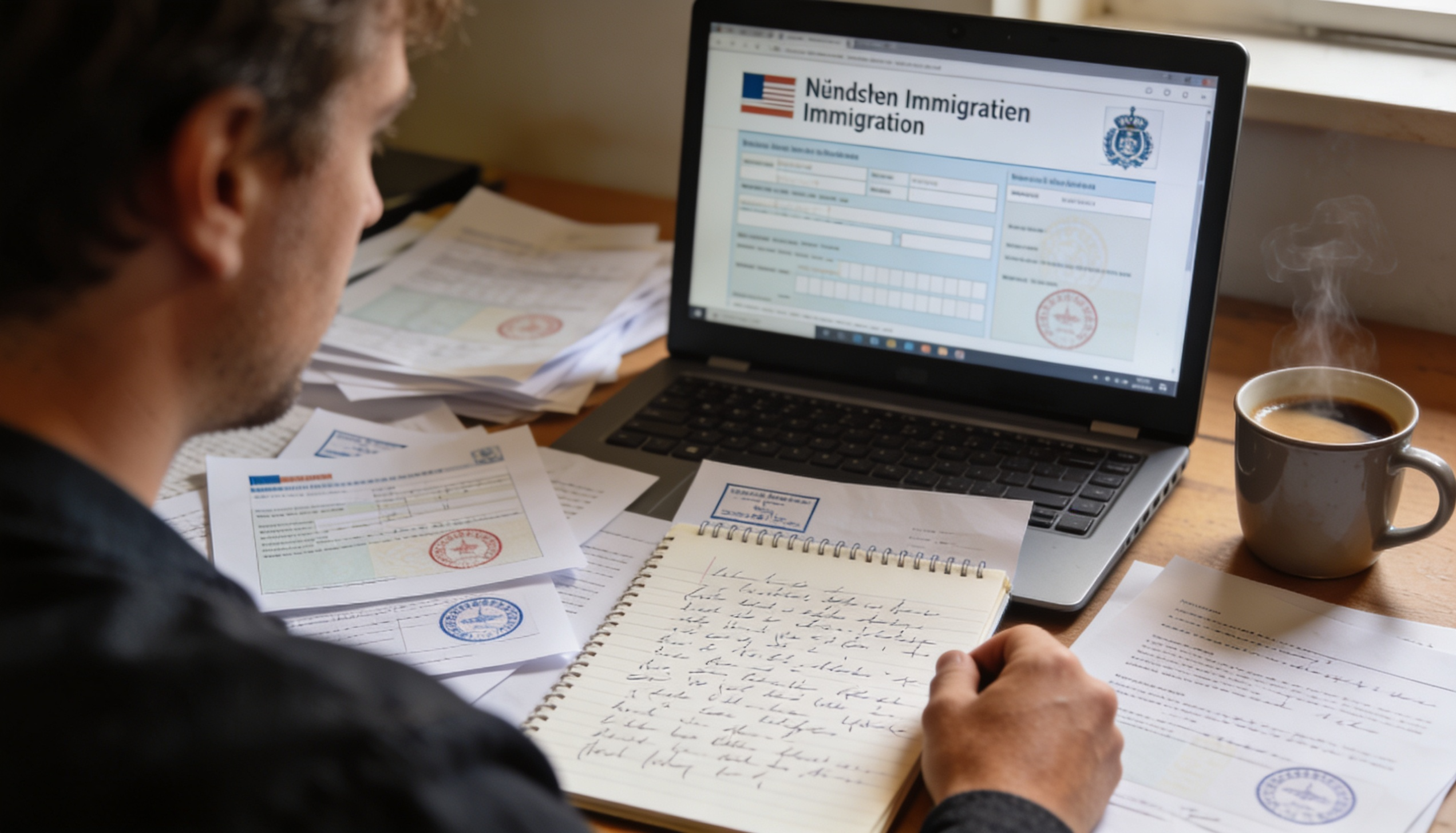
Understanding Dutch Translation for UK Immigration
Accurate translation is a critical component of the UK immigration process, particularly for individuals whose first language is not English. The UK Home Office requires that all documents submitted for immigration purposes be translated into English by a certified translator. This requirement ensures that all information is clearly understood and correctly interpreted, which is essential for making informed decisions regarding visa applications, residency, and citizenship. Inaccuracies in translation can lead to delays, rejections, or even legal complications, making it imperative that applicants invest in high-quality translation services.
The UK immigration system is complex, with various categories of visas and specific requirements for each. For instance, applicants seeking to join family members in the UK, work, study, or settle permanently must provide documentation that often includes birth certificates, marriage certificates, educational qualifications, and financial statements. Each of these documents must be accurately translated to meet the Home Office’s stringent standards. Failure to do so can result in significant setbacks in the application process, which can be both time-consuming and costly.
Moreover, the importance of accurate translation extends beyond mere compliance with Home Office requirements. It also plays a vital role in ensuring that applicants’ rights and responsibilities are clearly communicated. Misunderstandings arising from poorly translated documents can lead to misinterpretations of legal obligations, potentially resulting in severe consequences for the applicant. Therefore, understanding the nuances of Dutch translation for UK immigration is essential for a smooth and successful immigration experience.
Types of Dutch Translations Needed for Immigration
When applying for UK immigration, there are several types of Dutch translations that may be required. Each type serves a specific purpose and must adhere to the Home Office’s guidelines for certified translations.
Dutch Translation for Visa Applications
Visa applications are often the first step in the immigration process, and they require a variety of supporting documents. Commonly needed translations include:
- Birth Certificates: Essential for proving identity and familial relationships.
- Marriage Certificates: Required for spouse or partner visa applications.
- Educational Qualifications: Translations of diplomas and transcripts are necessary for student visa applications or skilled worker visas.
Each of these documents must be translated accurately to reflect the original content, as any discrepancies can lead to complications in the visa approval process.
Dutch Translation for Home Office Documentation
The Home Office may request additional documentation during the immigration process, such as:
- Financial Statements: To demonstrate the applicant’s financial stability.
- Police Certificates: Required to prove good character and lack of criminal history.
- Medical Reports: Necessary for certain visa categories, especially those related to health care or long-term residency.
These documents must be translated by a certified translator who understands the legal implications of the content, ensuring that the translations are both accurate and compliant with Home Office standards.
Dutch UKVI Translation Requirements
The UK Visas and Immigration (UKVI) has specific requirements for translations, which include:
- Translations must be completed by a qualified translator or translation service.
- Each translation must include a signed statement from the translator confirming that it is an accurate and complete translation of the original document.
- Translations must be provided in a format that is easy to read and understand, typically accompanied by the original document.
Understanding these requirements is crucial for ensuring that all documents meet the necessary standards for submission, thereby avoiding unnecessary delays or complications in the immigration process.
The Role of Certified Translations in UK Immigration
Certified translations play a pivotal role in the UK immigration process. A certified translation is a translation that has been officially recognized as accurate and complete by a qualified translator or translation service. This certification is essential for various reasons:
What is a Certified Translation?
A certified translation includes a signed statement from the translator or translation service, affirming that the translation is a true and accurate representation of the original document. This certification adds a layer of credibility, which is particularly important in legal contexts such as immigration. The statement typically includes the translator’s qualifications, contact information, and a declaration of their expertise in the relevant language pair.
Why Certified Translations are Required by the Home Office
The Home Office mandates certified translations to ensure that all submitted documents are accurate and reliable. This requirement helps maintain the integrity of the immigration process by:
- Ensuring that all information is correctly understood by immigration officials.
- Minimizing the risk of misinterpretation that could lead to incorrect decisions regarding visa applications.
- Providing a clear and verifiable record of the information presented by the applicant.
Without certified translations, applicants risk having their documents rejected, which can lead to significant delays in the immigration process.
How to Obtain a Certified Translation
Obtaining a certified translation involves several steps:
- Identify a Qualified Translator: Look for translators or translation services that are certified and have experience with immigration documents.
- Request a Quote: Contact the translator to discuss your needs and obtain a quote for the translation services.
- Provide Original Documents: Submit the original documents that require translation, ensuring that they are clear and legible.
- Review the Translation: Once completed, review the translation for accuracy and completeness before submission.
- Receive Certification: The translator will provide a signed statement certifying the accuracy of the translation.
Following these steps ensures that you receive a certified translation that meets the Home Office’s requirements, facilitating a smoother immigration process.
Choosing the Right Translation Service
Selecting the right translation service is crucial for ensuring that your Dutch translations for UK immigration are accurate, timely, and compliant with all requirements. Here are some key factors to consider:
Factors to Consider When Selecting a Translation Service
- Experience and Expertise: Look for a translation service with a proven track record in immigration translations. They should have translators who are familiar with the specific requirements of the Home Office.
- Certification: Ensure that the service provides certified translations and that their translators are accredited by recognized bodies.
- Turnaround Time: Inquire about the typical turnaround time for translations, especially if you have tight deadlines.
- Customer Reviews: Check testimonials and reviews from previous clients to gauge the quality of service and reliability.
Importance of Using Home Office Approved Translators
Using translators who are recognized by the Home Office is essential for ensuring that your documents meet the necessary standards. Home Office approved translators are familiar with the specific requirements for immigration documents and can provide translations that are less likely to be challenged or rejected. This can save you time and stress during the immigration process.
Cost Considerations for Dutch Translation Services
The cost of Dutch translation services can vary widely based on several factors:
- Document Type: Different types of documents may have different pricing structures based on complexity and length.
- Urgency: Expedited services typically come at a premium, so consider your timeline when requesting a quote.
- Volume of Work: Some services may offer discounts for larger projects or multiple documents.
It is advisable to request quotes from multiple translation services to compare prices and ensure you are getting a fair rate for the quality of service offered.
Common Challenges in Dutch Translation for Immigration
Language Nuances and Legal Terminology
One of the primary challenges in Dutch translation for immigration is the complexity of legal terminology. Legal documents often contain specific terms and phrases that may not have direct translations in English. This can lead to misunderstandings or misinterpretations if not handled correctly. A skilled translator will be familiar with both languages’ legal systems and terminology, ensuring that the translation accurately reflects the original document’s intent.
Potential Pitfalls in Translation Accuracy
Common pitfalls that can affect translation accuracy include:
- Literal Translations: Translators may be tempted to translate phrases literally, which can lead to confusion or inaccuracies.
- Omission of Information: Important details may be left out if the translator is not thorough, leading to incomplete submissions.
- Inconsistent Terminology: Using different terms for the same concept can create confusion and may raise red flags during the review process.
How to Avoid Common Mistakes
To mitigate these challenges, consider the following tips:
- Choose Experienced Translators: Opt for translators with a background in legal or immigration documents.
- Provide Clear Instructions: Clearly communicate your needs and expectations to the translator.
- Review the Translation: Always review the translated documents for accuracy and completeness before submission.
Steps to Prepare Your Documents for Translation
Preparing your documents for translation is a crucial step in the immigration process. Proper preparation can save time and ensure that your translations meet the necessary standards.
Gathering Necessary Documents
Start by compiling all the documents that require translation. This may include:
- Birth and marriage certificates
- Educational qualifications
- Financial statements
- Police certificates
Ensure that you have clear, legible copies of each document to facilitate the translation process.
Formatting Requirements for Translations
Different documents may have specific formatting requirements. For instance, official documents may need to be presented in a particular layout or include certain headers. Consult with your translator to ensure that the formatting meets the Home Office’s standards.
Timeline for Document Preparation
Consider the timeline for preparing your documents. Allow ample time for translation, as well as for any potential revisions or corrections. It is advisable to start this process as early as possible to avoid last-minute complications.
Frequently Asked Questions about Dutch Translation for UK Immigration
How long does it take to get a Dutch translation?
Typically, standard translations take 3-5 business days. Expedited services may be available for urgent needs, but it is essential to confirm this with your translation service.
What documents need to be translated for UK immigration?
Commonly required documents include visa applications, birth certificates, marriage certificates, and educational qualifications. Each of these must be accurately translated to meet the Home Office’s requirements.
Can I translate my own documents?
Self-translations are generally not accepted for official use. It is crucial to use a certified translator for all immigration-related documents to ensure compliance with the Home Office’s standards.
What is the cost of Dutch translation for immigration?
Costs vary based on document type and length. It is advisable to request quotes from multiple translation services to find a competitive rate that meets your needs.
How to ensure my translation is accepted by the Home Office?
To ensure acceptance, use a Home Office approved translator, and make sure the translation is certified and accurate. Following these guidelines will help facilitate a smoother immigration process.