Understanding Certified Translations in the UK
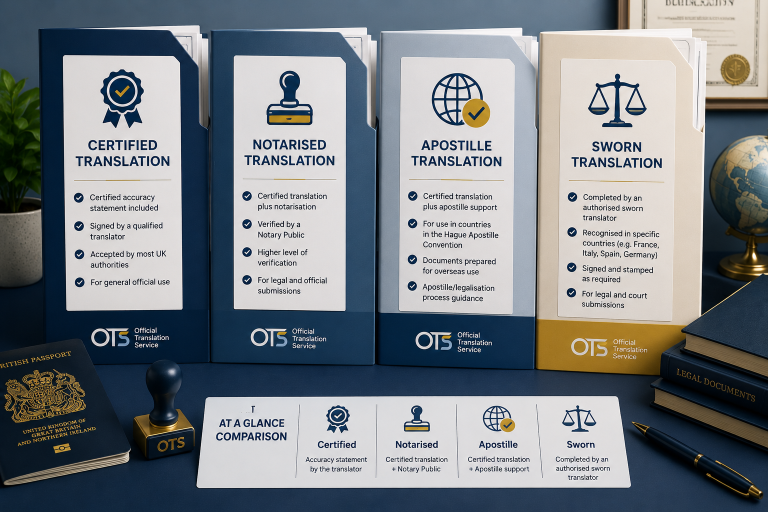
A certified translation is supplied with a signed statement confirming responsibility for the translation’s accuracy and completeness. It may be required for immigration, legal, academic or other official uses, but the exact certification, language and format requirements depend on the organisation receiving the document.
Different UK authorities and institutions set their own translation requirements. For immigration applications, follow the current instructions for the specific route and evidence being submitted. Certification records responsibility for the translation; it does not guarantee that every authority will accept the document.
Moreover, the importance of certified translations extends beyond just meeting legal requirements. They serve as a safeguard for applicants, ensuring that their documents are presented in a manner that is both professional and compliant. This can significantly influence the outcome of applications, making it imperative for individuals to understand the nuances of certified translations and their role in the UK’s bureaucratic landscape.
Common Reasons for Translation Rejection
A translation can be queried, returned or found unsuitable when it does not match the receiving organisation’s requirements. Common avoidable problems include:
- Inaccurate Translations: One of the most common reasons for rejection is inaccuracies in the translation itself. This can include mistranslations, omissions, or additions that alter the meaning of the original document. For example, translating a legal term incorrectly can lead to significant misunderstandings.
- Missing required certification details: If the recipient asks for an accuracy statement, date, signature, contact details or other provider information, omitting those details can cause the translation to be queried. Requirements vary by recipient.
- Hard-to-follow presentation: The translation should make it clear which source text, stamps, signatures, notes and pages correspond to the translation. Exact visual duplication is not universally required unless the recipient says so.
- Provider does not meet the recipient’s requirements: Some recipients specify who may provide the translation or what identifying details are needed. CIOL, ITI or ATC links can be useful quality signals, but membership is not a universal requirement for every UK authority.
By being aware of these common issues, applicants can take proactive steps to ensure their translations meet the required standards, thereby minimizing the risk of rejection.
Why Translations Are Rejected by UK Authorities
UK immigration authorities have specific requirements that must be adhered to when submitting translated documents. Understanding these requirements is crucial for ensuring acceptance. Here are some reasons why translations are often rejected:
- Specific Requirements of UK Immigration: Each type of document may have its own set of requirements. For instance, a birth certificate may need to be translated in a particular format, while a marriage certificate may require additional information regarding the translator’s credentials. Failure to comply with these specific requirements can result in rejection.
- Wrong requirement applied: A university, court and immigration route may each ask for different certification or presentation details. Using a generic template without checking the actual recipient can create problems.
- Possible consequences: A translation issue may result in a request for clarification, a replacement translation, further evidence or delay. The effect on the underlying application depends on the process and significance of the problem.
To avoid these pitfalls, it is essential for applicants to familiarize themselves with the specific requirements of the documents they are submitting and to ensure that their translations are completed by qualified professionals.
Common Translation Mistakes to Avoid
In the process of obtaining certified translations, several common mistakes can lead to rejection. Here are key errors to be aware of:
- Literal Translations: Translating phrases word-for-word can result in awkward or incorrect meanings. For example, idiomatic expressions may not have direct equivalents in English, leading to confusion. A skilled translator will understand the context and convey the intended meaning rather than simply translating the words.
- Ignoring Cultural Nuances: Cultural context plays a significant role in translation. Failing to consider cultural differences can lead to misunderstandings. For instance, names, dates, and titles may have specific formats or significance that differ between cultures, and these must be respected in the translation.
- Omitting Important Information: It is crucial that all relevant information is included in the translation. Omitting details, such as dates, names, or specific legal terminology, can lead to a rejection. Every piece of information in the original document must be accounted for in the translation.
By avoiding these common mistakes, applicants can enhance the quality of their translations and reduce the likelihood of rejection.
How to Ensure Your Translation is Accepted
To maximize the chances of having a translation accepted by UK authorities, applicants should follow these guidelines:
- Choose a suitable provider: Look for the relevant language and document expertise and make sure the provider can meet the recipient’s certification requirements. Professional accreditation can be useful but is not universal.
- Reviewing Requirements from UK Authorities: Before submitting any documents, it is essential to review the specific requirements set forth by the relevant UK authority. This may include checking for required formats, additional documentation, or specific certification statements.
- Double-Checking Documents: Before submission, thoroughly review the translated documents for accuracy and completeness. This includes checking for formatting issues, ensuring all information is included, and confirming that the translator’s certification details are present and correct.
By following these steps, applicants can significantly improve the likelihood of their translations being accepted, thereby facilitating a smoother application process.
Tips for Working with Translators
Effective collaboration with translators is crucial for obtaining high-quality translations. Here are some tips for ensuring a smooth working relationship:
- Effective Communication: Clearly communicate your needs and expectations to the translator. Provide them with as much context as possible about the document, including its purpose and any specific requirements from UK authorities.
- Providing Context and Background: Share any relevant background information that might assist the translator in understanding the document’s significance. This can include details about the intended audience or specific terminology that should be used.
- Feedback and Revisions: Be open to providing feedback on drafts and be willing to discuss any necessary revisions. A collaborative approach can lead to a better final product and ensure that the translation meets all requirements.
By fostering a strong working relationship with translators, applicants can enhance the quality of their translations and reduce the likelihood of rejection.
Conclusion: Navigating the Translation Process
In summary, understanding the intricacies of certified translations is essential for anyone seeking to submit documents to UK authorities. By being aware of common reasons for rejection, avoiding typical mistakes, and following best practices for collaboration with translators, applicants can significantly improve their chances of success. It is crucial to choose qualified translators, review specific requirements, and ensure that all documents are meticulously prepared.
As the translation process can be complex and fraught with challenges, taking the time to understand these factors will ultimately lead to a smoother experience and a higher likelihood of acceptance. For those looking to navigate the translation process effectively, consider partnering with a certified translation service that can provide the expertise and guidance necessary to meet UK standards.
Frequently Asked Questions
What are the common reasons for translation rejection in the UK?
Common reasons include inaccurate translations, missing certification details, and poor formatting.
How can I avoid having my translation rejected?
Check the receiving organisation’s current requirements, use a provider with the right language and document expertise, and verify the translation and certification details before submission.
What should I do if my translation is rejected?
If your translation is rejected, contact the translator for corrections, understand the reasons for rejection, and resubmit with necessary changes.
Are there specific documents that require certified translations?
Some immigration, legal, academic and other submissions require certified translations, but the exact requirement depends on the receiving organisation and purpose.
How important is the translator’s certification?
The certification statement records responsibility for accuracy. Acceptance still depends on whether the translation meets the receiving organisation’s specific requirements.
Want to reduce the risk of a translation being queried?
Send us the document and the recipient’s instructions through our online order form so the certification can be prepared for the intended use.