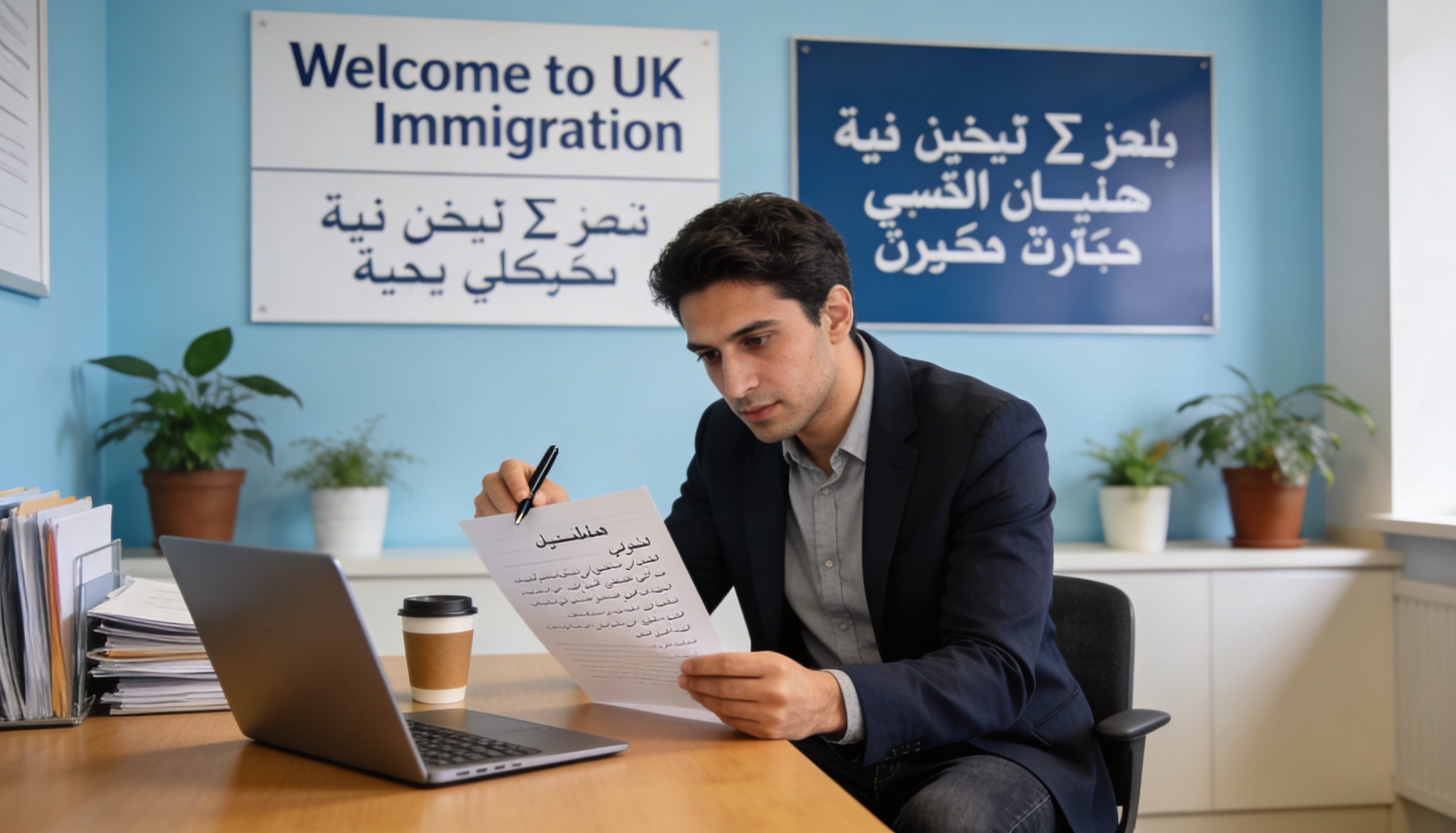
Understanding Farsi Translation for UK Immigration
Accurate translation plays a crucial role in the immigration process, especially for individuals applying to move to the UK. For Farsi speakers, the importance of precise translation cannot be overstated. Incorrect translations can lead to misunderstandings, delays, or even rejections of visa applications. The UK Home Office mandates that all documents submitted as part of an immigration application must be translated into English by a qualified translator. This ensures that the information is clear and comprehensible to immigration officials.
Farsi translation requirements for UK immigration encompass a variety of documents, including birth certificates, marriage certificates, and educational qualifications. Each of these documents must be translated not only accurately but also in a format that meets the Home Office’s specific guidelines. This includes providing a certified translation, which is a translation that comes with a signed statement from the translator attesting to its accuracy. Failure to adhere to these requirements can jeopardize an applicant’s chances of obtaining a visa or residency.
Moreover, the Farsi language presents unique challenges due to its rich vocabulary and idiomatic expressions. Translators must not only be fluent in both Farsi and English but also possess a deep understanding of the cultural nuances that may affect the translation. This is particularly important in legal contexts, where the precise meaning of terms can significantly impact the outcome of an immigration application. Therefore, choosing a qualified translator who specializes in Farsi translation for UK immigration is essential.
Types of Farsi Translations Required for UK Immigration
When applying for a UK visa, various types of Farsi translations may be required. Understanding these requirements is essential for ensuring that all necessary documents are submitted correctly.
Farsi Translation for Visa Applications
Visa applications often require a range of supporting documents, many of which may be in Farsi. Common documents include:
- Birth certificates
- Marriage certificates
- Educational qualifications
- Financial documents
Each of these documents must be translated into English, and the translations must be certified. For instance, if an applicant is submitting a birth certificate, the translation must accurately reflect all details, including names, dates, and places, as any discrepancies could lead to complications in the application process.
Farsi Translation for Home Office Documentation
The Home Office requires specific documentation to be submitted with immigration applications. This documentation must be translated into English to ensure that officials can review the information without ambiguity. Some examples of Home Office documentation that may require Farsi translation include:
- Immigration history
- Criminal record certificates
- Proof of relationship documents
Each of these documents must be translated accurately and certified by a qualified translator. The Home Office may also require that the translator provide their credentials and a declaration stating that the translation is an accurate representation of the original document.
Farsi UKVI Translation Specifics
The UK Visas and Immigration (UKVI) has specific guidelines for translations. For Farsi translations, it is essential that:
- The translation is done by a translator who is fluent in both Farsi and English.
- The translator provides a signed statement confirming the accuracy of the translation.
- The translation includes the translator’s qualifications and contact information.
Adhering to these guidelines is vital for ensuring that the translation meets UKVI standards and that the application process proceeds smoothly. Failure to comply with these requirements can result in delays or rejections of visa applications.
Choosing a Certified Farsi Translator
Selecting a certified Farsi translator is a critical step in the immigration process. A certified translator is someone who has been accredited by a recognized body and is qualified to provide official translations.
What Makes a Translator Certified?
A certified translator typically has undergone rigorous training and possesses a deep understanding of both the source and target languages. They are often members of professional organizations, such as the Institute of Translation and Interpreting (ITI) or the Chartered Institute of Linguists (CIOL). These organizations set high standards for their members and ensure that they are qualified to provide accurate translations for legal and immigration purposes.
How to Find Home Office Approved Translators
Finding a Home Office approved translator can be done through several avenues:
- Check the Home Office website for a list of approved translation services.
- Consult professional organizations such as the ITI or CIOL, which often have directories of certified translators.
- Seek recommendations from immigration consultants or solicitors who specialize in immigration law.
It is essential to verify that the translator is familiar with the specific requirements of the Home Office and has experience in translating immigration-related documents.
Importance of Using Certified Translations for Immigration
Using certified translations is crucial for several reasons:
- Legal Validity: Certified translations are recognized as legally valid by the Home Office, ensuring that the documents can be accepted without question.
- Accuracy: Certified translators are trained to provide precise translations, reducing the risk of errors that could impact the immigration process.
- Professionalism: Submitting certified translations demonstrates professionalism and attention to detail, which can positively influence the perception of your application.
The Farsi Translation Process for Immigration Documents
The process of obtaining translations for immigration documents involves several steps. Understanding this process can help applicants prepare effectively and ensure that their documents are ready for submission.
Step-by-Step Process of Obtaining Translations
- Identify Required Documents: Determine which documents need to be translated for your immigration application.
- Choose a Certified Translator: Select a certified translator who is experienced in immigration-related translations.
- Submit Documents: Provide the translator with the original documents and any specific instructions regarding the translation.
- Review the Translation: Once the translation is complete, review it for accuracy and ensure that it meets Home Office requirements.
- Obtain Certification: Ensure that the translator provides a signed statement certifying the accuracy of the translation.
- Submit Translations with Application: Include the certified translations with your immigration application.
Common Documents Requiring Translation
Common documents that typically require translation for UK immigration include:
- Birth certificates
- Marriage certificates
- Divorce certificates
- Educational qualifications
- Criminal record certificates
Timeframes for Translation Services
The time it takes to complete a Farsi translation can vary depending on several factors, including the length and complexity of the documents. Generally, translation services can take anywhere from a few days to a week. For urgent requests, many translation services offer expedited options, but these may come at an additional cost. It is advisable to plan ahead and allow sufficient time for translations to be completed before submitting your immigration application.
Common Challenges in Farsi Translation for Immigration
Translating Farsi documents for immigration purposes can pose several challenges that require careful consideration.
Language Nuances and Dialects
Farsi is a rich language with various dialects, which can lead to potential misunderstandings if not handled correctly. Translators must be aware of these dialectal differences and choose the appropriate terms that convey the intended meaning accurately. For example, certain words may have different connotations in different regions, which can affect the overall interpretation of the document.
Legal Terminology in Immigration Documents
Legal terminology can be particularly challenging in Farsi translations. Many legal terms do not have direct equivalents in English, which can lead to ambiguity if not translated carefully. A qualified translator must have a strong grasp of legal language in both languages to ensure that the translations are accurate and comply with legal standards.
Ensuring Accuracy and Compliance
Ensuring accuracy and compliance with Home Office guidelines is paramount. Even minor errors in translation can lead to significant issues in the immigration process. Therefore, it is essential to work with certified translators who are familiar with the specific requirements of the Home Office and have experience in translating immigration-related documents.
Cost of Farsi Translation Services for UK Immigration
The cost of Farsi translation services can vary widely based on several factors, including the complexity of the documents, the length of the text, and the urgency of the request.
Factors Influencing Translation Costs
- Document Length: Longer documents typically cost more to translate.
- Complexity: Technical or legal documents may require specialized knowledge, increasing the cost.
- Urgency: Expedited services often come at a premium.
Typical Price Ranges for Certified Translations
On average, certified translation services for immigration documents can range from £50 to £150 per document, depending on the factors mentioned above. It is advisable to request quotes from multiple translation services to find the best price for your needs.
How to Budget for Translation Services
When budgeting for translation services, consider the following:
- Account for multiple documents that may need translation.
- Factor in potential additional costs for expedited services.
- Include any fees for notarization or additional certification if required.
Planning ahead and understanding the costs involved can help ensure that you are prepared for the financial aspects of the immigration process.
FAQs About Farsi Translation for UK Immigration
What is a certified translation?
A certified translation is an official translation that includes a signed statement from the translator attesting to its accuracy.
How long does the translation process take?
Translation times can vary, but typically range from a few days to a week depending on the document length and complexity.
Can I translate documents myself?
Self-translations are generally not accepted for immigration purposes; certified translations are required.
What documents need translation for UK immigration?
Common documents include birth certificates, marriage certificates, and educational qualifications.
Where can I find reliable translation services?
Look for Home Office approved translators or certified translation services with good reviews and testimonials.