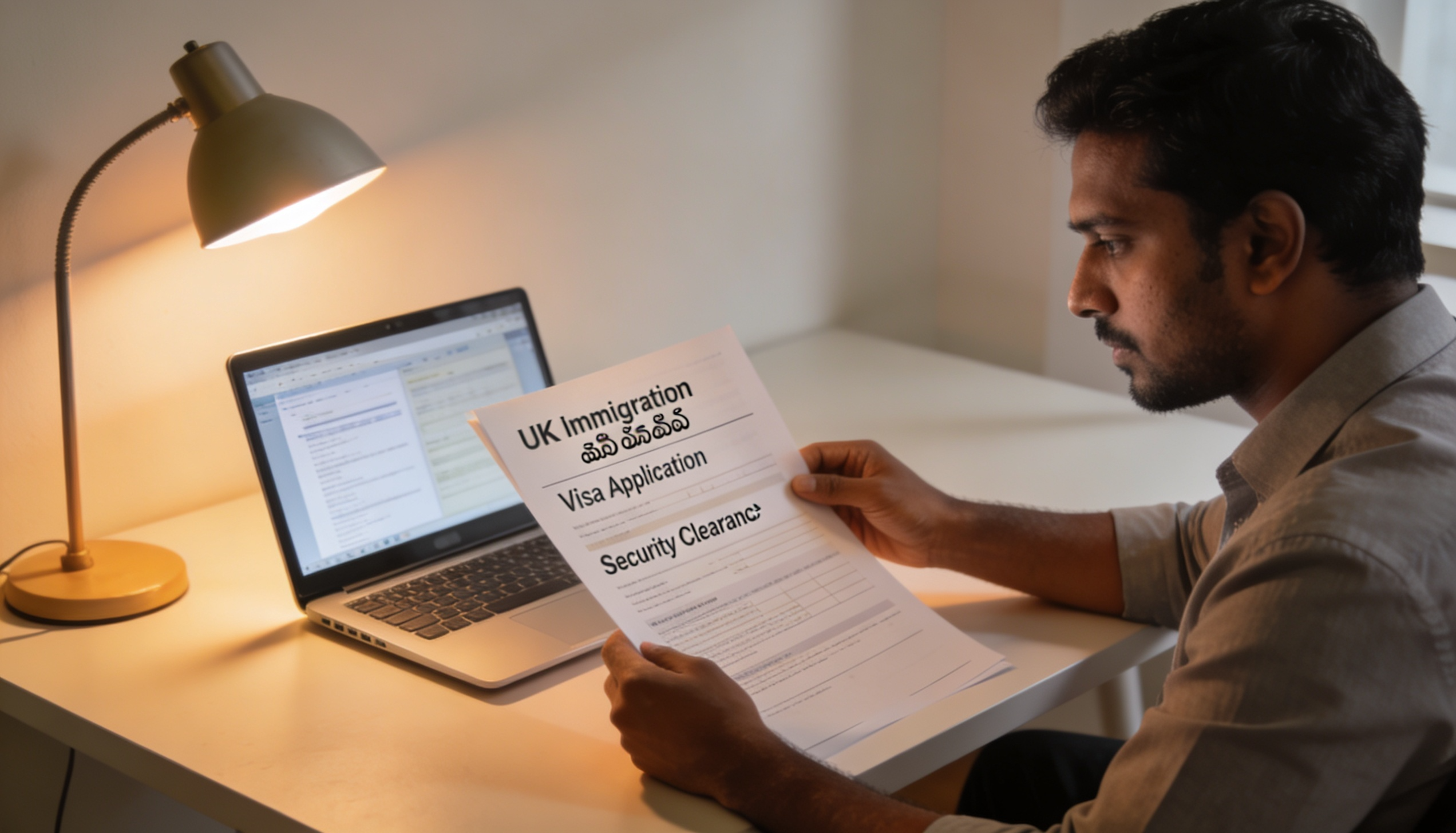
Understanding Tamil Translation for UK Immigration
Tamil translation plays a crucial role in the immigration process for individuals from Tamil-speaking regions seeking to relocate to the UK. As the UK continues to welcome a diverse range of immigrants, the importance of accurately translating documents into English cannot be overstated. The UK Home Office requires that all documents submitted as part of an immigration application be in English or accompanied by a certified translation. This ensures that the information is understood clearly and accurately by immigration officials, which can significantly impact the outcome of an application.
The UK immigration system is complex, with various visa categories, each having specific requirements. For Tamil speakers, this means that any documents such as birth certificates, marriage certificates, educational qualifications, and other legal documents must be translated into English. The translation must be precise, as any errors or omissions can lead to delays, rejections, or even legal complications. Understanding the nuances of both the Tamil and English languages is essential for translators to convey the correct meaning and context. This is particularly important in legal and official documents, where the stakes are high.
Moreover, the UK immigration process includes several stages, such as visa applications, appeals, and residency applications. Each of these stages may require different sets of documents, necessitating multiple translations. For instance, a student visa application may require educational transcripts and proof of financial stability, while a family reunion visa may need marriage certificates and proof of relationship. Therefore, having a reliable Tamil translation service is vital for ensuring that all documents meet the Home Office’s requirements and are presented in a professional manner.
Types of Tamil Translations Required for UK Immigration
When applying for UK immigration, several types of Tamil translations may be required, depending on the specific visa category and the documents involved. Understanding these requirements can help applicants prepare their submissions more effectively.
- Tamil Translation for Visa Applications: Visa applications often require a comprehensive set of documents, including personal identification, financial statements, and educational qualifications. Each of these documents must be translated accurately to reflect the original content. For example, a birth certificate must not only be translated but also formatted to match the original layout, as this can be crucial for verification processes.
- Tamil Translation for Home Office Documentation: The Home Office may request additional documents during the immigration process, such as police clearance certificates or medical reports. These documents also require precise translations. A police clearance certificate, for instance, must convey the applicant’s criminal history, if any, in a clear and unambiguous manner.
- Tamil UKVI Translation Specifics: The UK Visas and Immigration (UKVI) department has specific guidelines for translations. All translations must be certified, meaning they come with a declaration from the translator or translation agency confirming that the translation is accurate and complete. This certification is particularly important for legal documents, as it assures the Home Office of the translation’s authenticity.
In summary, applicants must ensure that all necessary documents are translated into English by certified professionals who understand both the Tamil language and the specific requirements set forth by UK immigration authorities. This attention to detail can greatly enhance the chances of a successful application.
Choosing the Right Tamil Translation Service
Selecting the right Tamil translation service is critical for ensuring that your immigration documents are accurately translated and meet the necessary legal standards. Here are key criteria to consider when choosing a certified translator:
- Certification and Accreditation: Ensure that the translation service is certified and recognized by the UK Home Office. This is essential for the acceptance of your documents. Look for translators who are members of professional bodies, such as the Association of Translation Companies (ATC) or the Institute of Translation and Interpreting (ITI).
- Experience with Immigration Documents: Choose a translator or agency that specializes in immigration-related translations. They should have a proven track record of handling documents such as birth certificates, marriage certificates, and educational qualifications. Their familiarity with the specific requirements of the UKVI can make a significant difference.
- Quality Assurance Processes: A reputable translation service should have quality assurance processes in place, including proofreading and editing by a second translator. This helps to minimize errors and ensures that the final document is of the highest quality.
- Client Testimonials and Reviews: Look for reviews and testimonials from previous clients. Positive feedback can provide insights into the reliability and professionalism of the translation service. Additionally, consider asking for case studies or examples of previous work related to immigration translations.
- Turnaround Time and Availability: Immigration processes often have strict deadlines. Ensure that the translation service can meet your timeline without compromising quality. Ask about their typical turnaround times for various document types and their ability to handle urgent requests.
By carefully evaluating these criteria, applicants can select a Tamil translation service that not only meets their needs but also enhances their chances of a successful immigration application.
The Process of Tamil Translation for Immigration
Understanding the process of Tamil translation for immigration can help applicants navigate the requirements more efficiently. Here’s a step-by-step guide:
- Document Preparation: Gather all necessary documents that require translation. This may include birth certificates, marriage certificates, educational transcripts, and any other relevant paperwork. Ensure that you have the original documents as well as any copies that may be required.
- Selecting a Translation Service: Research and choose a certified translation service that meets the criteria outlined earlier. Contact them to discuss your specific needs and obtain a quote for the services required.
- Submitting Documents for Translation: Once you have selected a service, submit your documents for translation. Provide any specific instructions or context that may help the translator understand the nuances of the documents.
- Translation and Certification: The translation service will translate the documents and provide a certification statement confirming the accuracy of the translation. This certification is crucial for immigration purposes.
- Review and Approval: Review the translated documents to ensure that all information is accurate and complete. If there are any discrepancies, communicate with the translation service to address them promptly.
- Submission to Immigration Authorities: Once you are satisfied with the translations, include them with your immigration application. Ensure that all documents are presented in the required format and comply with the Home Office guidelines.
Common documents requiring translation include:
- Birth certificates
- Marriage certificates
- Educational transcripts
- Police clearance certificates
- Medical reports
The timeline for translation services can vary based on the complexity and length of the documents. Typically, applicants can expect translations to be completed within 3-5 business days, although urgent requests may be accommodated for an additional fee.
Cost of Tamil Translation Services for Immigration
The cost of Tamil translation services for immigration can vary widely based on several factors. Understanding these factors can help applicants budget effectively for their translation needs:
- Document Type: The type of document being translated can significantly affect the cost. For example, a simple birth certificate may cost less to translate than a complex legal document or a lengthy educational transcript.
- Length and Complexity: Longer documents or those requiring specialized knowledge (such as legal or medical terminology) may incur higher fees due to the additional time and expertise required for accurate translation.
- Certification Requirements: Certified translations typically cost more than non-certified translations due to the added assurance of accuracy and compliance with legal standards. Ensure that the service you choose provides certification as part of their offerings.
- Urgency: If you require expedited services, be prepared to pay a premium. Many translation services offer rush options for urgent requests, which can significantly increase the overall cost.
Typical price ranges for certified translations can vary, but applicants should expect to pay anywhere from £30 to £100 per document, depending on the factors mentioned above. It’s advisable to obtain quotes from multiple services to compare prices and services offered.
When budgeting for immigration-related translations, consider not only the direct costs of translation but also any potential additional fees for expedited services or extra copies of translated documents. Planning ahead can help ensure that you have all necessary translations completed in a timely manner.
Common Challenges in Tamil Translation for Immigration
Translating documents for immigration can present several challenges, particularly when dealing with the Tamil language. Understanding these challenges can help applicants avoid common pitfalls:
- Language Nuances and Cultural Context: Tamil is a rich language with various dialects and cultural nuances. Translators must be aware of these subtleties to ensure that the translation accurately reflects the intended meaning. For instance, idiomatic expressions or culturally specific references may not have direct equivalents in English, requiring careful consideration and adaptation.
- Legal Terminology in Translations: Legal documents often contain specialized terminology that can be difficult to translate accurately. Translators must have a strong understanding of legal concepts in both languages to ensure that the translations are not only accurate but also legally sound.
- Avoiding Common Pitfalls in Document Translation: Common mistakes in document translation include omitting critical information, mistranslating terms, or failing to format documents correctly. These errors can lead to significant issues during the immigration process, including delays or rejections. It is essential to choose a qualified translator who is experienced in handling immigration documents to minimize these risks.
By being aware of these challenges, applicants can take proactive steps to ensure that their translations are accurate and meet the necessary requirements for UK immigration.
Frequently Asked Questions about Tamil Translation for UK Immigration
What documents need Tamil translation for UK immigration?
All official documents including birth certificates, marriage certificates, and educational qualifications require Tamil translation for UK immigration. These documents must be translated into English and certified to ensure compliance with Home Office requirements.
How long does Tamil translation take?
Typically, Tamil translation takes around 3-5 business days depending on the document length and complexity. However, urgent requests can be accommodated for an additional fee, allowing for faster turnaround times.
Is a certified translation necessary for all documents?
Yes, a certified translation is necessary for all documents submitted for immigration purposes. This ensures that the translations are accurate and accepted by the Home Office, which is crucial for the success of the application.
Where to find reliable Tamil translation services?
Reliable Tamil translation services can be found by looking for Home Office approved translators or certified translation agencies. It is advisable to check their credentials and experience with immigration-related translations to ensure quality and compliance.
What are the consequences of poor translation?
Poor translation can lead to delays in immigration processing, potential rejections, and legal issues. It is essential to choose a qualified translator to avoid these consequences and ensure that all documents are accurately represented.