Understanding Gujarati Certified Translation
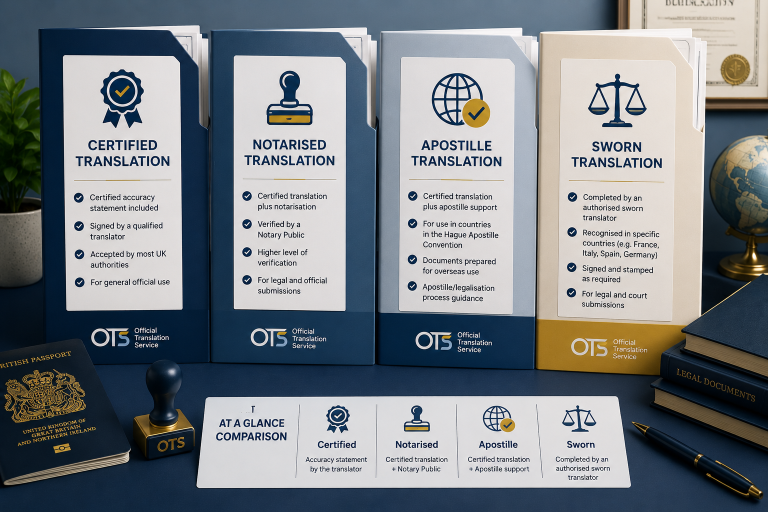
Gujarati certified translation means translating a Gujarati document into English, or vice versa, and supplying a signed certification statement when the receiving organisation requires one. Certification records responsibility for the translation’s accuracy; it does not guarantee acceptance by every authority.
The importance of Gujarati certified translation extends beyond mere language conversion. It plays a vital role in facilitating communication between individuals from different linguistic backgrounds, particularly in a multicultural society like the UK. Gujarati, being one of the most spoken languages in the Indian diaspora, is frequently encountered in various sectors, including healthcare, education, and legal services. A certified translation ensures that the nuances and context of the original document are preserved, which is essential for maintaining the integrity of the information being conveyed.
Furthermore, certified translations help prevent misunderstandings that could arise from inaccuracies in translation. For example, a misinterpreted legal term could lead to significant consequences in court. Thus, the role of a certified translator becomes paramount, as they are not only linguists but also cultural mediators who understand the implications of the documents they translate. In summary, Gujarati certified translation is a critical service that supports legal, educational, and personal endeavors, ensuring that individuals can navigate official processes with confidence.
What Makes a Translation ‘Certified’?
A translation is deemed ‘certified’ when it meets specific criteria set forth by various authorities and organizations. The primary requirement is that the translation must be done by a qualified professional translator who has the necessary linguistic expertise and cultural knowledge. This professional must provide a signed statement, also known as a certificate of accuracy, which attests to the fidelity of the translation. The certificate typically includes the translator’s name, qualifications, contact information, and a declaration that the translation is a true and accurate representation of the original document.
In the UK, certification requirements vary by recipient. For immigration, check the current guidance for the specific visa or immigration route; where a required document is not in English or Welsh, the route may specify certification or independent-verification details.
The UK does not impose one universal accreditation for every certified translation. Professional qualifications or memberships such as ITI or CIOL can be useful quality signals, but the provider still needs the Gujarati-English expertise and document knowledge appropriate to the job.
In summary, the certification process involves a combination of professional qualifications, adherence to legal standards, and the provision of a signed statement of accuracy. This rigorous approach ensures that certified translations maintain the highest level of integrity and reliability, making them indispensable in various official contexts.
Gujarati Translation Meaning in the UK
In the UK, the Gujarati language holds significant cultural and linguistic importance, particularly within the Indian community. Gujarati is spoken by over 400,000 people in the UK, making it one of the most prevalent languages in the country. This demographic includes a rich tapestry of individuals who contribute to various sectors, including business, education, and healthcare. Understanding the meaning of Gujarati translation in this context involves recognizing its role in bridging communication gaps and facilitating access to essential services.
Common use cases for Gujarati translations include legal documents, medical records, and educational materials. For example, a Gujarati-speaking patient may require translated medical documents to ensure they understand their diagnosis and treatment options fully. Similarly, students from Gujarati-speaking backgrounds may need translations of academic transcripts or certificates when applying for further education in the UK.
The cultural significance of Gujarati extends beyond mere communication; it encompasses a sense of identity and belonging for many individuals. As such, the demand for high-quality Gujarati translations is on the rise, with businesses and organizations seeking to cater to this demographic. This trend highlights the need for professional translation services that can provide accurate and culturally sensitive translations, further emphasizing the importance of certified translations in maintaining the integrity of the original documents.
Moreover, as the UK continues to embrace multiculturalism, the relevance of Gujarati translation is likely to grow. Organizations that recognize this need and invest in certified translation services will not only enhance their communication strategies but also foster inclusivity and accessibility for Gujarati speakers. In conclusion, the meaning of Gujarati translation in the UK is deeply rooted in cultural identity, community engagement, and the necessity for clear communication across diverse sectors.
Requirements for Gujarati Certified Translation in the UK
Obtaining a Gujarati certified translation in the UK involves adhering to specific requirements set by various authorities. These requirements ensure that the translation is recognized as valid and accurate for official use. Firstly, individuals seeking certified translations must provide the original documents that need to be translated. This could include birth certificates, marriage licenses, academic transcripts, or any other legal documents.
Provide a clear copy of the complete document and identify where it will be submitted. The provider should have suitable Gujarati-English and subject expertise and be able to supply the certification details required by the recipient.
Another important requirement is that the translation must be accompanied by a signed statement from the translator, certifying the accuracy and completeness of the translation. This statement should include the translator’s name, qualifications, and contact information. Some authorities may also require the translator to provide a copy of their accreditation certificate along with the translation.
Furthermore, it is advisable to check the specific requirements of the institution or authority requesting the certified translation, as these can vary. For example, the UK Home Office has specific guidelines for immigration-related documents, and educational institutions may have their own criteria for academic transcripts. Understanding these requirements is crucial to ensure that the certified translation meets the necessary standards for acceptance.
In summary, the requirements for obtaining a Gujarati certified translation in the UK include providing original documents, ensuring the translator’s accreditation, and obtaining a signed statement of accuracy. By adhering to these guidelines, individuals can ensure that their translations are recognized and accepted by the relevant authorities.
The Process of Obtaining a Gujarati Certified Translation
The process of obtaining a Gujarati certified translation involves several key steps that ensure the translation meets the required standards for official use. Here’s a step-by-step guide to help you navigate this process:
- Identify the Documents: Start by determining which documents need to be translated. This could include legal documents, medical records, or academic transcripts.
- Choose a Qualified Translator: Look for a professional translator or translation service that specializes in Gujarati certified translation. Ensure that they have the necessary accreditations from recognized bodies.
- Request a Quote: Contact the translator or service provider to request a quote for the translation. Provide details about the documents, including the length and complexity, to receive an accurate estimate.
- Submit Original Documents: Once you’ve agreed on the terms, submit the original documents that require translation. This can often be done electronically, depending on the service provider.
- Review the Translation: After the translation is completed, review the document to ensure that it accurately reflects the original content. If necessary, discuss any concerns with the translator.
- Obtain the Certification: Ensure that the translated document is accompanied by a signed statement from the translator, certifying its accuracy. This is crucial for the translation to be recognized as certified.
- Receive the Final Document: Once you have the certified translation and the accompanying statement, you can submit it to the relevant authorities or institutions.
Choosing the right translation service provider is essential to ensure a smooth process. Look for reviews and testimonials from previous clients to gauge the quality of their services. Additionally, consider their turnaround time and customer support, as these factors can significantly impact your experience.
In conclusion, obtaining a Gujarati certified translation involves a systematic approach that includes identifying the documents, selecting a qualified translator, and ensuring the translation meets the necessary certification standards. By following these steps, individuals can ensure that their translations are accurate and accepted by the relevant authorities.
Common Applications of Gujarati Certified Translations
Gujarati certified translations have a wide range of applications across various sectors, reflecting the diverse needs of individuals and organizations. Some of the most common applications include:
- Legal Documents: Certified translations are often required for legal documents such as contracts, court orders, and affidavits. Accurate translations are crucial in legal contexts to avoid misunderstandings that could lead to disputes.
- Immigration Papers: Individuals applying for visas or residency in the UK must provide certified translations of their personal documents, including birth certificates, marriage licenses, and police clearance certificates. These translations ensure compliance with immigration regulations.
- Educational Certificates: Students from Gujarati-speaking backgrounds may require certified translations of their academic transcripts and diplomas when applying for further education in the UK. Educational institutions often mandate certified translations to verify the authenticity of the documents.
- Medical Translations: In healthcare settings, certified translations of medical records, prescriptions, and patient information are essential for ensuring that healthcare providers understand the patient’s medical history and needs.
- Business Translations: Companies operating in multicultural environments may require certified translations of business documents, contracts, and marketing materials to effectively communicate with Gujarati-speaking clients and partners.
The importance of certified translations in these applications cannot be overstated. They not only facilitate clear communication but also ensure that the documents are legally recognized and accepted by relevant authorities. Inaccurate translations in these contexts can lead to serious consequences, including legal issues, visa denials, or academic rejections.
In summary, Gujarati certified translations are essential in various sectors, including legal, immigration, education, healthcare, and business. Their role in ensuring accurate communication and compliance with regulations highlights the need for professional translation services that specialize in certified translations.
Choosing the Right Translation Service in the UK
Selecting the right translation service for Gujarati certified translation is a critical decision that can significantly impact the quality and reliability of the translation. Here are some key factors to consider when choosing a translation service:
- Qualifications and Experience: Look for translation services that employ qualified translators with experience in Gujarati certified translation. Check their credentials and ensure they are accredited by recognized professional bodies.
- Specialization: Choose a translation service that specializes in the type of documents you need translated, whether legal, medical, or academic. Specialized translators are more likely to understand the specific terminology and context required.
- Client Reviews and Testimonials: Research client reviews and testimonials to gauge the quality of the service. Positive feedback from previous clients can provide insight into the reliability and professionalism of the translation service.
- Turnaround Time: Consider the turnaround time offered by the translation service. Ensure that they can meet your deadlines without compromising the quality of the translation.
- Customer Support: Good customer support is essential for addressing any questions or concerns during the translation process. Choose a service that offers clear communication and responsive support.
By carefully evaluating these factors, individuals and organizations can choose a translation service that meets their needs and ensures high-quality Gujarati certified translations. Investing in a reputable translation service not only enhances the accuracy of the translations but also provides peace of mind when dealing with important documents.
Conclusion: The Importance of Gujarati Certified Translation
In conclusion, Gujarati certified translation plays a vital role in facilitating communication and ensuring the accuracy of important documents in various sectors, including legal, immigration, education, and healthcare. The significance of certified translations cannot be overstated, as they are often required for official use and must adhere to specific standards set by authorities.
As the UK continues to embrace multiculturalism, the demand for high-quality Gujarati translations is likely to grow. Individuals and organizations must recognize the importance of seeking professional translation services that specialize in certified translations to ensure that their documents are accurately translated and legally recognized.
By investing in certified translation services, individuals can navigate official processes with confidence, knowing that their documents are in capable hands. Whether for personal, legal, or business purposes, the importance of Gujarati certified translation cannot be overlooked. It is a critical service that supports effective communication and fosters inclusivity in a diverse society.
Frequently Asked Questions
What is Gujarati certified translation?
A certified translation is an official translation that comes with a signed statement from the translator, affirming its accuracy and completeness.
What are the requirements for Gujarati certified translation in the UK?
Provide a clear copy of the complete document and check the receiving organisation’s certification requirements. No single UK accreditation is mandatory for every certified translation.
Why is certified translation important?
It records responsibility for the translation’s accuracy and can satisfy a recipient’s document requirements. Legal recognition and acceptance depend on the receiving organisation.
How long does it take to get a Gujarati certified translation?
Turnaround depends on document length, language direction, formatting, legibility and certification requirements. Send the complete file and deadline for a confirmed timeframe.
Can I get a certified translation online?
Yes, many translation services offer online certified translation options, allowing you to submit documents electronically and receive translations via email.
For document-specific support, see our Gujarati certified translation service or send the document online.