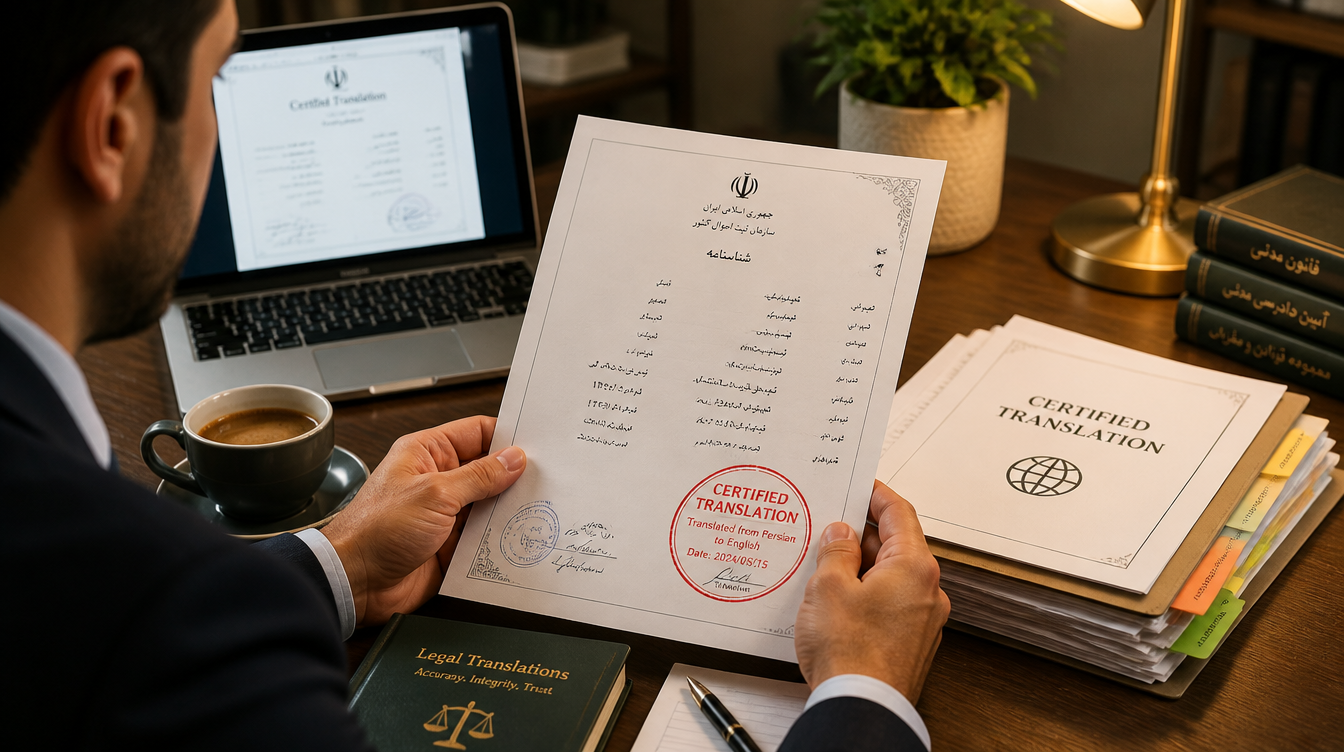
Understanding Farsi Certified Translation
Farsi certified translation refers to the process of translating documents into Farsi (Persian) by a qualified translator who is officially recognized for their expertise. This type of translation is crucial in various legal and official contexts, ensuring that documents are accurately conveyed in a language that is understood by all parties involved. The certification serves as a guarantee that the translation is a true and accurate representation of the original document, which is particularly important in legal matters, immigration processes, and academic applications.
The importance of Farsi certified translation in the UK cannot be overstated. As the UK hosts a significant Persian-speaking population, many individuals and organizations require certified translations for essential documents such as birth certificates, marriage licenses, legal contracts, and academic records. These translations must meet specific standards set by authorities to be accepted in official proceedings. Without certified translations, individuals may face challenges in legal matters, immigration applications, or educational pursuits, as unverified translations may not be recognized.
Furthermore, certified translations must adhere to strict guidelines, ensuring that the translated document maintains the same meaning, tone, and context as the original. This is particularly vital in legal contexts where even minor discrepancies can lead to misunderstandings or legal disputes. Therefore, understanding the nuances of Farsi and the requirements for certified translations is essential for anyone needing these services in the UK.
What Is Farsi Translation?
The Farsi language, also known as Persian, is an Indo-European language primarily spoken in Iran, Afghanistan, and Tajikistan. It boasts a rich literary history and is known for its poetic and expressive nature. Farsi has a unique script and a complex grammatical structure, which can pose challenges for translation. In the UK, Farsi translation plays a significant role not only in facilitating communication but also in preserving cultural heritage.
Culturally, Farsi translation is essential for fostering understanding and connection among diverse communities. As the UK becomes increasingly multicultural, the demand for Farsi translation services has grown. This includes translating literature, historical documents, and contemporary media, which helps bridge cultural gaps and promote inclusivity. For instance, Farsi translations of classic Persian poetry or modern literature allow English-speaking audiences to appreciate the depth and beauty of Persian culture.
Moreover, Farsi translation is vital in various sectors, including education, healthcare, and legal services. In educational settings, accurate translations of academic materials ensure that Farsi-speaking students can access the same resources as their peers. In healthcare, translated medical documents can significantly impact patient care and understanding. Thus, the cultural significance of Farsi translation extends beyond mere words; it encompasses the essence of communication and understanding in a diverse society.
Requirements for Farsi Certified Translation in the UK
Obtaining a Farsi certified translation in the UK involves specific requirements that must be met to ensure the translation’s validity. Firstly, the translator must be certified, which typically means they have undergone formal training and possess the necessary qualifications to translate legal and official documents. Many certified translators are members of professional organizations, such as the Institute of Translation and Interpreting (ITI) or the Chartered Institute of Linguists (CIOL), which further validates their expertise.
In addition to the translator’s qualifications, certain documentation is required for certification. This often includes:
- A signed statement of accuracy from the translator, confirming that the translation is a true and complete representation of the original document.
- A copy of the original document being translated, which serves as a reference for the translator.
- Details about the purpose of the translation, as different contexts may have varying requirements.
Furthermore, the certified translation must be formatted correctly, often including the translator’s contact information and certification details. This ensures that the translation can be verified if needed, particularly in legal or official contexts. It is essential to check with the relevant authority or institution regarding their specific requirements for certified translations, as these can vary significantly.
The Process of Obtaining a Farsi Certified Translation
The process of obtaining a Farsi certified translation typically involves several key steps to ensure accuracy and compliance with legal standards. Here’s a breakdown of the process:
- Identify the Need for Translation: Determine which documents require Farsi certified translation. Common documents include legal contracts, academic transcripts, and immigration paperwork.
- Choose a Qualified Translator: Research and select a certified translator specializing in Farsi. Look for credentials, experience, and reviews from previous clients to ensure quality.
- Submit the Original Document: Provide the translator with a clear copy of the original document. Ensure that all pages are included, as incomplete documents can lead to inaccuracies.
- Review the Translation: Once the translation is completed, review it for accuracy. If possible, have a second translator or a native Farsi speaker verify the translation.
- Receive Certification: The translator will provide a signed statement of accuracy along with the translated document. This certification is crucial for the translation to be accepted by authorities.
- Submit the Translated Document: Use the certified translation for its intended purpose, whether for legal proceedings, academic applications, or immigration purposes.
When choosing a certified translator, consider their expertise in the specific field related to your documents. For instance, legal documents may require a translator with legal knowledge, while academic transcripts may need someone familiar with educational terminology. Additionally, ensure that the translator is familiar with the specific requirements of the institution or authority requesting the translation.
Common Uses of Farsi Certified Translation
Farsi certified translation is utilized across various sectors, reflecting the diverse needs of individuals and organizations. Some of the most common uses include:
- Legal Documents: Many legal proceedings require certified translations of documents such as contracts, court orders, and affidavits. Accurate translations are essential to ensure that all parties understand the terms and implications of legal agreements.
- Academic Transcripts: Students applying to universities or colleges may need their academic records translated into Farsi. Certified translations ensure that the educational qualifications are accurately represented, facilitating admission processes.
- Immigration Paperwork: Individuals seeking to immigrate to the UK often need certified translations of personal documents, including birth certificates, marriage licenses, and police clearance certificates. These translations are crucial for visa applications and residency permits.
In addition to these common uses, Farsi certified translation is also important in healthcare settings, where accurate communication can significantly impact patient care. Medical records, consent forms, and patient information must be translated to ensure that Farsi-speaking patients receive appropriate care and understand their treatment options.
Challenges in Farsi Translation
Farsi translation presents unique challenges that can complicate the translation process. One of the primary challenges is the complexity of Farsi grammar and syntax. Farsi has a different sentence structure compared to English, which can lead to potential misunderstandings if not translated accurately. For example, the placement of verbs and adjectives can alter the meaning of a sentence, making it essential for translators to have a deep understanding of both languages.
Another significant challenge lies in the cultural nuances embedded within the Farsi language. Certain phrases or idioms may not have direct equivalents in English, requiring the translator to find creative ways to convey the intended meaning without losing the essence of the original text. This is particularly important in literary translations, where the beauty and rhythm of the language must be preserved.
Additionally, the use of formal versus informal language in Farsi can complicate translations. Different contexts may require different levels of formality, and the translator must be adept at recognizing these distinctions to ensure that the translation is appropriate for its intended audience. Overall, the challenges in Farsi translation underscore the importance of working with qualified and experienced translators who can navigate these complexities effectively.
Choosing the Right Translation Service
Selecting the right translation service for Farsi certified translation is crucial to ensuring quality and accuracy. When considering a translation service, several factors should be taken into account:
- Qualifications and Experience: Look for services that employ certified translators with relevant experience in Farsi translation. Check their credentials and previous work to gauge their expertise.
- Specialization: Different translation services may specialize in specific fields, such as legal, medical, or academic translation. Choose a service that aligns with your specific needs to ensure the best results.
- Client Reviews and Testimonials: Research client feedback and testimonials to assess the quality of the service. Positive reviews can provide insight into the reliability and professionalism of the service.
- Turnaround Time: Consider the service’s turnaround time, especially if you have urgent translation needs. Ensure that they can meet your deadlines without compromising quality.
- Cost: While cost should not be the sole determining factor, it is essential to find a service that offers competitive pricing without sacrificing quality. Request quotes from multiple services to compare.
Ultimately, the right translation service will not only provide accurate translations but also offer excellent customer support and clear communication throughout the process. Engaging with a reputable service can significantly enhance your experience and ensure that your Farsi certified translation meets all necessary requirements.
Frequently Asked Questions
What is Farsi certified translation?
It is a translation of documents into Farsi that is officially recognized.
What are the requirements for Farsi certified translation in the UK?
Translators must be certified and provide a signed statement of accuracy.
How long does it take to get a Farsi certified translation?
Typically, it can take from a few days to a week depending on the document length.
What types of documents require Farsi certified translation?
Legal documents, academic records, and immigration papers are common.
Can I get a Farsi translation without certification?
Yes, but it may not be accepted for official purposes.