Understanding Property Document Translation for UK Visa
Property document translation converts property-related evidence from one language into another while preserving the information shown in the source document. For UK visa applications, the exact evidence required depends on the immigration route. Where a supporting document is required and is not in English or Welsh, follow the translation instructions for that route rather than assuming every application needs property evidence.
Some applications use property ownership, tenancy or accommodation evidence, while others do not. If property documents form part of the required or relevant evidence for your route, the translation should make names, addresses, dates, ownership details, financial figures and legal terms clear enough for the decision-maker to compare with the original.
Moreover, the process of translating property documents involves not only linguistic skills but also an understanding of legal terminology and cultural nuances. This complexity necessitates the involvement of professional translation services that specialize in immigration document translation and legal documentation. By utilizing expert translators, applicants can ensure that their property documents are accurately translated, which is crucial for a successful visa application.
Types of Property Documents That Need Translation
When applying for a UK visa, several types of property documents may require translation. Understanding these documents can help applicants prepare their visa applications more effectively. Here are the primary types of property documents that typically need translation:
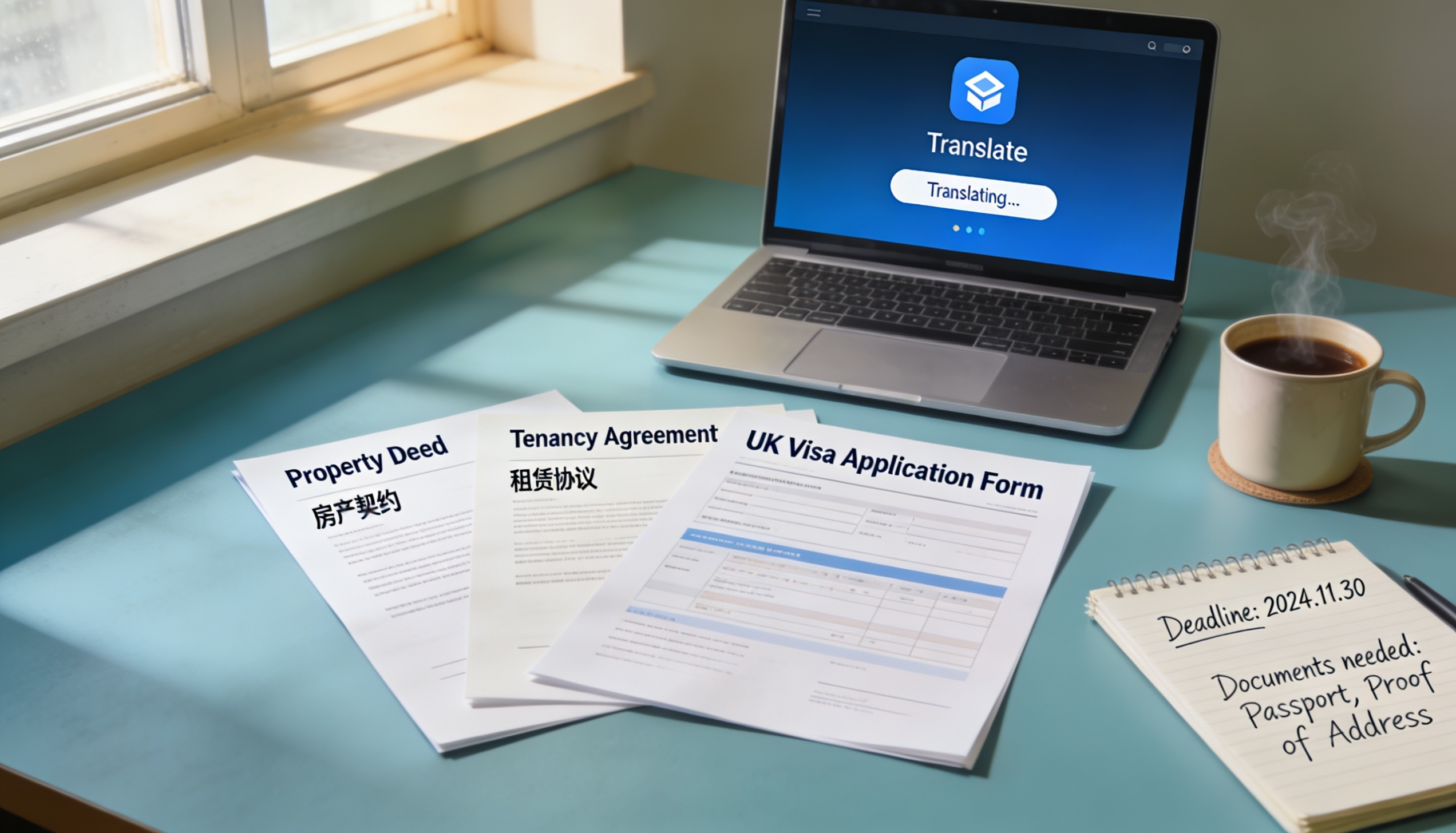
- Property Deeds and Titles: These documents establish ownership of a property and outline the rights and responsibilities associated with it. They often contain legal jargon and specific details about the property, such as its location, size, and any encumbrances. Accurate translation of property deeds is essential to demonstrate ownership and the legitimacy of the applicant’s claims.
- Rental Agreements: If an applicant is renting a property, the rental agreement serves as proof of residency. This document outlines the terms of the lease, including the duration, rent amount, and responsibilities of both the tenant and the landlord. Translating rental agreements is crucial for applicants to show their living arrangements in the UK or their ties to their home country.
- Mortgage Documents: For those who own property through a mortgage, documents related to the mortgage agreement may also need translation. These documents can include loan agreements, payment schedules, and statements from financial institutions. Accurate translation is vital to demonstrate financial stability and the applicant’s ability to meet their financial obligations.
In addition to these primary documents, other property-related paperwork, such as tax assessments, property surveys, and utility bills, may also require translation depending on the specific requirements of the visa application. It is essential for applicants to consult with their immigration advisors or legal representatives to identify all necessary documents that need translation.
Why Accurate Translation is Crucial for UKVI
Accurate translation of property documents is crucial for several reasons, particularly when dealing with the UKVI. The consequences of inaccurate translations can be severe, potentially leading to visa application rejections or delays. Here are some key reasons why precision in translation is essential:
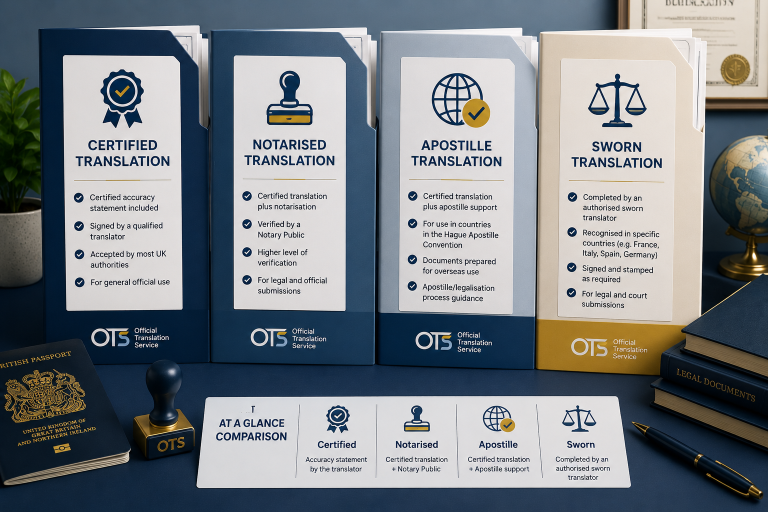
- Route-specific requirements: Immigration translation requirements should be checked against the guidance for the visa route. Where a certified translation is required, include the accuracy confirmation and translator details specified by that guidance.
- Legal Implications: Property documents often contain legal terminology and implications that must be accurately conveyed in the translation. Misinterpretations or omissions can lead to misunderstandings about the applicant’s legal standing, which could jeopardize their visa application.
- Clear evidence: A complete, accurate translation helps the decision-maker understand the property document without guessing at names, figures, legal terms or handwritten notes.
If property evidence is relevant to your application, use a complete and accurate property document translation and check the certification requirements for your specific visa route before submission.
Choosing the Right Translation Service
When it comes to property document translation for UK visa applications, selecting the right translation service is paramount. The quality of the translation can directly impact the success of the visa application. Here are some qualities to look for when choosing a translation service:
- Certification capability: Ensure the provider can supply the certification statement and verification details required by the relevant immigration guidance.
- Experience with Legal Documents: Look for a translation service that has experience specifically with legal and immigration documents. Translating property documents requires a deep understanding of legal terminology and the implications of the content.
- Language and subject expertise: Choose a provider with appropriate command of the language pair and experience with property, legal and financial terminology.
- Turnaround Time: Consider the timeline for translation services. Visa applications often have strict deadlines, so it is important to choose a service that can deliver translations promptly without compromising quality.
- Customer Support: A responsive customer service team can make a significant difference in the translation process. Look for a service that offers clear communication and support throughout the translation journey.
Home Office translation rules are tied to the application route and the documents being submitted. Check the current route guidance and make sure the translation contains the required accuracy confirmation and verification details where certification is required.
The Process of Translating Property Documents
The process of translating property documents involves several key steps to ensure accuracy and compliance with UKVI requirements. Understanding this process can help applicants better navigate their visa applications. Here are the typical steps involved:
- Document Collection: Gather all necessary property documents that require translation. Ensure that the originals are available, as these will be needed for accurate translation.
- Choosing a Translation Service: Select a certified translation service that specializes in legal and immigration document translations. Provide them with the documents and any specific instructions regarding the translation.
- Translation Process: The translation service will assign the documents to a qualified translator who will begin the translation process. This may involve translating the text, formatting the document, and ensuring that all legal terminology is accurately conveyed.
- Quality Assurance: After the initial translation, the document typically undergoes a quality assurance process. This may include proofreading and editing by a second translator to ensure accuracy and consistency.
- Certification: Once the translation is complete, the service will provide a certification statement attesting to the accuracy of the translation. This certification is crucial for UKVI compliance.
- Delivery: The translated documents are then delivered to the applicant, either digitally or in hard copy, depending on the service agreement.
Turnaround depends on document length, language pair, legibility, formatting and certification requirements. Include your application deadline when sending the documents so availability can be checked.
Common Challenges in Property Document Translation
Translating property documents can present several challenges, particularly due to the legal nature of the content and cultural differences. Here are some common challenges that translators may encounter:
- Legal Terminology Issues: Property documents often contain specific legal terms that may not have direct equivalents in other languages. Translators must have a strong understanding of both legal systems to accurately convey the meaning of these terms.
- Cultural Nuances in Translation: Different cultures may have varying concepts of property ownership, rental agreements, and legal obligations. Translators must be aware of these differences to provide contextually accurate translations.
- Formatting and Presentation: Maintaining the original formatting of property documents can be challenging, especially when translating into languages with different scripts or writing systems. Ensuring that the final document is both accurate and visually similar to the original is essential for credibility.
Overcoming these challenges requires skilled translators who are not only proficient in the languages involved but also possess a deep understanding of legal and cultural contexts. Working with a professional translation service that specializes in property document translation can help mitigate these challenges and ensure high-quality results.
Cost of Property Document Translation for UK Visa
The cost of translating property documents for UK visa applications can vary based on several factors. Understanding these factors can help applicants budget effectively for their translation needs. Here are some key elements that can influence translation costs:
- Document Length and Complexity: Longer and more complex documents typically require more time and expertise to translate, resulting in higher costs. For example, a detailed property deed may cost more to translate than a simple rental agreement.
- Language Pair: The languages involved in the translation can also affect pricing. Some language pairs may require specialized knowledge or expertise, leading to higher rates.
- Certification Requirements: Certified translations often come at a premium due to the additional steps involved in the certification process. Applicants should factor in these costs when budgeting for their translations.
- Turnaround Time: If expedited services are required, this can increase the overall cost. Applicants should communicate their timelines clearly to the translation service to understand any additional fees associated with rush orders.
Pricing depends on document length, language pair, complexity, formatting and certification requirements. See our current certified translation prices or submit the property documents for an exact quote.
Need Property Evidence Translated for a Visa Application?
For the translation service itself, use our property document translation service. If your file forms part of a wider visa evidence pack, you can also review our immigration document translation service.
Submit your documents for review and ordering once you have confirmed which evidence your visa route requires.
Frequently Asked Questions about Property Document Translation
What is property document translation for UK visa?
It is the translation of property-related evidence being used in a UK visa application, with the format and certification matched to the relevant immigration route.
Why is certified translation necessary for UK visas?
Where the route requires translated supporting documents, follow its certification instructions. A translation should not be assumed to guarantee the outcome of an application.
How long does it take to translate property documents?
Turnaround depends on document length, language pair, legibility, formatting and certification requirements.
Can I use a translation done by a friend or family member?
For formal immigration use, use a translation that meets the certification and verification requirements stated in the guidance for your visa route.
What types of property documents need to be translated?
Deeds, rental agreements, and mortgage documents. Any document relevant to property ownership or rental.