Mandarin Medical Translation UK: Reports and Healthcare Records
Mandarin medical report translation refers to the process of converting medical documents written in Mandarin Chinese into English. This type of translation is crucial in ensuring that healthcare providers, patients, and regulatory bodies can accurately understand medical histories, diagnoses, treatments, and other vital health information. The importance of accurate translations in healthcare cannot be overstated. Mistranslations can lead to misdiagnoses, inappropriate treatments, and even legal issues. For instance, a simple error in translating medication dosages could have serious consequences for a patient’s health.
Moreover, in a multicultural society like the UK, where many patients may not speak English as their first language, the demand for Mandarin medical report translations is on the rise. Healthcare providers must ensure that all patients receive the same standard of care, regardless of their language background. This is particularly vital in emergency situations, where timely and accurate communication can save lives. Therefore, investing in professional translation services is essential for healthcare institutions aiming to provide comprehensive care to their Mandarin-speaking patients.
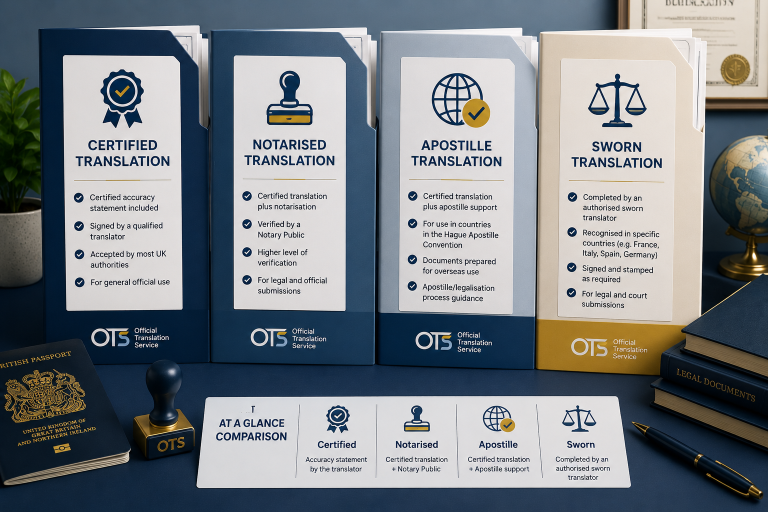
Why You Need a Certified Translation
Whether a Mandarin medical report needs certification depends on how and where the translated document will be used. Where certification is requested, the translation can be supplied with a statement confirming that it is complete and accurate together with the identifying details required by the receiving organisation.
A professional translation prepared for clinical understanding may have different requirements from a document being submitted to an authority, insurer or solicitor. Check the recipient’s instructions first so the correct translation and certification format can be agreed before work begins.
The Process of Translating a Mandarin Medical Report
The process of translating a Mandarin medical report involves several key steps to ensure accuracy and compliance with industry standards. Initially, the translator must thoroughly review the original document to understand its context, terminology, and any specific medical jargon. This is crucial, as medical terms can have different meanings in different languages.
Next, the translator will create a draft translation, paying close attention to detail and ensuring that all information is accurately conveyed. After the initial translation, a second translator or editor will typically review the document to catch any errors or inconsistencies. This step is vital for maintaining the integrity of the translation, especially in medical contexts where precision is paramount.
Common challenges faced during the translation process include dealing with complex medical terminology, idiomatic expressions that may not have direct equivalents in English, and ensuring cultural sensitivity. For instance, certain medical practices or beliefs prevalent in Mandarin-speaking cultures may not translate directly into English, requiring the translator to provide additional context or explanations. These challenges highlight the importance of using experienced translators who specialize in medical translations.
Mandarin Medical Reports for Official UK Submissions
If a Mandarin medical report is being used in an official UK application, check the instructions for that specific route to confirm whether a translation is needed and what certification information must accompany it. Requirements can differ according to the application and document purpose.
For example, if a Mandarin-speaking applicant submits a medical report that is not properly certified or contains errors, the Home Office may question the validity of the document. This could result in the applicant being asked to provide additional documentation or, in the worst-case scenario, being denied their visa altogether. Therefore, it is crucial for applicants to ensure that their medical reports are accurately translated and certified by a reputable translation service.
Certification and Submission Requirements
For visa or immigration use, follow the current instructions for the relevant application route. A translation intended for official submission should be complete and independently verifiable, with any certification wording and identifying information requested by the application guidance.
To ensure compliance with UKVI standards, individuals seeking translation services should look for translators who are experienced in medical translations and familiar with UKVI requirements. This includes understanding the necessary documentation and formats required for submission. By adhering to these guidelines, applicants can avoid potential pitfalls and ensure that their medical reports are accepted without issue.
Choosing the Right Translation Service
Selecting the right translation service is a critical step in the process of obtaining a Mandarin medical report translation. Factors to consider include the service’s experience in medical translations, the qualifications of their translators, and their reputation within the industry. It is advisable to choose a service that specializes in certified translations and has a proven track record of success.
Questions to ask potential translators include:
- What qualifications do your translators hold?
- Can you provide examples of previous medical translations?
- What is your process for ensuring accuracy and quality?
- How do you handle confidentiality and data protection?
By asking these questions and conducting thorough research, individuals can find a translation service that meets their needs and provides high-quality translations that comply with legal requirements.
Cost of Mandarin Medical Report Translation in the UK
The cost of translating a Mandarin medical report in the UK can vary significantly based on several factors. These include the length and complexity of the document, the urgency of the translation, and the specific requirements for certification. Generally, certified translations tend to be more expensive than non-certified ones due to the additional verification processes involved.
Typical price ranges for certified translations can vary, but individuals should expect to pay a premium for high-quality services. It is advisable to obtain quotes from multiple translation services to compare prices and ensure that they are receiving a fair rate. Additionally, be wary of services that offer significantly lower prices, as this may indicate a lack of quality or experience.
Quality Checks for Mandarin Medical Translations
Medical translations should be checked carefully against the source for patient names, dates, diagnoses, medicine names, dosages, measurements, test values, reference ranges and document identifiers. Tables, handwritten notes, stamps and signatures should also be accounted for where they are legible and relevant.
Where the report forms part of a larger medical record, provide the connected pages when they help establish terminology, chronology or abbreviations. Consistent terminology across related reports makes the translated record easier to review.
For commercial medical-document support, see our medical translation services page or the dedicated medical report translation service.
Frequently Asked Questions
What is a mandarin medical report translation?
A translation of medical documents from Mandarin to English, ensuring accuracy and compliance.
Why is a certified translation necessary for medical reports?
It meets legal requirements for official submissions, ensuring acceptance by authorities.
How long does it take to translate a mandarin medical report?
Turnaround depends on document length, medical complexity, language direction, formatting, certification requirements and deadline. Confirm timing after the complete file has been reviewed.
What are the risks of using non-certified translations?
Non-certified translations may lead to rejections, delays, or legal issues in official processes.
Can I translate my own mandarin medical report?
For official use, follow the receiving organisation’s instructions about who may prepare the translation and what certification details are required. For clinical or personal use, the appropriate format may differ.