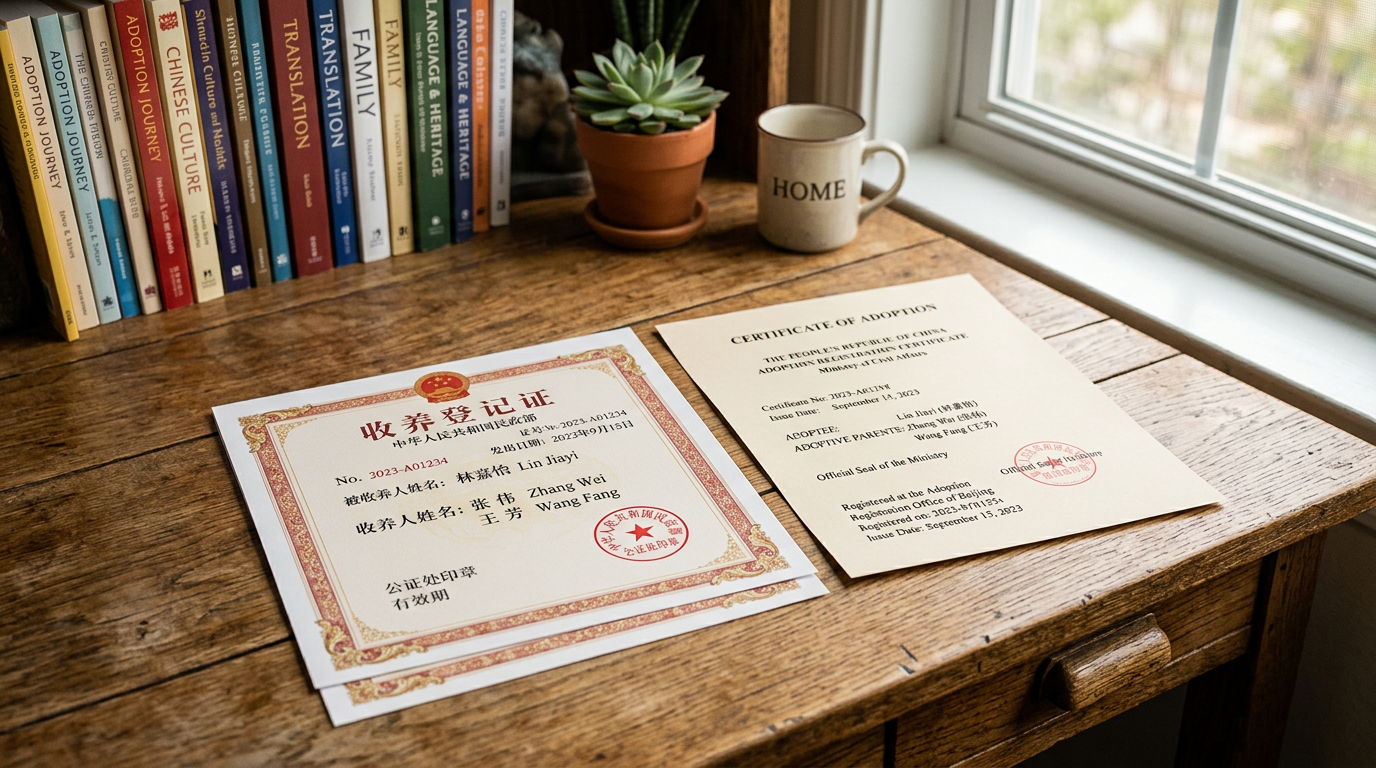
Understanding Mandarin Adoption Certificates
A Mandarin adoption certificate is a legal document that certifies the adoption of a child in China. It serves as proof of the legal relationship between the adoptive parents and the adopted child. This certificate typically includes vital information such as the child’s name, date of birth, and the names of the adoptive parents. The importance of this document cannot be overstated, especially for families looking to complete the adoption process in the UK.
Accurate translation of a Mandarin adoption certificate is crucial for several reasons. Firstly, it ensures that all parties involved—such as legal authorities, immigration officials, and educational institutions—fully understand the details of the adoption. Misinterpretations or inaccuracies in translation can lead to significant legal complications, delays, or even the rejection of applications. For instance, if a child’s name is misspelled or the date of birth is incorrectly translated, it could raise questions about the legitimacy of the adoption.
Furthermore, the translation must adhere to specific legal standards set by UK authorities, including the Home Office and UK Visas and Immigration (UKVI). These organizations require that all documents submitted for official purposes be translated accurately and certified by a qualified translator. This ensures that the translation is not only linguistically correct but also culturally appropriate, reflecting the nuances of the original document.
In summary, a Mandarin adoption certificate is a vital document in the adoption process, and its accurate translation is essential for legal recognition in the UK. Families should prioritize obtaining a certified translation to avoid any potential issues during their adoption journey.
Why You Need a Certified Translation
In the UK, legal requirements for adoption certificate translations are stringent. When submitting a Mandarin adoption certificate to authorities such as the Home Office or UKVI, it is mandatory to provide a certified translation. A certified translation is a translation that comes with a signed statement from the translator or translation service, affirming that the translation is accurate and complete. This certification is essential for the following reasons:
- Legal Recognition: Certified translations are legally recognized by UK authorities. This means that they are accepted for official purposes, including visa applications, court proceedings, and other legal matters.
- Accuracy Assurance: A certified translator is typically a professional with expertise in legal terminology and the nuances of both languages. This ensures that the translation is not only accurate but also culturally sensitive.
- Compliance with Regulations: UKVI and the Home Office have specific requirements regarding document submissions. A certified translation meets these requirements, reducing the risk of application delays or rejections.
It is important to differentiate between standard and certified translations. A standard translation may be sufficient for informal purposes, such as personal records or family use. However, for legal documents like adoption certificates, a certified translation is non-negotiable. The implications of using a non-certified translation can be severe, including the potential for legal disputes or complications in the adoption process.
Additionally, many translation services offer certification as part of their package, ensuring that clients receive a translation that meets all legal standards. When choosing a translation service, it is crucial to confirm that they provide certified translations specifically for legal documents.
The Translation Process Explained
The process of translating a Mandarin adoption certificate typically involves several steps, ensuring that the final product is accurate and compliant with legal standards. Here’s a step-by-step guide to what you can expect during the translation process:
- Document Submission: Begin by submitting your Mandarin adoption certificate to a professional translation service. Ensure that you provide any additional context or specific requirements, such as the intended use of the translation.
- Initial Assessment: The translation service will assess the document for complexity, length, and any specific terminology that may require special attention. They may also confirm the deadline for the translation.
- Translation by a Qualified Translator: A qualified translator, fluent in both Mandarin and English, will begin the translation process. This step involves not only translating the text but also ensuring that legal terminologies are accurately rendered.
- Quality Assurance: After the initial translation, a second translator or a quality assurance specialist will review the document. This step is crucial for catching any errors or inconsistencies that may have been overlooked.
- Certification: Once the translation is deemed accurate, the translator will provide a certification statement, affirming the accuracy and completeness of the translation. This certification is essential for legal acceptance.
- Delivery: The final certified translation will be delivered to you in the agreed format, often accompanied by the original document for comparison. Ensure that you review the translation for any discrepancies before submission to authorities.
Throughout this process, communication with the translation service is key. If you have any questions or concerns, do not hesitate to reach out to them for clarification. Understanding the timeline and expectations can help alleviate any stress associated with the translation process.
Choosing the Right Translation Service
Selecting a translation service for your Mandarin adoption certificate is a critical decision that can significantly impact your adoption process. Here are several factors to consider when choosing the right provider:
- Accreditation: Ensure that the translation service is accredited by a recognized body, such as the Association of Translation Companies (ATC) or the Chartered Institute of Linguists (CIOL). Accreditation indicates that the service meets industry standards for quality and professionalism.
- Expertise in Legal Translations: Look for a service that specializes in legal translations, particularly those familiar with adoption documents. This expertise ensures that the translator understands the specific terminology and legal implications involved.
- Customer Reviews and Testimonials: Research customer feedback and testimonials to gauge the reliability and quality of the service. Positive reviews from previous clients can provide insight into the service’s strengths and weaknesses.
- Turnaround Time: Inquire about the average turnaround time for translations. Depending on your urgency, you may need a service that can accommodate tight deadlines without compromising quality.
- Cost Transparency: Request a detailed quote that outlines the costs associated with the translation. Be wary of services that offer unusually low prices, as they may compromise on quality or certification.
Once you have narrowed down your options, consider reaching out to the shortlisted services for a consultation. This interaction can help you assess their customer service and responsiveness, which are crucial factors in ensuring a smooth translation process.
Common Challenges in Translation
Translating a Mandarin adoption certificate presents unique challenges that require careful consideration. Here are some common issues that may arise during the translation process:
- Language Nuances: Mandarin and English differ significantly in structure, idioms, and expressions. Capturing the intended meaning while maintaining the original tone can be challenging. For instance, certain phrases in Mandarin may not have direct equivalents in English, necessitating careful interpretation.
- Cultural Considerations: Cultural context plays a vital role in translation. Certain terms or concepts may hold specific significance in Chinese culture that may not be understood by English speakers. A skilled translator will navigate these cultural nuances to ensure clarity.
- Complex Legal Terminology: Adoption certificates often contain complex legal language that requires precise translation. Misinterpretation of legal terms can lead to significant issues, including the rejection of applications. Therefore, it is essential to work with translators who have expertise in legal documents.
To mitigate these challenges, it is advisable to choose a translation service with a proven track record in handling legal documents. Additionally, providing context and specific instructions to the translator can help ensure a smoother translation process.
Submitting Your Translated Certificate to the Home Office
Once you have obtained a certified translation of your Mandarin adoption certificate, the next step is to submit it to the Home Office. Here are the requirements and tips for ensuring your application is successful:
- Complete Documentation: Ensure that you include all necessary documents along with your translated certificate. This may include the original certificate, application forms, and any additional supporting materials required by the Home Office.
- Follow Submission Guidelines: Adhere to the Home Office’s submission guidelines regarding document formats and organization. This may include specific instructions on how to present your documents, such as whether to include copies or originals.
- Check for Accuracy: Before submission, double-check the accuracy of the translated document. Ensure that all names, dates, and details match the original certificate to avoid any discrepancies.
- Keep Copies: Make copies of all submitted documents for your records. This can be helpful in case of any follow-up inquiries or issues that may arise during the processing of your application.
- Monitor Application Status: After submission, monitor the status of your application. Be proactive in responding to any requests for additional information or clarification from the Home Office.
By following these guidelines, you can increase the likelihood of a successful application and minimize potential delays in the adoption process.
Mandarin Adoption Certificate for UKVI
When submitting a Mandarin adoption certificate to UKVI, specific requirements must be met to ensure compliance with their standards. Here are the key considerations:
- Certification Requirements: UKVI mandates that all translated documents be certified by a qualified translator or translation service. This certification must include a statement confirming the accuracy of the translation and the qualifications of the translator.
- Document Format: Ensure that the translated document is formatted correctly according to UKVI specifications. This may include specific margins, font sizes, and layout requirements.
- Language Proficiency: The translator should be fluent in both Mandarin and English, with a deep understanding of legal terminology. This proficiency is crucial for ensuring that the translation meets UKVI standards.
- Timeliness: UKVI applications often have strict deadlines. Plan ahead to ensure that you have sufficient time for the translation process, including any necessary revisions or adjustments.
To ensure compliance with UKVI standards, it may be beneficial to consult with a translation service that specializes in immigration-related documents. They can provide guidance on the specific requirements and help you navigate the submission process effectively.
Frequently Asked Questions
What is a Mandarin adoption certificate?
A legal document certifying the adoption of a child in China.
Why is a certified translation necessary?
It ensures the translation is legally recognized and accurate for official use.
How long does the translation process take?
Typically, it takes 5-7 business days, depending on the service provider.
What should I look for in a translation service?
Check for accreditation, customer reviews, and expertise in legal translations.
Can I translate my adoption certificate myself?
Self-translations are not accepted for legal purposes; a certified translator is required.