Understanding the Need for Medical Report Translation
Translating a medical report for official use in the UK is a critical process that ensures accurate communication of health information across language barriers. Certified translations are particularly important in medical contexts, as they provide assurance that the translated document is a true and accurate representation of the original. This is essential not only for personal understanding but also for legal and administrative purposes.
Common scenarios requiring the translation of medical reports include immigration applications, where individuals may need to submit health records to the Home Office, or when seeking medical treatment abroad. For instance, if a patient is moving to the UK and needs to provide their medical history to a new healthcare provider, a certified translation of their medical report will be necessary. Similarly, individuals applying for a visa may be required to submit translated medical documentation to prove their health status.
In addition to immigration and healthcare scenarios, translated medical reports are often required in legal contexts, such as personal injury claims or medical malpractice cases, where accurate medical records are crucial for legal proceedings. The importance of certified translations in these situations cannot be overstated, as inaccuracies or misunderstandings can lead to severe consequences, including denial of visa applications or misdiagnosis in healthcare settings.
Thus, understanding the need for medical report translation is vital for individuals navigating these complex situations. Ensuring that translations are performed by qualified professionals who specialize in medical terminology is essential for maintaining the integrity and reliability of the information being communicated.
The Medical Report Translation Process in the UK
The process of translating a medical report in the UK involves several key steps to ensure accuracy and compliance with legal requirements. Here’s a detailed breakdown of the medical report translation process:
- Contact a Certified Translation Service: The first step is to reach out to a certified translation service. It is crucial to choose a provider that specializes in medical translations, as they will have the necessary expertise in medical terminology and understanding of healthcare systems.
- Provide Necessary Documentation: Once you have selected a translation service, you will need to provide the original medical report along with any specific instructions regarding the translation. This may include details about the intended use of the translation (e.g., for visa application, healthcare provider, etc.).
- Translation Process: The translation service will assign a qualified translator who specializes in medical translations. They will carefully translate the document, ensuring that all medical terminology is accurately conveyed. This step may also involve consultation with medical professionals to clarify any complex terms or concepts.
- Proofreading and Quality Assurance: After the translation is completed, it undergoes a rigorous proofreading process. This step is crucial to catch any errors or inconsistencies in the translation. Many translation services employ a second translator to review the work, ensuring that the final document is of the highest quality.
- Certification of the Translation: Once the translation has been proofread and approved, the translation service will provide a certification statement. This document verifies that the translation is accurate and complete, which is often required for official use.
- Delivery of the Translated Report: Finally, the translated medical report will be delivered to you, either in physical or digital format, depending on your preference. It is important to keep this document safe, as it may be required for future reference.
Choosing the right translation service is crucial in this process. Look for services that have experience in medical translations and positive reviews from previous clients. This ensures that your medical report will be translated accurately and professionally.
Certified Medical Report Translation Steps
To ensure that a medical report translation is accepted for official use, it must be certified. Here are the steps involved in obtaining a certified translation:
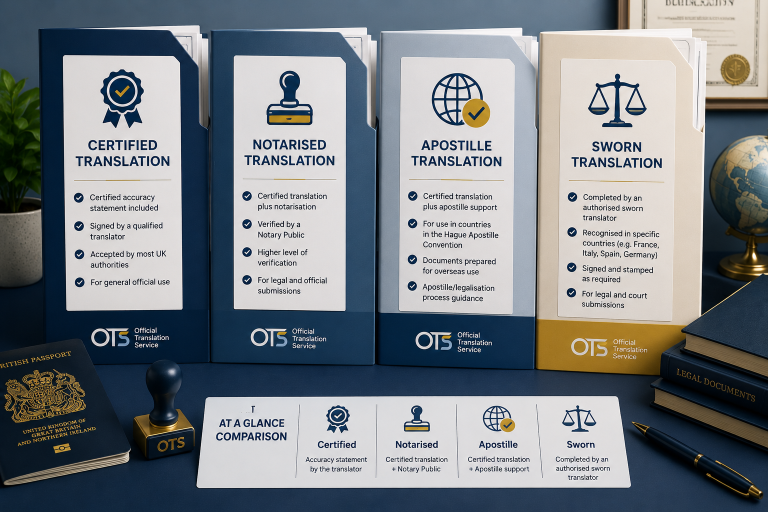
- Understanding Certification: A certified translation is one that comes with a signed statement from the translator or translation service affirming that the translation is accurate and complete. This certification is essential for documents submitted to authorities, such as the Home Office or medical institutions.
- Documentation Required: To obtain a certified translation, you will need to provide the original medical report along with any supporting documents that may be necessary for context. This could include previous translations, medical history, or specific instructions from the requesting authority.
- Choosing a Qualified Translator: Ensure that the translator you select is qualified and experienced in medical translations. They should be familiar with the terminology and nuances of the medical field, which is critical for accuracy.
- Review and Approval: After the translation is completed, it should be reviewed by another qualified translator or a medical professional. This step ensures that the translation is not only accurate but also comprehensible to the intended audience.
- Issuing the Certification: Once the translation has been reviewed and approved, the translator or translation service will issue a certification statement. This document will typically include the translator’s qualifications, a declaration of accuracy, and the date of completion.
Having a certified translation is crucial for legal and administrative purposes. It provides assurance to authorities that the translation is trustworthy and can be relied upon in official matters.
How to Translate a Medical Report for Home Office Requirements
When translating a medical report for submission to the Home Office, specific requirements must be met to ensure acceptance. Here are the key considerations:
- Use of Certified Translators: The Home Office requires that translations be performed by certified translators. This means that the translator must have the necessary qualifications and experience to ensure the translation is accurate and reliable.
- Format and Presentation: The translated medical report should be presented in a clear and professional format. This includes using the same layout as the original document, ensuring that all sections are clearly labeled, and maintaining the integrity of any charts or graphs.
- Inclusion of Certification Statement: The translation must include a certification statement from the translator or translation service, affirming the accuracy of the translation. This statement should be on official letterhead and include the translator’s contact information.
- Language Requirements: Ensure that the translation is in English, as this is the language required by the Home Office. If the original document is in another language, it must be fully translated into English.
- Common Pitfalls to Avoid: One common mistake is not providing sufficient context for the translator. It is essential to communicate any specific information that may be relevant to the translation, such as the purpose of the report or any particular medical conditions that should be highlighted.
By adhering to these guidelines, you can ensure that your translated medical report meets the Home Office’s requirements and facilitates a smoother application process.
Choosing the Right Translation Service
Selecting the right translation service is critical for ensuring that your medical report is translated accurately and professionally. Here are some factors to consider when making your choice:
- Specialization in Medical Translation: Look for a service that specializes in medical translations. This ensures that the translators are familiar with medical terminology and can accurately convey complex medical concepts.
- Qualifications and Experience: Check the qualifications of the translators. They should have relevant certifications and experience in the medical field. This is important for maintaining the integrity of the translation.
- Client Reviews and Testimonials: Research client reviews and testimonials to gauge the quality of service provided. Positive feedback from previous clients can be a good indicator of reliability and professionalism.
- Turnaround Time: Consider the turnaround time offered by the translation service. Depending on your needs, you may require a quick turnaround, so ensure that the service can accommodate your timeline.
- Cost and Pricing Structure: While cost should not be the sole deciding factor, it is important to understand the pricing structure of the translation service. Look for transparent pricing without hidden fees.
Choosing a specialized medical translator can significantly enhance the quality of your translation. They will have the necessary knowledge to navigate the complexities of medical language, ensuring that your report is accurately translated and certified.
Costs Involved in Medical Report Translation
The costs associated with translating a medical report can vary widely based on several factors. Here’s what you need to know about pricing structures in the translation industry:
- Length of the Document: Typically, translation services charge based on the word count of the original document. Longer medical reports will naturally incur higher costs.
- Complexity of the Content: Medical terminology can be complex and may require specialized knowledge. Translations involving intricate medical concepts may come at a premium due to the expertise required.
- Urgency of the Translation: If you need the translation completed quickly, many services offer expedited options at an additional cost. Consider your timeline when requesting a quote.
- Certification Fees: Some translation services may charge an additional fee for providing a certified translation. Ensure that you inquire about this when obtaining quotes.
It is advisable to obtain quotes from multiple translation services to compare costs and services offered. This will help you find a provider that meets your budget while ensuring high-quality translations.
Common Challenges in Medical Report Translation
Translating medical reports presents several challenges that require careful attention. Understanding these challenges can help ensure a more accurate translation:
- Language-Specific Challenges: Different languages may have unique medical terminologies or phrases that do not have direct translations. Translators must navigate these nuances to maintain the meaning of the original text.
- Technical Terminology: Medical reports often contain specialized jargon that requires a deep understanding of the medical field. Translators must be well-versed in both the source and target languages to convey the correct meaning.
- Cultural Differences: Medical practices and terminologies can vary significantly between cultures. Translators must be aware of these differences to avoid misinterpretations.
- Maintaining Confidentiality: Medical reports contain sensitive information, and translators must adhere to strict confidentiality agreements to protect patient privacy.
Addressing these challenges requires not only linguistic skills but also a solid understanding of medical concepts. Choosing a qualified translator with experience in medical translation can help mitigate these issues.
Best Practices for Medical Report Translation
To ensure the accuracy and reliability of medical report translations, consider the following best practices:
- Choose Qualified Translators: Always opt for translators who are certified and have experience in medical translations. Their expertise will ensure that the translation is accurate and reliable.
- Provide Context: When submitting your medical report for translation, provide as much context as possible. This includes information about the intended use of the translation and any specific medical conditions that should be highlighted.
- Implement Quality Checks: After the translation is completed, have it reviewed by a second qualified translator or a medical professional. This step is crucial for catching any errors or inconsistencies.
- Use Clear Formatting: Ensure that the translated document is formatted clearly and professionally. This includes maintaining the structure of the original document and ensuring that all sections are labeled appropriately.
By following these best practices, you can enhance the quality of your medical report translation and ensure that it meets the necessary requirements for official use.
Conclusion and Next Steps
Translating a medical report for official use in the UK is a crucial process that requires careful attention to detail and adherence to specific guidelines. Understanding the need for certified translations, the translation process, and the requirements for submission to the Home Office can help facilitate a smoother experience.
If you are in need of professional medical report translation services, consider reaching out to a certified translation service that specializes in medical translations. They can provide you with the expertise necessary to ensure that your translation is accurate, reliable, and compliant with all relevant requirements.
For more information or to get a quote for your medical report translation, contact us today.
Frequently Asked Questions
What is the process to translate a medical report in the UK?
The process involves contacting a certified translation service, providing necessary documentation, and receiving the translated report after a thorough review.
How long does it take to translate a medical report?
The time taken depends on the length and complexity of the report, typically ranging from a few days to a week.
Is a certified translation necessary for the Home Office?
Yes, the Home Office requires certified translations to ensure accuracy and authenticity of the documents submitted.
What are the costs associated with translating a medical report?
Costs vary based on the service provider and factors such as length, complexity, and urgency of the translation.
Can I translate my own medical report?
It is not recommended for official use; certified translations are required for legal and administrative purposes.