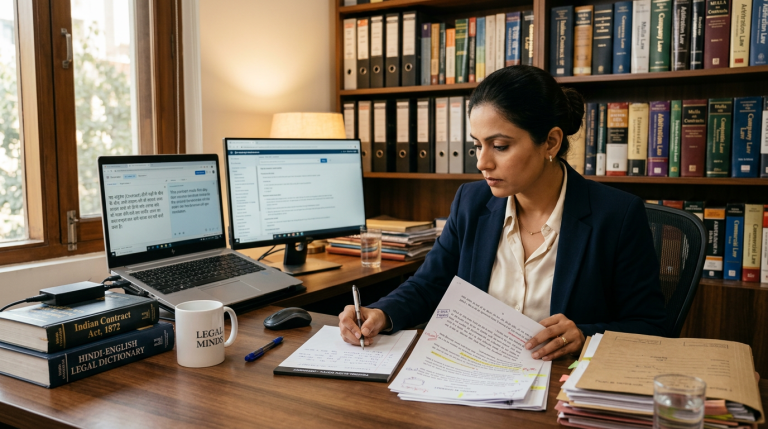
Understanding Dutch to English Translation for UK Official Use
Accurate translation of documents from Dutch to English is crucial for individuals and businesses interacting with UK authorities. The importance of precise translation cannot be overstated, especially when it comes to official documents that may impact legal status, immigration processes, or business operations. Misinterpretations or inaccuracies can lead to significant delays, legal complications, or even the rejection of applications.
Common documents that require translation include:
- Birth Certificates: Essential for immigration and legal processes, ensuring that personal details are accurately represented.
- Marriage Certificates: Often required for spouse visa applications or legal recognition of marital status.
- Academic Transcripts: Necessary for university admissions and professional registrations, where proof of qualifications is mandatory.
Each of these documents must be translated with meticulous attention to detail, as even minor errors can have serious ramifications. For instance, a birth certificate with incorrect names or dates can lead to identity verification issues, while inaccuracies in academic transcripts can affect university admissions. Therefore, understanding the translation requirements and processes for Dutch to English documents is essential for anyone looking to navigate the UK’s official landscape successfully.
The Dutch Document Translation Process Explained
The process of translating Dutch documents into English for official use involves several critical steps to ensure accuracy and compliance with UK regulations. Here’s a step-by-step breakdown of the translation process:
- Document Assessment: Begin by evaluating the documents that need translation. This includes identifying the type of document and its purpose. Different documents may have specific requirements for translation, especially if they are to be submitted to official bodies like UK Visas and Immigration (UKVI).
- Choosing a Qualified Translator: Selecting the right translation service is paramount. Look for translators who are not only fluent in both languages but also have expertise in the specific field related to your documents, such as legal, medical, or academic translation.
- Translation Process: Once you have chosen a translator, they will begin the translation process. This typically involves translating the text, ensuring that the meaning is preserved while adapting it to fit the cultural context of the target language.
- Quality Assurance: After the initial translation, a second translator or editor should review the document for accuracy and completeness. This step is crucial to catch any errors that may have been overlooked.
- Certification: If the document is required for official use, it may need to be certified. This involves the translator providing a signed statement affirming the accuracy of the translation.
Certified Translation: What You Need to Know
Certified translation refers to a translation that is accompanied by a signed statement from the translator or translation service, attesting to the accuracy of the translation. This certification is often required for documents submitted to UKVI or other official bodies.
Certification is necessary in various scenarios, including:
- When submitting documents for visa applications, such as family, work, or student visas.
- For legal proceedings, where accurate representation of documents is critical.
- In cases of academic admissions, where universities require verified translations of transcripts and certificates.
Key Considerations for Translating Dutch Documents
When translating Dutch documents into English, several key considerations must be taken into account to ensure accuracy and cultural relevance:
- Cultural Nuances: Language is deeply intertwined with culture. Understanding cultural references, idioms, and context is vital for producing a translation that resonates with the target audience. For example, certain phrases in Dutch may not have direct equivalents in English, requiring adaptation rather than literal translation.
- Legal Implications: Incorrect translations can lead to legal issues. For instance, a misinterpreted clause in a legal document could result in contractual disputes or compliance failures. It is essential to work with translators who are familiar with legal terminology in both languages.
Engaging professional translation services that specialize in Dutch to English translations can mitigate these risks. They are equipped to handle the complexities of language and ensure that all documents are translated accurately and appropriately.
How to Prepare Your Dutch Documents for Translation
Preparing your Dutch documents for translation involves several steps to ensure a smooth and efficient process:
- Gather Necessary Documents: Collect all documents that require translation. Ensure that you have the original versions as well as any copies that may be needed for reference.
- Check for Completeness: Verify that all documents are complete and legible. Missing pages or unclear text can hinder the translation process.
- Format Documents Appropriately: If documents are in a specific format (e.g., PDF, Word), ensure they are easily accessible for the translator. Providing documents in a standard format can facilitate a smoother translation process.
- Submit Documents Securely: When sending documents to a translation service, use secure methods to protect sensitive information. Consider using encrypted email or secure file transfer services.
By following these steps, you can streamline the translation process and ensure that your documents are accurately translated and ready for official use.
Finding the Right Translation Service in the UK
Choosing the right translation service for Dutch to English translations is crucial for ensuring quality and compliance. Here are some criteria to consider:
- Experience: Look for services with a proven track record in translating Dutch documents. Experience often correlates with quality and reliability.
- Certifications: Ensure that the translation service is accredited by recognized bodies, such as the Association of Translation Companies (ATC) or the Institute of Translation and Interpreting (ITI).
- Client Reviews: Check testimonials and reviews from previous clients to gauge the service’s reputation and reliability.
- Turnaround Time: Inquire about the expected turnaround time for translations, especially if you have tight deadlines.
Cost Factors in Dutch to English Translation
The cost of translating Dutch documents into English can vary significantly based on several factors:
- Type of Document: Legal documents, medical reports, and academic transcripts may require specialized knowledge, which can increase costs.
- Length of Document: Longer documents typically cost more to translate due to the increased time and effort required.
- Urgency: If you need a quick turnaround, many translation services offer expedited options at a higher price.
- Certification Requirements: Certified translations may incur additional fees for the certification process.
Frequently Asked Questions
What documents need to be translated from Dutch to English for UK use?
Common documents that require translation include birth certificates, marriage certificates, and academic transcripts.
How long does it take to translate Dutch documents to English?
Typically, the translation process takes between 5 to 10 business days, depending on the complexity and length of the documents.
Is a certified translation necessary for UKVI?
Yes, a certified translation is required for official documents submitted to UKVI to ensure accuracy and compliance with their standards.
What should I look for in a translation service?
When selecting a translation service, consider their experience, certifications, client reviews, and turnaround time to ensure you choose a reliable provider.
Can I translate documents myself for official use?
No, self-translations are not accepted for official purposes. It is essential to use a certified translation service for all official documents.