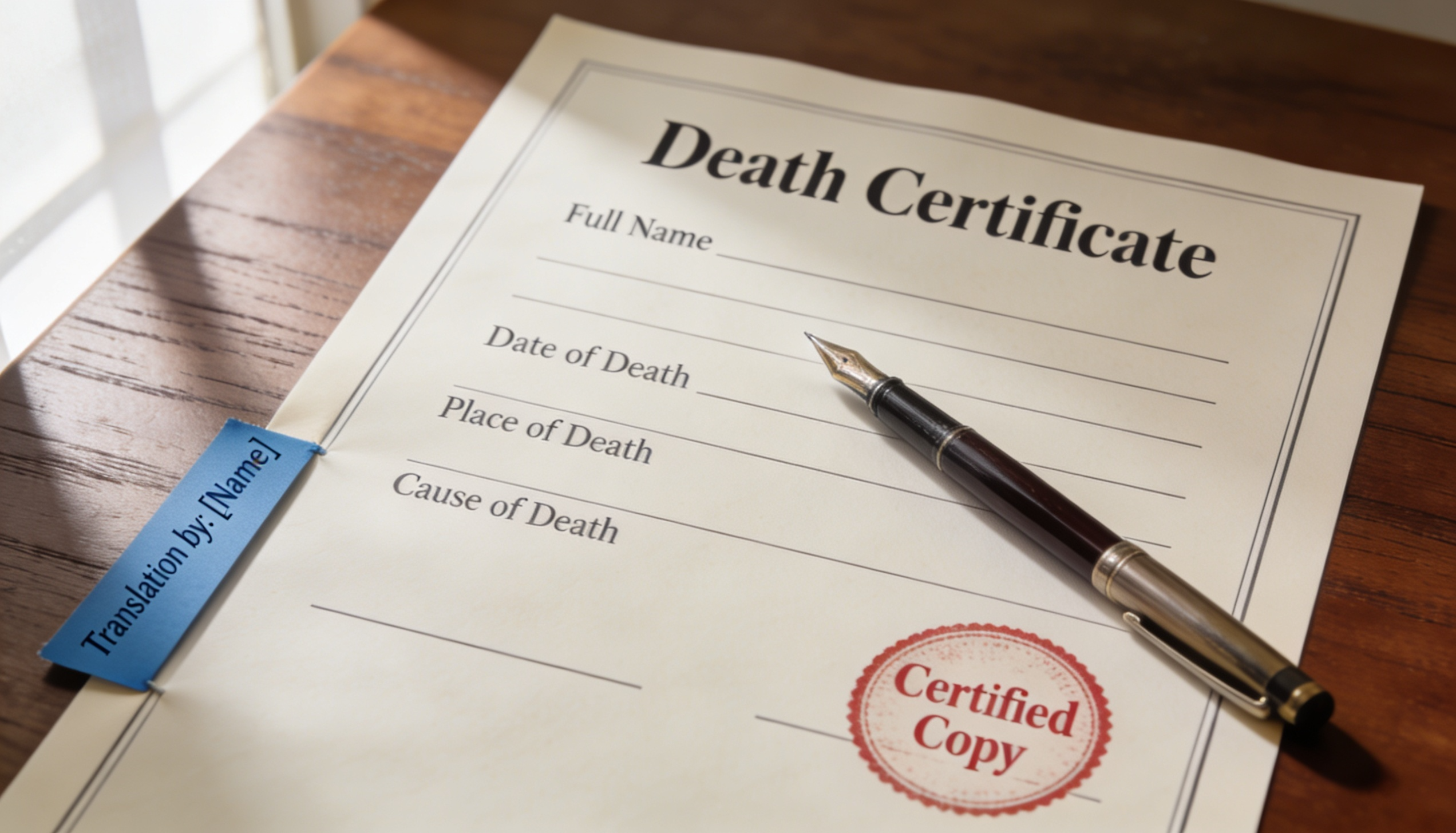
Understanding the Need for Death Certificate Translation
Translating a death certificate is a critical step in many legal and administrative processes, particularly in the UK. Death certificates serve as official documents that confirm the death of an individual and are often required for various purposes, including settling estates, applying for benefits, and completing legal formalities. When dealing with international matters, such as inheritance claims or immigration processes, the necessity of translating these documents into English becomes paramount.
Common scenarios requiring the translation of a death certificate in the UK include:
- Settling Estates: Executors or administrators may need to provide a translated death certificate to banks, insurance companies, or courts when managing the deceased’s estate, especially if the deceased was a foreign national.
- Immigration Applications: For individuals applying for visas or residency, the Home Office may require a translated death certificate if the applicant is claiming rights based on a deceased relative.
- Claiming Benefits: Family members may need to submit a translated death certificate to access pensions, life insurance payouts, or other benefits that require proof of death.
In these situations, accurate translation is not just a formality; it is essential for ensuring that legal processes are followed correctly and that the rights of the deceased and their family members are upheld. Failing to provide a properly translated death certificate can lead to delays, legal complications, or even denial of claims.
The Death Certificate Translation Process in the UK
The process of translating a death certificate in the UK involves several key steps to ensure that the translation is accurate, certified, and accepted by relevant authorities. Understanding this process can help individuals navigate the complexities involved.
1. Choose a Certified Translation Service: The first step is to select a reputable translation service that specializes in certified translations. It is crucial to choose a service that has experience with legal documents, particularly death certificates.
2. Provide the Original Document: Once a translation service has been selected, the next step is to submit the original death certificate. This document should be clear and legible to ensure that the translator can accurately interpret all details.
3. Translation and Certification: The translator will then begin the translation process. A certified translation includes not only the translated text but also a signed statement from the translator affirming the accuracy of the translation. This certification is vital for legal purposes.
4. Review and Delivery: After the translation is completed, the service will typically conduct a review to ensure accuracy. Once verified, the translated document will be delivered to the client, often in both digital and printed formats.
This process can vary in duration, typically taking a few days, depending on the translation service and the complexity of the document. It is advisable to plan ahead and allow sufficient time for this process, especially if the translated death certificate is needed for time-sensitive legal matters.
Certified Translation: What You Need to Know
Certified translation is a specific type of translation that is recognized by legal and governmental authorities. It involves a translator or translation service providing a signed statement confirming that the translation is accurate and complete. This certification is essential for any document that will be submitted for official use, such as a death certificate.
Why is certified translation necessary? Here are several reasons:
- Legal Acceptance: Many institutions, including the Home Office, banks, and courts, require certified translations to ensure that the documents presented are legitimate and accurately reflect the original.
- Accountability: Certified translators are often required to adhere to strict ethical standards and may be held accountable for the accuracy of their work, providing an additional layer of trust.
- Format and Structure: Certified translations must follow specific formatting guidelines, which can include notations, stamps, or seals that indicate the document’s authenticity.
In the context of a death certificate, a certified translation ensures that all details, such as the deceased’s name, date of birth, date of death, and cause of death, are accurately conveyed. This accuracy is critical, as even minor discrepancies can lead to complications in legal proceedings.
Steps to Get a Death Certificate Translated
Obtaining a translated death certificate involves several straightforward steps. Here’s a detailed breakdown of the process:
- Finding a Certified Translator: Start by researching certified translation services that specialize in legal documents. Look for companies that have positive reviews and a proven track record in handling death certificates. You can also check if they are members of professional organizations, which can indicate their credibility.
- Submitting the Document for Translation: After selecting a translator, submit the original death certificate. Ensure that the document is in good condition and all information is legible. Some services may allow you to submit documents online, while others may require physical copies.
- Translation Process: The translator will begin the translation, ensuring that all legal terminology is accurately rendered. This step may involve consulting legal dictionaries or databases to ensure precision. The translator will also prepare a certification statement to accompany the translated document.
- Review and Quality Assurance: A reputable translation service will typically have a quality assurance process in place. This may involve a second translator reviewing the work to ensure accuracy and completeness.
- Receiving the Translated Document: Once the translation is complete and certified, you will receive the translated death certificate. This document should include the translator’s certification statement, which confirms that the translation is true and accurate. It is advisable to keep both the original and the translated documents together for reference.
Throughout this process, communication with the translation service is key. If you have specific requirements or deadlines, make sure to convey this information upfront to avoid any delays.
Translation Requirements for the Home Office
When submitting a death certificate to the Home Office, there are specific translation requirements that must be adhered to. Understanding these requirements can help ensure that your application is processed without issues.
The Home Office mandates that all documents submitted in support of immigration applications must be in English. This includes death certificates that may be required for claims based on family relationships or inheritance matters. Here are the key requirements:
- Certified Translation: As mentioned earlier, the Home Office requires that all translations be certified. This means that the translator must provide a signed statement attesting to the accuracy of the translation.
- Format: The translated document should closely resemble the original in format. This includes maintaining the same layout and structure, which helps facilitate the review process.
- Language Proficiency: The translator must be proficient in both the source language and English. This ensures that nuances and specific terminology are accurately translated.
- Contact Information: The certification statement should include the translator’s contact information, qualifications, and any relevant accreditations. This information may be requested by the Home Office for verification purposes.
Failure to comply with these requirements can result in delays or rejections of applications. Therefore, it is advisable to work with a certified translation service that is familiar with the Home Office’s guidelines to ensure compliance.
Common Challenges in Death Certificate Translation
Translating a death certificate can present several challenges that must be navigated carefully to ensure accuracy and compliance. Here are some common issues that arise during the translation process:
- Language Barriers: Different languages have unique structures, idioms, and cultural references that can complicate translation. For example, terms related to death and burial practices may vary significantly across cultures, requiring the translator to have a deep understanding of both the source and target languages.
- Terminology Issues: Death certificates often contain technical terms related to medical and legal fields. Ensuring that these terms are accurately translated is essential, as inaccuracies can lead to misunderstandings or legal complications.
- Ensuring Accuracy: The stakes are high when it comes to translating legal documents. Even minor errors can have significant consequences. Therefore, it is crucial to choose a translator with experience in legal translations and a strong attention to detail.
- Legal Compliance: Different jurisdictions may have varying requirements for what constitutes an acceptable translation. It is essential to be aware of these requirements to avoid issues during submission.
To mitigate these challenges, it is advisable to work with a certified translation service that has a proven track record in handling death certificates and understands the specific requirements of the Home Office and other legal entities.
Cost of Death Certificate Translation in the UK
The cost of translating a death certificate in the UK can vary widely based on several factors. Understanding these factors can help individuals budget appropriately for this necessary service.
Some of the primary factors influencing translation costs include:
- Length of the Document: Longer documents typically require more time and effort to translate, which can increase the overall cost.
- Language Pair: The complexity of the language pair can affect pricing. For instance, translating from a less common language may incur higher costs due to the availability of qualified translators.
- Urgency: If a quick turnaround is required, many translation services offer expedited services at a premium rate.
- Certification Requirements: The need for a certified translation may also influence costs, as this requires additional steps and documentation.
On average, individuals can expect to pay anywhere from £50 to £150 for a certified translation of a death certificate, depending on the factors mentioned above. It is advisable to obtain quotes from multiple services to ensure competitive pricing and to clarify what is included in the quoted price.
Tips for Choosing the Right Translation Service
- Check Credentials: Look for translation services that employ certified translators with experience in legal document translation. Verify their credentials and any relevant certifications.
- Read Reviews: Customer reviews and testimonials can provide insight into the quality of service offered. Look for feedback specifically related to the translation of legal documents.
- Request Samples: If possible, ask for samples of previous translations to assess the quality and accuracy of their work.
- Inquire About Turnaround Times: Ensure that the service can meet your deadlines. If you require the translation quickly, confirm their ability to provide expedited services.
- Discuss Pricing: Obtain a detailed quote that outlines all costs associated with the translation, including any additional fees for certification or expedited services.
By following these tips, you can find a translation service that meets your needs and ensures a smooth translation process for your death certificate.
Conclusion: Ensuring a Smooth Translation Process
Translating a death certificate is a vital step in navigating legal and administrative processes in the UK. Understanding the need for accurate and certified translations can help individuals avoid complications and ensure that their rights and those of their loved ones are protected.
By following the outlined steps, being aware of the requirements set by the Home Office, and choosing a reputable translation service, individuals can facilitate a smooth translation process. Whether for settling estates, applying for benefits, or fulfilling immigration requirements, having a properly translated death certificate is essential for legal compliance and peace of mind.
Frequently Asked Questions
How do I translate a death certificate in the UK?
Contact a certified translation service and provide the original document for translation. Ensure that the service specializes in legal documents.
What is a certified translation?
A certified translation is an officially recognized translation that includes a signed statement from the translator affirming its accuracy and completeness.
Do I need a certified translation for the Home Office?
Yes, the Home Office requires certified translations for official documents, including death certificates. Ensure compliance with their guidelines to avoid delays.
How long does it take to translate a death certificate?
Typically, it takes a few days to translate a death certificate, depending on the translation service and the complexity of the document.
What are the costs associated with translating a death certificate?
Costs vary based on the service provider and factors such as document length and language pair. On average, expect to pay between £50 and £150 for a certified translation.