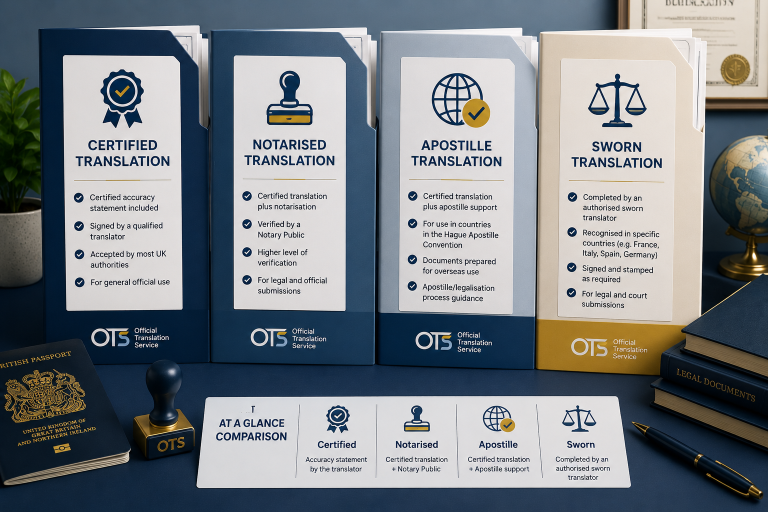
Understanding ECN Translation
ECN translation refers to the process of translating documents required for European Citizenship applications, particularly those related to the EU Settlement Scheme. This type of translation must be certified to ensure that it meets legal standards and is accepted by authorities in the UK and EU. Certified translations are essential for individuals applying for settled status or pre-settled status under the EU Settlement Scheme, as they provide an accurate representation of the original documents in English.
The importance of certified translation for ECN applications cannot be overstated. When individuals submit their applications for citizenship or residency, they often need to provide various documents, such as birth certificates, marriage certificates, and proof of residency. These documents must be translated into English by a qualified translator who can certify that the translation is accurate and complete. Failure to provide certified translations may lead to delays in processing applications or even rejection by immigration authorities.
Moreover, certified translations carry legal weight. They are often required not just for immigration purposes but also for other official matters, such as legal proceedings or financial transactions. When dealing with sensitive matters like citizenship, ensuring that all documents are correctly translated and certified is crucial for compliance and peace of mind.
Why Certified Translation is Essential for ECN Applications
Legal requirements for ECN documents are stringent. The UK Home Office mandates that any document submitted as part of an ECN application must be accompanied by a certified translation if it is not originally in English. This includes a wide range of documents, such as:
- Birth certificates
- Marriage certificates
- Divorce decrees
- Academic qualifications
- Employment records
Using non-certified translations can have serious consequences. If an applicant submits a document without a certified translation, the Home Office may deem the application incomplete, leading to delays or outright rejection. Non-certified translations can also create misunderstandings or inaccuracies, which may further complicate the application process. For instance, if a birth certificate is mistranslated, it could lead to questions about the applicant’s identity or eligibility, causing unnecessary stress and potential legal issues.
Furthermore, certified translations provide a level of assurance to both the applicant and the authorities. They are typically performed by qualified professionals who are familiar with the specific terminology and nuances of legal documents. This expertise ensures that the translations are not only accurate but also contextually appropriate, which is vital for legal acceptance.
In summary, certified translation is not just a formality; it is a legal requirement that can significantly impact the success of an ECN application. By ensuring that all documents are accurately translated and certified, applicants can avoid potential pitfalls and streamline their journey towards obtaining European citizenship.
The Process of Obtaining ECN Certified Translation
Obtaining ECN certified translation involves several key steps to ensure that your documents are accurately translated and legally accepted. Here’s a detailed breakdown of the process:
- Identify Required Documents: Begin by determining which documents need to be translated. Common documents include birth certificates, marriage certificates, and any legal documents relevant to your application.
- Choose a Qualified Translator: It is crucial to select a translator who is accredited and experienced in legal translations. Look for translators who are members of professional bodies, such as the Institute of Translation and Interpreting (ITI) or the Association of Translation Companies (ATC).
- Request a Quote: Contact your chosen translation service to request a quote. Be prepared to provide details about the documents you need translated, including the number of pages and the language of the original documents.
- Submit Your Documents: Once you agree on the pricing and timeline, submit your documents to the translator. Ensure that you provide clear copies of the originals to avoid any misinterpretations.
- Review the Translation: After the translation is completed, review the document carefully. It is advisable to check for accuracy and ensure that all information has been translated correctly.
- Obtain Certification: The translator will provide a signed statement certifying that the translation is accurate and complete. This certification is typically required for submission to the Home Office.
Choosing the right translation service is crucial to this process. Look for services that specialize in legal and immigration translations, as they will be familiar with the specific requirements of the Home Office. Additionally, consider their turnaround times, customer reviews, and whether they offer any guarantees regarding acceptance by authorities.
Common Documents Requiring ECN Certified Translation
When applying for European citizenship or settled status, there are several types of documents that typically require certified translation. Understanding these documents and their specific requirements is essential for a smooth application process:
- Birth Certificates: These documents must be translated in full, including all names, dates, and places. The translation should reflect the original format and any official seals or signatures.
- Marriage Certificates: Similar to birth certificates, marriage certificates must be translated accurately. Any changes in name due to marriage should be clearly indicated in the translation.
- Divorce Decrees: If applicable, divorce decrees must also be translated. The translator should ensure that all legal terms are accurately represented to avoid any confusion regarding marital status.
- Academic Qualifications: Translations of diplomas, degrees, and transcripts must include all relevant details, such as grades and course descriptions. This is particularly important for individuals applying based on their educational qualifications.
- Proof of Residency: Documents proving residency, such as utility bills or lease agreements, may also require translation. These should clearly state the applicant’s name and address.
Each document type has its own nuances, and it is vital to work with a translator who understands these requirements. Providing accurate translations of these documents is crucial for demonstrating eligibility for citizenship or settled status.
EU Settlement Scheme and Settled Status Translation
The EU Settlement Scheme allows EU citizens and their family members to apply for settled or pre-settled status in the UK. This scheme is particularly relevant for those who have lived in the UK before the end of the Brexit transition period. As part of the application process, specific translation requirements must be met to ensure that all documents are accepted by the Home Office.
When applying for settled status, applicants must provide a range of documents that may require certified translation. These include:
- Proof of identity (e.g., passports or national ID cards)
- Proof of residency (e.g., utility bills, bank statements)
- Family relationship documents (e.g., marriage certificates, birth certificates)
Each of these documents must be translated into English if they are originally in another language. The translations must be certified to confirm their accuracy and completeness. The Home Office has strict guidelines regarding the acceptance of documents, and any discrepancies can lead to delays or rejection of the application.
Furthermore, it is essential to ensure that translations are completed by qualified professionals who are familiar with the terminology used in immigration documents. This expertise can help prevent misunderstandings and ensure that the application is processed smoothly.
In summary, understanding the translation requirements for the EU Settlement Scheme is vital for applicants seeking settled status. By ensuring that all documents are accurately translated and certified, individuals can navigate the application process with confidence.
Choosing the Right Translation Service in the UK
Selecting the right translation service is a critical step in obtaining certified translations for ECN applications. Several factors should be considered when making this decision:
- Accreditation: Ensure that the translation service is accredited by recognized bodies, such as the ITI or ATC. Accreditation indicates that the service meets industry standards for quality and professionalism.
- Experience: Look for a service that specializes in legal and immigration translations. Experienced translators will be familiar with the specific terminology and requirements of the Home Office.
- Customer Reviews: Check online reviews and testimonials from previous clients. Positive feedback can provide insight into the reliability and quality of the service.
- Turnaround Time: Consider the time frame for translation. Ensure that the service can meet your deadlines, especially if you are working with tight application timelines.
- Cost: While cost should not be the sole factor, it is important to understand the pricing structure. Look for transparent pricing without hidden fees.
By taking these factors into account, applicants can choose a translation service that meets their needs and ensures the successful submission of their ECN applications.
Cost Considerations for ECN Certified Translation
When budgeting for certified translation services, it is essential to understand the typical pricing models and the factors that can influence costs. Certified translation prices can vary significantly based on several factors:
- Document Type: The complexity and length of the document can affect pricing. For example, translating a birth certificate may cost less than translating a detailed academic transcript.
- Language Pair: The language of the original document and the target language can influence costs. Some language pairs may be more expensive due to the availability of qualified translators.
- Urgency: If you require expedited services, be prepared to pay a premium. Many translation services offer rush options for an additional fee.
- Certification Requirements: Some services may charge extra for the certification process itself, so it’s important to clarify this when obtaining a quote.
On average, certified translations in the UK can range from £30 to £100 per document, depending on the factors mentioned above. It is advisable to obtain quotes from multiple services to compare prices and ensure you are getting a fair rate.
In summary, understanding the cost considerations for ECN certified translation is crucial for effective budgeting. By being aware of the factors that influence pricing, applicants can make informed decisions when selecting a translation service.
Frequently Asked Questions about ECN Translation
What is ECN translation?
ECN translation refers to the translation of documents required for European Citizenship applications. These translations must be certified for legal acceptance.
Why do I need a certified translation for my ECN application?
A certified translation is a legal requirement for submission to ensure accuracy and acceptance by authorities. It confirms that the translation is complete and accurate.
What documents typically require certified translation for ECN?
Common documents include birth certificates, marriage certificates, and academic qualifications. Each of these documents must be accurately translated to meet legal standards.
How long does it take to get a certified translation?
The time required for certified translation varies by service provider but typically ranges from 1 to 5 business days, depending on the complexity and length of the documents.
Can I use a non-certified translation for my ECN application?
No, non-certified translations are not accepted for ECN applications. Certified translations ensure compliance with legal standards and are required by the Home Office.