Understanding Document Translation for UK Immigration
Document translation plays a pivotal role in the UK immigration process, as it ensures that all submitted documents are accurately understood by immigration officials. The importance of precise translations cannot be overstated; even minor errors can lead to misunderstandings, delays, or even rejections of visa applications. For individuals seeking to live, work, or study in the UK, having their documents translated correctly is crucial to navigating the complex immigration landscape.
UK immigration requirements demand that certain documents be submitted in English, particularly those that are not originally in the language. This includes vital documents such as birth certificates, marriage certificates, academic transcripts, and financial statements. According to the Home Office guidelines, all translations must be clear, accurate, and certified to be accepted. Failure to comply with these requirements can result in significant setbacks, including the denial of visa applications or residency permits.
Moreover, the UK immigration system is known for its rigorous scrutiny of applications. Therefore, applicants must ensure that their translations not only convey the correct information but also adhere to the specific formatting and certification requirements set forth by the UK Visas and Immigration (UKVI). This includes ensuring that translations are completed by qualified professionals who understand the legal implications of their work.
In summary, accurate document translation is essential for successful immigration to the UK. It is advisable for applicants to familiarize themselves with the specific requirements for their documents and consider professional translation services to mitigate risks associated with DIY translations.
Can I Translate My Own Documents?
Individuals often wonder, “Can I translate my own documents for UK immigration?” The short answer is yes, but there are critical considerations to keep in mind. Self-translation is permissible under certain circumstances, but it comes with specific eligibility criteria that must be met to ensure compliance with UK immigration standards.
First and foremost, self-translation is typically accepted only for personal documents where the translator can affirm their fluency in both the source and target languages. However, this does not mean that all self-translations will be accepted. The Home Office and UKVI often require that translations be certified, which means they must be accompanied by a declaration of accuracy from the translator. This declaration is crucial, as it serves as a formal attestation that the translation is true and complete to the best of the translator’s knowledge.
Common misconceptions about DIY translations include the belief that any translation will suffice as long as it is in English. This is not the case; the quality and accuracy of the translation are paramount. Inaccurate translations can lead to serious consequences, including visa denials or delays. Furthermore, many applicants mistakenly assume that informal translations—such as those completed by friends or family—are acceptable. However, official bodies typically require translations to be completed by qualified professionals who can provide certification.
In conclusion, while it is possible to translate your own documents for UK immigration, it is essential to understand the requirements and risks involved. Ensuring accuracy and compliance with UKVI standards is critical to the success of your application.
What is Self-Certified Translation?
Self-certified translation refers to a translation completed by an individual who asserts its accuracy. This process involves the translator providing a signed statement affirming that the translation is a true and complete representation of the original document. Self-certified translations can be particularly useful for personal documents, such as birth certificates or academic records, where the translator has a direct connection to the content.
The process of self-certification typically includes the following steps:
- Translation: The individual translates the document into English, ensuring that all information is accurately conveyed.
- Declaration: The translator prepares a declaration of accuracy, which includes their name, contact information, and a statement confirming their fluency in both languages.
- Submission: The self-certified translation, along with the original document, is submitted to the relevant authorities.
Self-certification is acceptable in certain situations, particularly for documents that do not require a formal certification by a professional translator. However, it is crucial to note that self-certified translations may not be accepted for all types of documents, especially those that require a higher level of scrutiny, such as legal or official documents.
In summary, self-certified translation is a viable option for individuals who are fluent in both languages and can accurately translate their documents. However, understanding the limitations and requirements of self-certification is essential to avoid potential pitfalls during the immigration process.
Requirements for Self-Certified Translations in the UK
When considering self-certified translations for UK immigration, it is essential to understand the specific requirements that must be met to ensure acceptance by UKVI. These requirements are designed to maintain the integrity and accuracy of the information provided in immigration applications.
The necessary components of a self-certified translation include:
- Accuracy: The translation must be a true and complete representation of the original document. Any discrepancies or omissions can lead to complications in the application process.
- Fluency: The translator must be fluent in both the source and target languages. This fluency is crucial for ensuring that the nuances and context of the original document are preserved.
- Declaration of Accuracy: A signed statement from the translator affirming the accuracy of the translation is required. This declaration should include the translator’s name, contact information, and a statement of their qualifications.
- Original Document: The self-certified translation must be submitted alongside the original document to provide context and verification.
Documentation needed for submission typically includes:
- The original document in its native language.
- The translated document in English.
- A signed declaration of accuracy from the translator.
It is important to remember that while self-certified translations can be accepted for certain documents, they may not be suitable for all situations. For example, legal documents or those requiring a high level of scrutiny may necessitate a certified translation from a professional translator. Therefore, it is advisable to check the specific requirements for each document type to ensure compliance with UK immigration standards.
Who Can Certify Translations in the UK?
When it comes to certified translations in the UK, there are specific professionals who are authorized to certify translations. Understanding who can certify translations is crucial for ensuring that your documents meet the requirements set by UKVI.
Professionals authorized to certify translations include:
- Certified Translators: These are individuals who have undergone formal training and have received accreditation from recognized translation bodies. They are qualified to provide certified translations that meet the standards required by UK immigration authorities.
- Solicitors: Solicitors can also certify translations, particularly for legal documents. Their professional standing lends credibility to the translation, ensuring that it is accepted by official bodies.
- Notaries Public: Notaries can certify translations as part of their duties, especially when documents need to be notarized for legal purposes.
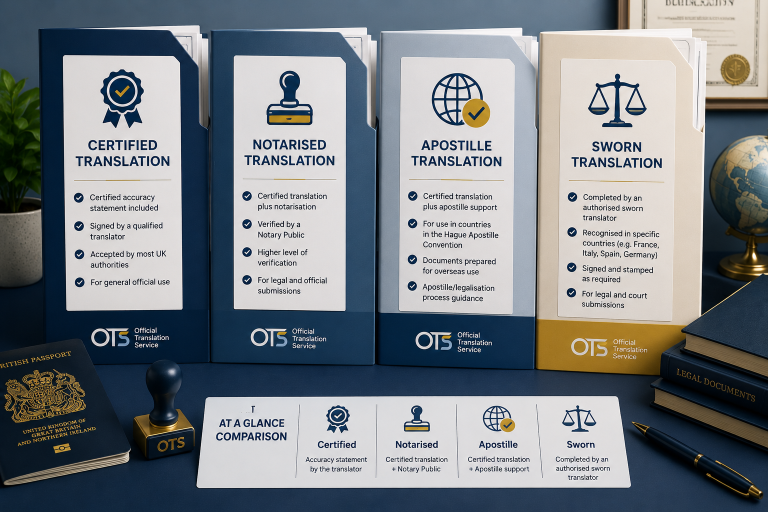
It is essential to understand the differences between certified and notarized translations. Certified translations are typically accompanied by a declaration from the translator affirming the accuracy of the translation. In contrast, notarized translations involve a notary public verifying the identity of the translator and witnessing their signature on the declaration. While both types of translations are accepted by UKVI, notarized translations may be required for specific legal documents or situations.
In summary, ensuring that your translations are certified by qualified professionals is essential for meeting UK immigration requirements. Understanding who can certify translations and the distinctions between certification types will help you navigate the immigration process more effectively.
Risks of DIY Translation for Immigration Purposes
While the idea of translating your own documents may seem appealing due to cost savings and convenience, there are significant risks associated with DIY translation for immigration purposes. The consequences of inaccurate translations can be severe and may jeopardize your immigration application.
Some potential pitfalls of self-translating documents include:
- Inaccuracy: Even minor errors in translation can lead to misunderstandings and misinterpretations by immigration officials. This can result in delays, requests for additional information, or outright denials of your application.
- Lack of Certification: Many immigration authorities require translations to be certified by qualified professionals. Submitting a self-translated document without appropriate certification can lead to rejection.
- Legal Implications: Inaccurate translations of legal documents can have serious ramifications, including legal disputes or challenges to the validity of the documents submitted.
- Increased Stress: The immigration process can be stressful, and the added burden of ensuring that your translations are accurate can lead to unnecessary anxiety and complications.
Consequences of inaccurate translations can include:
- Visa denials or delays, which can affect your plans and opportunities in the UK.
- Additional costs associated with re-translating documents or seeking professional assistance after a denial.
- Potential legal issues arising from the submission of inaccurate or misleading information.
In conclusion, while DIY translation may seem like a viable option, the risks involved can outweigh the benefits. It is often more prudent to invest in professional translation services to ensure that your documents are accurately translated and certified, thus safeguarding your immigration application.
Alternatives to Self-Translation
For individuals seeking to navigate the complexities of document translation for UK immigration, professional translation services offer a reliable alternative to self-translation. These services provide numerous benefits that can enhance the accuracy and credibility of your application.
Professional translation services typically offer:
- Expertise: Professional translators are trained and experienced in translating documents for immigration purposes. They understand the specific requirements and nuances of the UK immigration system.
- Certification: Many professional translation services provide certified translations, ensuring that your documents meet UKVI standards. This certification adds an extra layer of credibility to your application.
- Quality Assurance: Professional services often have quality control processes in place to ensure that translations are accurate and free of errors. This reduces the risk of complications during the immigration process.
- Time Efficiency: Utilizing professional services can save you time and stress, allowing you to focus on other aspects of your immigration application.
When looking for a certified translator in the UK, consider the following steps:
- Research: Look for translation services that specialize in immigration documents and have positive reviews from previous clients.
- Check Qualifications: Ensure that the translators are accredited and have experience in translating the specific types of documents you need.
- Request Quotes: Obtain quotes from multiple services to compare pricing and turnaround times.
- Verify Certification: Confirm that the translation service provides certification for their translations, as this is crucial for immigration purposes.
In summary, professional translation services present a viable and effective alternative to self-translation. By leveraging the expertise of qualified translators, you can enhance the accuracy and credibility of your immigration documents, ultimately improving your chances of a successful application.
Conclusion: Making the Right Choice for Your Immigration Needs
In conclusion, the process of translating documents for UK immigration is a critical step that requires careful consideration. While it is possible to translate your own documents, the risks associated with DIY translations can lead to significant complications in the immigration process. Understanding the requirements for self-certified translations, the professionals authorized to certify translations, and the potential pitfalls of self-translation is essential for ensuring a smooth immigration experience.
For those seeking to navigate this process successfully, investing in professional translation services is often the best choice. These services not only provide the expertise and certification needed for compliance with UKVI standards but also offer peace of mind that your documents are accurately represented. By prioritizing accuracy and professionalism in your document translations, you can enhance your chances of a successful immigration application and avoid unnecessary delays or denials.
Ultimately, whether you choose to translate your own documents or seek professional assistance, understanding the nuances of the UK immigration translation requirements is key to achieving your immigration goals.
Frequently Asked Questions
Can I translate my own documents for UK immigration?
Yes, but there are specific requirements to meet.
What is a self-certified translation?
A translation done by the individual, affirming its accuracy.
Who can certify translations in the UK?
Qualified professionals such as solicitors or certified translators.
What are the risks of DIY translation for immigration?
Inaccurate translations can lead to visa denials or delays.
How can I find a certified translator in the UK?
Look for translators listed with professional bodies or associations.