Understanding Cantonese Medical Report Translation
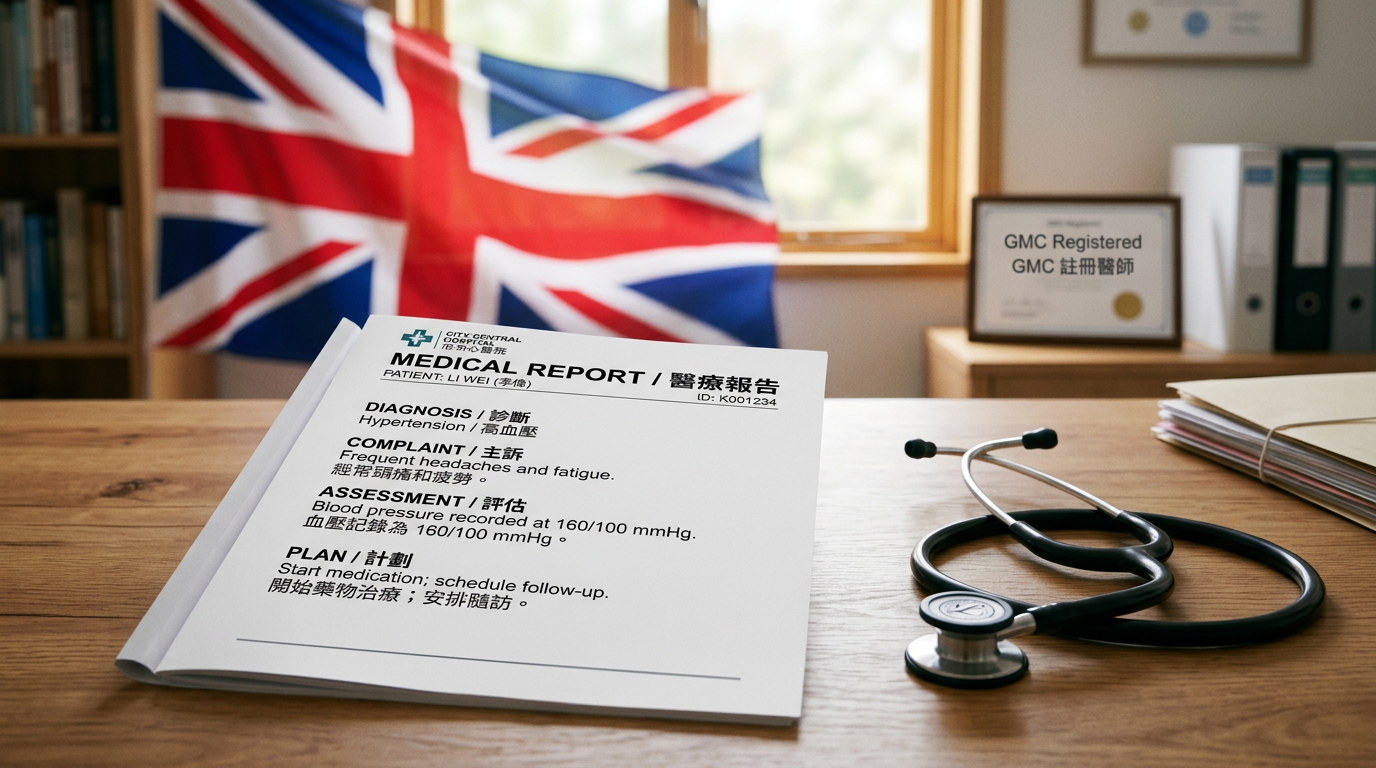
Cantonese medical report translation involves the conversion of medical documents from Cantonese to English, ensuring that healthcare providers can accurately understand and utilize the information contained within these documents. This type of translation is critical in a multicultural society where patients may speak different languages. The primary goal is to maintain the integrity and accuracy of medical information, which can significantly impact patient care and treatment outcomes.
Medical reports can contain diagnoses, medication names, test results and other specialist terminology that needs careful translation. A provider experienced with medical documents can help preserve the meaning and structure of the source for the intended recipient.
Moreover, the translation of medical reports must adhere to specific standards and regulations to ensure that they are accepted by healthcare institutions and governmental bodies. This includes maintaining confidentiality and understanding the cultural nuances that may affect how medical information is perceived and conveyed. In summary, Cantonese medical report translation is a specialized field that plays a vital role in bridging communication gaps in healthcare settings.
Why You Need a Certified Translation
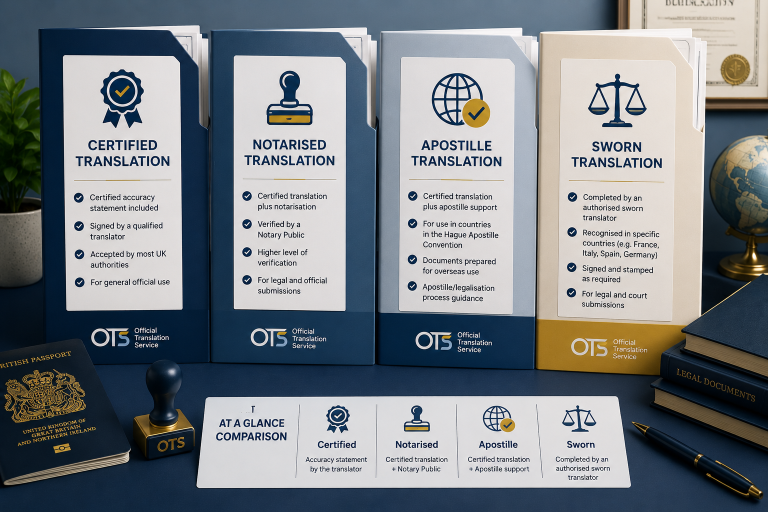
When it comes to medical report translations, certified translations are often required for a variety of legal and administrative purposes. A certified translation is a document that has been translated by a qualified translator and comes with a signed statement attesting to the accuracy and completeness of the translation. This certification is crucial for several reasons:
- Official use: Some government, legal, medical or regulatory recipients require a certified translation; others set different document rules.
- Recipient requirements: If the medical report is being used for an immigration, registration or other official process, check the current instructions for that specific application.
Understanding the differences between standard and certified translations is essential. While a standard translation may be sufficient for personal use, a certified translation provides an added layer of assurance regarding the accuracy and reliability of the document. For example, a standard translation might be acceptable for informal communication, but when it comes to legal matters or official submissions, a certified translation is mandatory.
If a Cantonese medical report is being translated for official use, confirm whether the receiving organisation requires certification and what details must appear in the statement. Certification does not itself guarantee acceptance.
How to Translate a Cantonese Medical Report
Translating a Cantonese medical report involves a systematic process to ensure accuracy and compliance with necessary standards. Here are the key steps involved in this translation process:
- Document Assessment: Begin by reviewing the medical report to understand its content, complexity, and specific terminology. This assessment will help in identifying any specialized language that may require additional research or expertise.
- Research Terminology: Medical terminology can be complex and varies between languages. It is crucial to research and understand specific medical terms in both Cantonese and English to ensure accurate translation.
- Translation: Proceed with the translation, maintaining the original meaning and context of the medical report. It is essential to be meticulous and pay attention to detail, as even minor errors can have significant implications.
- Proofreading and Editing: After the initial translation, review the document for any grammatical errors, inconsistencies, or inaccuracies. This step often involves a second translator or a medical professional to ensure the translation is error-free.
- Certification: Once the translation is complete and verified, obtain certification from the translator, which includes a signed statement confirming the accuracy of the translation. This certification is crucial for official submissions.
Choosing the right translator or service is equally important. Look for professionals who specialize in medical translations and have experience with Cantonese. Verify their qualifications and ask for samples of previous work to gauge their expertise. A qualified translator will not only be fluent in both languages but will also have a solid understanding of medical terminology and practices.
Cantonese Medical Reports for Home Office Applications
When submitting Cantonese medical reports to the Home Office, specific requirements must be met to ensure acceptance. These requirements often include:
- Certification: Where the relevant application requires certification, include the accuracy statement and translator details specified by the current guidance.
- Format: The translated document must adhere to specific formatting guidelines set by the Home Office. This may include maintaining the layout of the original document or including specific headers and footers.
- Completeness: Ensure that the entire medical report is translated, including any notes, annotations, or supplementary documents. Incomplete translations can lead to rejection.
Common pitfalls to avoid include:
- Wrong certification format: If certification is required, make sure the translation includes the details requested by the receiving organisation.
- Ignoring Deadlines: Ensure that translations are completed well in advance of submission deadlines to avoid last-minute issues.
- Overlooking Specific Requirements: Each application may have unique requirements. Always check the latest guidelines from the Home Office to ensure compliance.
By adhering to these guidelines and avoiding common mistakes, you can enhance the likelihood of your Cantonese medical report being accepted by the Home Office.
UKVI Requirements for Medical Report Translations
The UKVI has established specific guidelines for medical report translations, particularly for visa and immigration applications. Understanding these guidelines is essential for ensuring compliance and avoiding delays. Key aspects include:
- Certification standards: For immigration evidence that requires translation, follow the certification details stated in the guidance for the specific route.
- Relevant competence: Medical terminology and the language pair should be handled by a provider with suitable experience for the document.
- Document Integrity: The translated document must reflect the original’s integrity, including all relevant details, signatures, and stamps. Any alterations or omissions can lead to complications in the application process.
To ensure compliance with UKVI standards, consider the following tips:
- Use relevant expertise: Choose a provider familiar with medical documents and, where applicable, the translation requirements of the intended immigration route.
- Review Guidelines Regularly: UKVI requirements may change, so it is crucial to stay updated on the latest guidelines to ensure your submission meets all criteria.
- Request Detailed Certifications: Ensure that the translator provides a detailed certification that includes their qualifications, the date of the translation, and a statement of accuracy.
By understanding and adhering to UKVI requirements, you can streamline the process of submitting Cantonese medical reports for immigration purposes.
Cost of Cantonese Medical Report Translation in the UK
The cost of translating a Cantonese medical report can vary significantly based on several factors:
- Document Length: Longer documents typically require more time and effort to translate, which can increase costs.
- Complexity of Content: Medical reports that contain specialized terminology or complex language may incur higher translation fees due to the expertise required.
- Urgency: If you need the translation completed quickly, many services offer expedited options at an additional cost.
Pricing depends on document length, language pair, medical complexity, legibility, formatting and any certification or delivery requirements. Send the complete report for an exact quote.
Investing in a quality translation service is essential, as the accuracy of medical reports can directly impact healthcare outcomes. Therefore, while cost is a consideration, it should not be the only factor in your decision-making process.
Choosing the Right Translation Service
Selecting the right translation service for your Cantonese medical report is crucial for ensuring accuracy and compliance. Here are key factors to consider:
- Experience and Specialization: Look for translation services that specialize in medical translations and have experience with Cantonese. This specialization ensures that the translators are familiar with medical terminology and practices.
- Relevant qualifications and experience: Professional credentials can be useful quality signals, but medical-document experience and the recipient’s actual requirements are more important than any single membership.
- Client Reviews and Testimonials: Research client feedback to gauge the quality of service provided. Positive reviews and testimonials can indicate a reliable and professional service.
- Clear Communication: Choose a service that communicates clearly about their processes, timelines, and pricing. Transparency is key to a successful partnership.
When interviewing potential translators or services, consider asking the following questions:
- What is your experience with medical translations, specifically in Cantonese?
- Can you provide examples of previous work or references from past clients?
- What is your process for ensuring accuracy and quality in translations?
- How do you handle confidentiality and data protection for sensitive medical information?
By carefully evaluating translation services based on these criteria, you can select a provider that meets your needs and ensures the integrity of your Cantonese medical report translation.
Common Challenges in Medical Report Translation
Translating medical reports presents unique challenges, particularly when dealing with languages like Cantonese. Some of the most common challenges include:
- Language Nuances: Cantonese has various dialects and regional variations, which can lead to misunderstandings if the translator is not well-versed in the specific dialect used in the original document.
- Medical Terminology: The healthcare field is filled with specialized jargon that can be difficult to translate accurately. A translator must have a strong understanding of medical terms in both languages to ensure precision.
- Cultural Considerations: Cultural differences can influence how medical information is perceived and conveyed. Translators must be aware of these nuances to provide culturally sensitive translations that respect the patient’s background.
Addressing these challenges requires a combination of linguistic skills, medical knowledge, and cultural awareness. Engaging a professional translator with expertise in medical translations can help mitigate these issues and ensure that the final product is both accurate and culturally appropriate.
Conclusion and Next Steps
Cantonese medical report translation can help a healthcare provider, solicitor, insurer, regulator or other recipient understand medical information issued in Cantonese. Check whether certification is required for the intended use before ordering.
If you require Cantonese medical report translation services, consider reaching out to a certified translation service that specializes in medical translations. Ensure that you choose a provider with the necessary expertise, accreditation, and a proven track record of delivering high-quality translations. For a quote or to learn more about our services, get in touch with us today.
Frequently Asked Questions
What is a Cantonese medical report translation?
A Cantonese medical report translation is the process of translating medical documents from Cantonese to English. This ensures understanding for healthcare providers, facilitating accurate diagnosis and treatment.
Why is a certified translation necessary for medical reports?
A certified translation may be required for some official uses. The receiving organisation or immigration route determines whether certification is needed and what the statement must contain.
How long does it take to translate a medical report?
Turnaround depends on document length, medical complexity, language pair, legibility, formatting, certification requirements and current availability.
What should I look for in a translation service?
When choosing a translation service, look for experience with medical translations, certification and accreditation of translators, and positive client reviews. Clear communication and transparency in pricing are also essential.
Can I use a non-certified translation for my Home Office application?
For an immigration application, follow the translation requirements of the specific route. If that route requires certified translation of the medical evidence, an uncertified version would not meet that requirement.