Understanding Mandarin Death Certificate Translation
A death certificate is a vital legal document that serves as an official record of an individual’s death. It typically includes essential information such as the deceased’s name, date of birth, date of death, cause of death, and details about the issuing authority. In cases where the deceased was a Chinese national or had Mandarin as their primary language, the death certificate will be issued in Mandarin. This document is crucial for various legal processes, including settling estates, claiming life insurance, and fulfilling immigration requirements.
When dealing with legal matters in the UK, it is imperative that all documents, including death certificates, are accurately translated into English. This is particularly true for situations involving the Home Office or UK Visas and Immigration (UKVI), where precise documentation is essential for compliance with legal standards. A poorly translated document can lead to misunderstandings, delays, or even rejection of applications. Thus, understanding the importance of a mandarin death certificate translation UK is paramount for anyone navigating these legal waters.
Furthermore, the translation of a Mandarin death certificate is not merely a matter of converting words from one language to another. It requires a deep understanding of both the source and target languages, as well as the legal implications associated with the document. This ensures that the translated document maintains its integrity and is recognized by UK authorities. In summary, a Mandarin death certificate translation is a critical step in ensuring that the deceased’s affairs are handled appropriately and legally in the UK.
Why You Need a Certified Translation
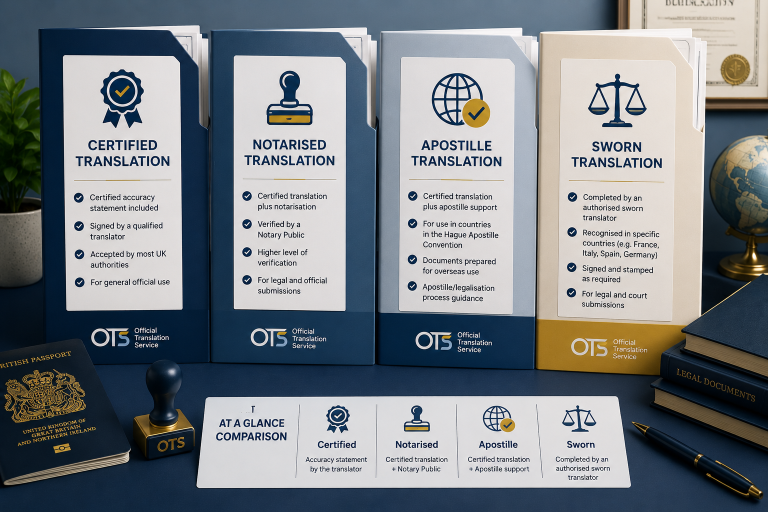
In the UK, a certified translation is often a legal requirement for official documents, including death certificates. A certified translation is an official document that confirms the accuracy of the translation and is typically accompanied by a signed statement from the translator or translation service. This certification assures the recipient that the translation is a true and accurate representation of the original document.
There are several legal requirements for certified translations in the UK. For instance, when submitting documents to the Home Office or UKVI, it is essential that all translations are certified to ensure they meet the necessary legal standards. This is particularly important for immigration applications, where any discrepancies or inaccuracies can lead to delays or denials. Non-certified translations, on the other hand, may not be accepted by these authorities, resulting in the need for additional time and expense to obtain a compliant translation.
The differences between certified and non-certified translations are significant. Certified translations are performed by qualified translators who have the expertise to handle legal terminology and nuances. They often have accreditations that demonstrate their proficiency, such as membership in professional translation organizations. Non-certified translations, however, may be done by anyone and lack the necessary quality assurance. This can lead to errors that could jeopardize legal proceedings or applications.
In summary, obtaining a certified translation of a Mandarin death certificate is not just a formality; it is a legal necessity that ensures compliance with UK regulations. By choosing a certified translation service, individuals can avoid potential pitfalls and ensure that their documents are accepted by the relevant authorities.
The Process of Translating a Mandarin Death Certificate
The process of translating a Mandarin death certificate involves several key steps to ensure accuracy and compliance with legal standards. Here is a step-by-step breakdown of what to expect during the translation process:
- Document Collection: The first step is to gather the original Mandarin death certificate and any additional documents that may be required for context, such as identification of the deceased or the requester.
- Choosing a Translation Service: Selecting a reputable translation service is crucial. Look for services that specialize in certified translations and have experience with legal documents.
- Initial Assessment: The translation service will review the document to assess its complexity and determine the required turnaround time and cost. This may involve a discussion with the client to clarify any specific requirements.
- Translation: A qualified translator will begin the translation process, ensuring that all legal terminology is accurately rendered in English. This step requires a deep understanding of both languages and the legal context of the document.
- Review and Quality Assurance: After the initial translation is completed, a second translator or editor will review the document for accuracy and consistency. This step is essential to catch any potential errors or ambiguities.
- Certification: Once the translation has been thoroughly reviewed, the translation service will provide a certification statement, affirming that the translation is accurate and complete. This statement will typically include the translator’s qualifications and contact information.
- Delivery: The final step is the delivery of the certified translation to the client. This may be provided in both digital and physical formats, depending on the client’s needs.
Throughout this process, clients can expect clear communication from the translation service regarding timelines, costs, and any additional requirements. It is essential to choose a service that prioritizes accuracy and compliance, ensuring that the translated document meets all legal standards.
Choosing the Right Translation Service in the UK
Selecting the right translation service for a Mandarin death certificate is crucial for ensuring accuracy and compliance with legal requirements. Here are several factors to consider when making your choice:
- Specialization: Look for a translation service that specializes in legal translations, particularly those involving death certificates and other vital records. This specialization ensures that the translators are familiar with the specific terminology and requirements.
- Accreditations: Choose a service that employs certified translators who have relevant qualifications and memberships in professional organizations. This can provide assurance of the translator’s expertise and adherence to industry standards.
- Client Reviews and Testimonials: Research client feedback and testimonials to gauge the quality of the service. Positive reviews can indicate a reliable and trustworthy provider.
- Turnaround Time: Inquire about the average turnaround time for translations. Depending on your needs, you may require expedited services, so ensure the provider can accommodate your timeline.
- Cost Transparency: Request a detailed quote that outlines all costs associated with the translation. Be wary of hidden fees and ensure that the pricing aligns with industry standards.
- Customer Support: A responsive customer support team is essential for addressing any questions or concerns throughout the translation process. Choose a service that offers clear communication and assistance when needed.
By carefully considering these factors, individuals can select a translation service that meets their needs and ensures that their Mandarin death certificate is accurately translated and certified.
Common Challenges in Mandarin Death Certificate Translation
Translating a Mandarin death certificate presents unique challenges that require careful consideration. Understanding these challenges can help ensure a smooth translation process and prevent potential issues. Here are some common challenges faced during the translation:
- Language Nuances: Mandarin and English have distinct grammatical structures and vocabulary, which can lead to misunderstandings if not handled properly. For example, certain phrases or terms may not have direct equivalents in English, requiring creative solutions to convey the same meaning.
- Legal Terminology: Death certificates contain specific legal terms that must be accurately translated to maintain their validity. A translator must be well-versed in legal language to ensure that all terms are correctly interpreted and rendered.
- Cultural Considerations: Cultural differences can impact how information is presented in a death certificate. For instance, certain customs or practices related to death may need to be explained in the translation to provide context for English-speaking authorities.
- Formatting Issues: The layout and format of a Mandarin death certificate may differ significantly from that of its English counterpart. Ensuring that the translated document adheres to UK standards while maintaining the original’s integrity is essential.
- Emotional Sensitivity: Translating documents related to death can be emotionally charged. Translators must approach the task with sensitivity and professionalism, ensuring that the final product respects the deceased and their family.
To overcome these challenges, it is advisable to work with a professional translation service that specializes in legal documents and has experience with Mandarin translations. Their expertise will help navigate the complexities of the language and ensure that the final translation is accurate and compliant.
Submitting Your Translated Death Certificate to the Home Office
Once you have obtained a certified translation of your Mandarin death certificate, the next step is to submit it to the Home Office or UKVI. This submission is often required for various legal processes, including immigration applications and estate settlements. Here are the key requirements and steps to ensure acceptance:
- Certification: Ensure that the translation is accompanied by a certification statement from the translator or translation service. This statement should confirm that the translation is accurate and complete.
- Original Document: When submitting the translated death certificate, it is typically necessary to include a copy of the original Mandarin document. This allows the authorities to verify the translation against the original.
- Submission Format: Check the specific submission requirements of the Home Office or UKVI. Some applications may require both digital and physical copies, while others may accept only one format.
- Timeliness: Submit your documents as early as possible to avoid delays in processing. Ensure that all required documents, including the translation, are submitted together to prevent any issues.
- Follow-Up: After submission, keep track of your application status and be prepared to provide additional information or documentation if requested by the authorities.
By adhering to these requirements and ensuring that your translated death certificate meets all necessary standards, you can facilitate a smoother process when dealing with the Home Office or UKVI.
Cost of Mandarin Death Certificate Translation
The cost of translating a Mandarin death certificate can vary based on several factors. Understanding these factors can help individuals budget appropriately for their translation needs. Here are some key elements that influence the cost:
- Length and Complexity: The length of the death certificate and the complexity of the language used can significantly impact the cost. Longer documents or those with intricate legal terminology may require more time and expertise to translate.
- Certification Requirements: Certified translations typically come at a higher price than non-certified translations due to the additional verification and documentation involved. Ensure that you factor in the cost of certification when budgeting.
- Turnaround Time: If you require expedited services, this can also increase the cost. Many translation services offer rush options for an additional fee, so be sure to inquire about this if time is a concern.
- Translation Service Provider: Different translation services have varying pricing structures. It is advisable to obtain quotes from multiple providers to compare costs and services offered.
On average, the cost of a certified translation of a Mandarin death certificate in the UK can range from £50 to £150, depending on the factors mentioned above. It is crucial to choose a reputable translation service that provides transparent pricing and high-quality translations.
Frequently Asked Questions
What is a certified translation of a Mandarin death certificate?
A certified translation is an official document that confirms the accuracy of the translation. It is typically accompanied by a signed statement from the translator or translation service, ensuring that the translation meets legal standards.
How long does it take to translate a Mandarin death certificate?
Typically, it takes 3-5 business days, depending on the service provider and the complexity of the document. Expedited services may be available for urgent requests.
Do I need a certified translation for UKVI?
Yes, UKVI requires certified translations for all official documents, including death certificates, to ensure compliance with legal standards.
What happens if my translation is not accepted?
You may need to get a new translation from a certified provider to meet requirements. It is essential to work with a reputable translation service to avoid this issue.
Can I translate my own Mandarin death certificate?
No, self-translations are not accepted; a certified translator must do it. This ensures that the translation is accurate and meets legal standards.