Chinese Contract Translation UK: Legal Agreements and Documents
Chinese legal contract translation involves converting legal documents from Chinese to English or vice versa, ensuring that the legal terminology and implications are accurately conveyed. Legal contracts are binding agreements that outline the rights and obligations of the parties involved. The significance of precision in legal document translation cannot be overstated; even minor errors can lead to misunderstandings, legal disputes, or financial losses. For instance, a misinterpretation of a clause regarding payment terms could result in delayed payments or legal action.
In the context of the UK, where many businesses engage with Chinese partners or clients, the demand for accurate translations of legal contracts has surged. This is particularly true in sectors such as trade, real estate, and finance, where contracts often involve complex terms and conditions. A competent translation not only ensures compliance with legal standards but also fosters trust between parties by clarifying intentions and obligations. Therefore, understanding the nuances of both languages and their respective legal systems is crucial for any translator working in this field.
Why You Need a Certified Translation
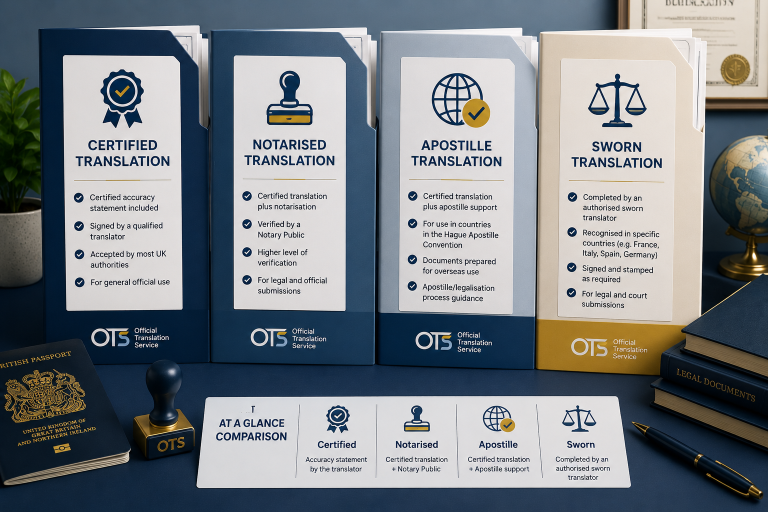
Certified translations are essential when dealing with legal documents, as they provide a guarantee that the translation is accurate and complete. In the UK, many authorities, including the Home Office and UK Visas and Immigration (UKVI), require certified translations for official documents. A certified translation comes with a signed statement from the translator or translation agency, affirming that the translation is a true and accurate representation of the original document.
Certification is particularly important when submitting documents for immigration purposes, legal proceedings, or business contracts. For example, if a Chinese national is applying for a visa to the UK, any legal contracts or documents submitted must be certified to ensure they meet the legal requirements set forth by the UKVI. Failure to provide certified translations can result in delays, rejections, or even legal complications. Thus, understanding when certification is necessary is vital for anyone involved in cross-border legal agreements.
The Process of Translating a Chinese Legal Contract
The translation of a Chinese legal contract typically follows a structured process to ensure accuracy and compliance with legal standards. Here’s a step-by-step overview of this process:
- Initial Assessment: The translator reviews the document to understand its content, context, and specific terminology used.
- Translation: The translator begins translating the document, paying close attention to legal terminology and ensuring that the meaning is preserved.
- Review and Editing: After the initial translation, the document undergoes a thorough review to catch any errors or inconsistencies.
- Certification: Once the translation is complete and reviewed, it is certified by the translator or agency, which includes a signed statement affirming the translation’s accuracy.
- Delivery: The final certified document is delivered to the client, often in both digital and hard copy formats.
Professional translators play a crucial role in this process. They should not only be fluent in both languages but also possess a deep understanding of the legal systems and terminologies involved. This expertise ensures that the translated document is not only linguistically accurate but also legally sound, reducing the risk of disputes arising from misinterpretations.
Common Challenges in Chinese Legal Contract Translation
Translating Chinese legal contracts presents unique challenges due to linguistic nuances and cultural differences. One of the primary challenges is the complexity of legal terminology. Legal terms often do not have direct equivalents in the target language, requiring translators to find the closest possible match while maintaining the original intent. For example, the concept of “consideration” in contract law may not have a direct counterpart in Chinese law, necessitating careful explanation.
Cultural considerations also play a significant role in legal translations. The legal systems in China and the UK differ substantially, which can affect how certain terms and clauses are interpreted. A translator must be aware of these differences to avoid miscommunication. For instance, a clause that is standard in UK contracts may not exist in Chinese contracts, leading to confusion if not properly addressed. Additionally, the use of formal language in legal documents can vary significantly between cultures, requiring a nuanced approach to ensure that the tone and formality are preserved in the translation.
When Chinese Contracts Are Used for Official UK Submissions
If a Chinese-language contract is being used as evidence in an official UK process, check the instructions for that specific application or receiving organisation before arranging the translation. The required language, certification details and supporting documents can vary according to the purpose of the submission.
Common documents requiring translation for Home Office applications include:
- Marriage certificates
- Business contracts
- Property deeds
- Employment contracts
Each of these documents must be accompanied by a certified translation to ensure compliance with Home Office regulations. Failure to provide accurate translations can lead to delays in processing applications or, in some cases, outright rejection. Therefore, it is crucial to engage a professional translation service that specializes in legal documents to navigate these requirements effectively.
Certification and Submission Requirements
Where a translated contract is being submitted as supporting evidence, follow the current instructions for that route. A certification statement may need to identify the translation as complete and accurate and provide information that allows the translation to be verified. The receiving organisation’s wording should take priority over a generic translation template.
To ensure compliance with UKVI standards, the following must be included in the certified translation:
- A signed statement from the translator or translation agency confirming the accuracy of the translation
- The translator’s qualifications and credentials
- A clear indication of the original document’s language
Understanding these requirements is vital for applicants to avoid unnecessary complications during the visa application process. Engaging a certified translation service can help ensure that all documents meet UKVI standards, thereby facilitating a smoother application experience.
Choosing the Right Translation Service
Selecting the appropriate translation service for Chinese legal contract translation is crucial for ensuring quality and compliance. Here are several factors to consider when choosing a translation service:
- Expertise: Look for a service that specializes in legal translations and has a proven track record in translating Chinese legal documents.
- Qualifications: Ensure that the translators are certified and possess relevant qualifications, such as being a member of a recognized translation association.
- Reviews and Testimonials: Check client feedback and testimonials to gauge the quality of the service and their reliability.
- Turnaround Time: Inquire about the typical turnaround time for translations to ensure they can meet your deadlines.
Asking potential translators specific questions about their experience with legal documents and their familiarity with both Chinese and UK legal systems can provide additional assurance of their capabilities. A reputable translation service will be transparent about their processes and willing to address any concerns you may have.
Cost of Chinese Legal Contract Translation in the UK
The cost of translating a Chinese legal contract in the UK can vary significantly based on several factors. Understanding these factors can help clients budget appropriately for their translation needs. Key elements influencing translation costs include:
- Document Length: Longer documents typically require more time and effort to translate, resulting in higher costs.
- Complexity: Legal documents with intricate terminology or specialized content may incur additional fees due to the expertise required.
- Turnaround Time: Urgent requests may attract higher rates, especially if they require expedited service.
Pricing should be confirmed after the complete contract, language direction, formatting, certification requirements and deadline have been reviewed. Longer agreements, specialist terminology and urgent deadlines can affect the amount of work required.
Practical Checks Before a Chinese Contract Translation Is Used
Before using the translated agreement, check that party names, company names, dates, monetary amounts, clause numbering, defined terms, signatures and schedules remain easy to compare with the source. If the contract is part of a wider legal matter, provide the related instructions and any terminology that must remain consistent across documents.
For general legal-document support, see our legal translation services page. If the document is specifically a contract or agreement, the contract translation service explains the commercial workflow and submission options.
Frequently Asked Questions
What is a certified translation of a Chinese legal contract?
A certified translation is an official translation that meets legal requirements and is often required for official use.
How long does it take to translate a Chinese legal contract?
Translation time varies based on document length and complexity, typically ranging from a few days to a week.
What documents require translation for the Home Office?
Documents such as marriage certificates, business contracts, and immigration papers may require translation.
Are there specific UKVI standards for translations?
Yes, UKVI has specific requirements for translations, including certification and accuracy.
How can I ensure my translation is accurate?
Use professional translation services with expertise in legal documents and native speakers of the target language.