Understanding Italian Tax Returns
Italian tax returns, known as “Dichiarazione dei Redditi,” are essential documents that detail an individual’s income, allowable deductions, and taxes owed to the Italian government. These returns are typically filed annually and are crucial for determining tax liabilities. The return includes various sections, such as income from employment, business activities, investments, and other sources. Understanding the intricacies of an Italian tax return is vital for expatriates and individuals dealing with Italian financial matters.
Accurate translation of these documents is paramount, especially for those residing in the UK or applying for various legal statuses. A poorly translated tax return can lead to misunderstandings with tax authorities or even legal issues. For instance, if an individual is applying for a visa or residency based on their financial status, inaccuracies in the translation could jeopardize their application. Thus, ensuring that the translation captures all nuances and technical terms is critical.
Moreover, the importance of precise translation extends beyond mere compliance; it is also about maintaining credibility and transparency in financial dealings. For individuals who have lived and worked in Italy, their tax returns reflect their financial history and obligations. Therefore, when translating these documents, it is essential to engage a qualified translator who understands both the Italian tax system and the legal requirements in the UK.
Why You Need an Italian Tax Return Translation in the UK
When an Italian tax return is submitted to a UK authority, lender, solicitor, accountant, employer or immigration decision-maker, translation requirements depend on the receiving organisation and the purpose of the document. Certification is often requested for formal submissions, but it should not be assumed for every use case.
Common scenarios requiring an Italian tax return translation include:
- Visa Applications: When applying for a visa or residency in the UK, applicants may need to demonstrate their financial stability through their Italian tax returns.
- Legal Proceedings: Individuals involved in legal matters, such as inheritance or property disputes, may need to present their tax returns as part of the documentation.
- Financial Institutions: Banks and other financial institutions may require a translated tax return for loan applications or other financial services.
Failure to provide a proper translation can lead to delays or rejections in applications, making it essential for individuals to understand the necessity of accurate translations. Engaging a certified translation service can help ensure compliance with UK regulations and facilitate smoother processing of documents.
Certified Translation for Italian Tax Returns
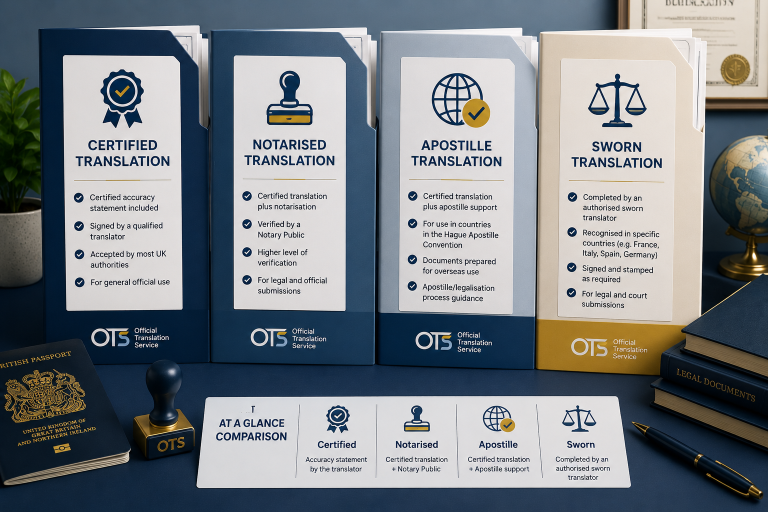
A certified translation includes a signed statement confirming that the translation is accurate and complete. In the UK there is no single universal sworn-translator system for every document, so the certification format should follow the recipient’s requirements.
To obtain a certified translation of an Italian tax return, individuals should follow these steps:
- Select a Qualified Translator: Choose a translator or a translation service that specializes in financial or legal documents, particularly those familiar with Italian tax law.
- Provide the Original Document: Submit the original Italian tax return along with any specific instructions regarding the translation.
- Review the Translation: Once the translation is completed, review it for accuracy and completeness. It is advisable to have a second pair of eyes look over the document.
- Receive Certification: The translator will provide a certification statement, which may include their qualifications and contact information, confirming the translation’s accuracy.
Having a certified translation is particularly important for official submissions, as it assures the receiving authority of the document’s legitimacy and accuracy.
The Process of Translating an Italian Tax Return
The translation process for an Italian tax return involves several key steps to ensure that the final document is both accurate and compliant with UK standards. Understanding this process can help individuals better prepare for their translation needs.
Here are the steps involved:
- Initial Assessment: The translator will review the original tax return to understand its structure, terminology, and any specific requirements for the translation.
- Translation: The translator will then proceed to translate the document, paying close attention to financial terminology and ensuring that all figures and data are accurately represented.
- Proofreading: After the initial translation, a second translator or editor will proofread the document to catch any errors or inconsistencies.
- Certification: Once the translation is finalized, the translator will provide a certification statement, confirming the accuracy of the translation.
Choosing the right translation service is crucial. Look for services that specialize in certified translations and have experience with tax documents. This ensures that the translator is familiar with the specific terminology and requirements associated with Italian tax returns.
Italian Tax Return Translation for Home Office Applications
Some immigration routes may use financial evidence such as tax records, while others do not. If an Italian tax return is being submitted and it is not in English or Welsh, check the current guidance for the specific visa route and provide the translation details required for that route.
Key requirements for Home Office applications include:
- Complete translation: Translate the relevant content in full, including tables, notes and financial figures.
- Verification details: Where the immigration route requires a certified translation, include the accuracy confirmation, date, translator’s full name and signature, and contact details requested by the guidance.
- Document structure: Keep tables, headings and figures clear enough for the translated return to be compared with the source.
The financial evidence required varies by immigration route and by the income or funds being relied on. Check the current application guidance before deciding which tax returns, bank statements, payslips or other records to submit.
Where translated financial evidence is required, a complete and correctly certified translation helps the decision-maker review the document, but it does not guarantee the outcome of the application.
UKVI Requirements for Italian Tax Return Translations
UK immigration translation requirements are route-specific. Do not rely on a generic “UKVI standard” if the tax return is supporting a particular application; check the current guidance for that route.
Key UKVI standards include:
- Accuracy: The translation should reflect the original document without omissions or invented interpretation.
- Route-specific certification: Include the certification details required by the immigration route where applicable.
- Financial terminology: Use a translator familiar with Italian-English tax and financial terminology.
For immigration use, compare the finished translation with the current guidance for the specific route before submission.
Cost Factors for Italian Tax Return Translations
The cost of translating an Italian tax return can vary significantly based on several factors. Understanding these factors can help individuals budget appropriately for their translation needs.
Factors that influence the cost include:
- Length of the Document: Longer tax returns will naturally cost more to translate due to the increased time and effort required.
- Complexity: Documents with complex financial terminology may require specialized translators, which can increase costs.
- Urgency: If a quick turnaround is needed, many translation services charge a premium for expedited services.
Pricing depends on page count, language pair, financial complexity, formatting and certification requirements. See our current certified translation prices or submit the tax return for an exact quote.
Choosing the Right Translation Service
Selecting the right translation service for your Italian tax return is crucial to ensure accuracy and compliance with UK regulations. Here are some key considerations when choosing a service:
- Specialization: Look for a service that specializes in financial or legal translations, particularly those familiar with Italian tax documents.
- Relevant expertise: Check that the provider has Italian-English financial-document experience and can provide the certification format required by the recipient.
- Reviews and Testimonials: Check for reviews or testimonials from previous clients to gauge the quality of their work.
- Customer Service: A responsive and helpful customer service team can make the process smoother and more efficient.
Choose a provider with a clear workflow for financial terminology, figures, tables, quality checks and certification where required.
Common Challenges in Italian Tax Return Translation
Translating an Italian tax return presents several challenges, particularly due to the complexity of financial terminology and the nuances of the Italian tax system. Being aware of these challenges can help individuals prepare for the translation process.
Common challenges include:
- Language Nuances: Italian tax terminology may not have direct equivalents in English, requiring careful consideration and adaptation.
- Technical Terms: Understanding specific financial terms and their implications is crucial for accurate translation.
- Document Structure: The layout and format of tax returns can differ significantly between countries, necessitating adjustments in presentation.
To overcome these challenges, individuals should choose a translator with expertise in financial documents and ensure open communication regarding any specific concerns or requirements. This proactive approach can help mitigate potential issues during the translation process.
Conclusion and Next Steps
Translating an Italian tax return is a critical step for individuals navigating financial and legal matters in the UK. Understanding the requirements, processes, and challenges associated with this task can help ensure a smooth experience. From obtaining a certified translation to complying with UKVI and Home Office standards, every detail matters.
If you are in need of an Italian tax return translation, consider reaching out to a certified translation service that specializes in financial documents. Doing so will not only ensure compliance but also provide peace of mind knowing your documents are handled by professionals.
For more information or to get a quote for your translation needs, contact us today.
Frequently Asked Questions
What is an Italian tax return?
A document detailing an individual’s income and taxes owed in Italy.
Why is certified translation necessary for tax returns?
Certification can be required for formal submissions because it provides a signed accuracy statement, but the receiving organisation decides what format it accepts.
How long does it take to translate an Italian tax return?
Turnaround depends on page count, complexity, formatting and certification requirements.
What documents are needed for Home Office applications?
Your Italian tax return and any supporting financial documents.
Can I translate my own tax return?
Self-translation may not satisfy a formal recipient. Check whether the organisation receiving the tax return requires an independently certified translation.
Italian Tax Return Translation for UK Use
For financial, legal, mortgage, immigration or business use, send the complete return rather than isolated pages so figures, tax headings and notes can be translated consistently. See our tax return translation service or send the document online.