Understanding the Importance of Korean Translation for UK Immigration
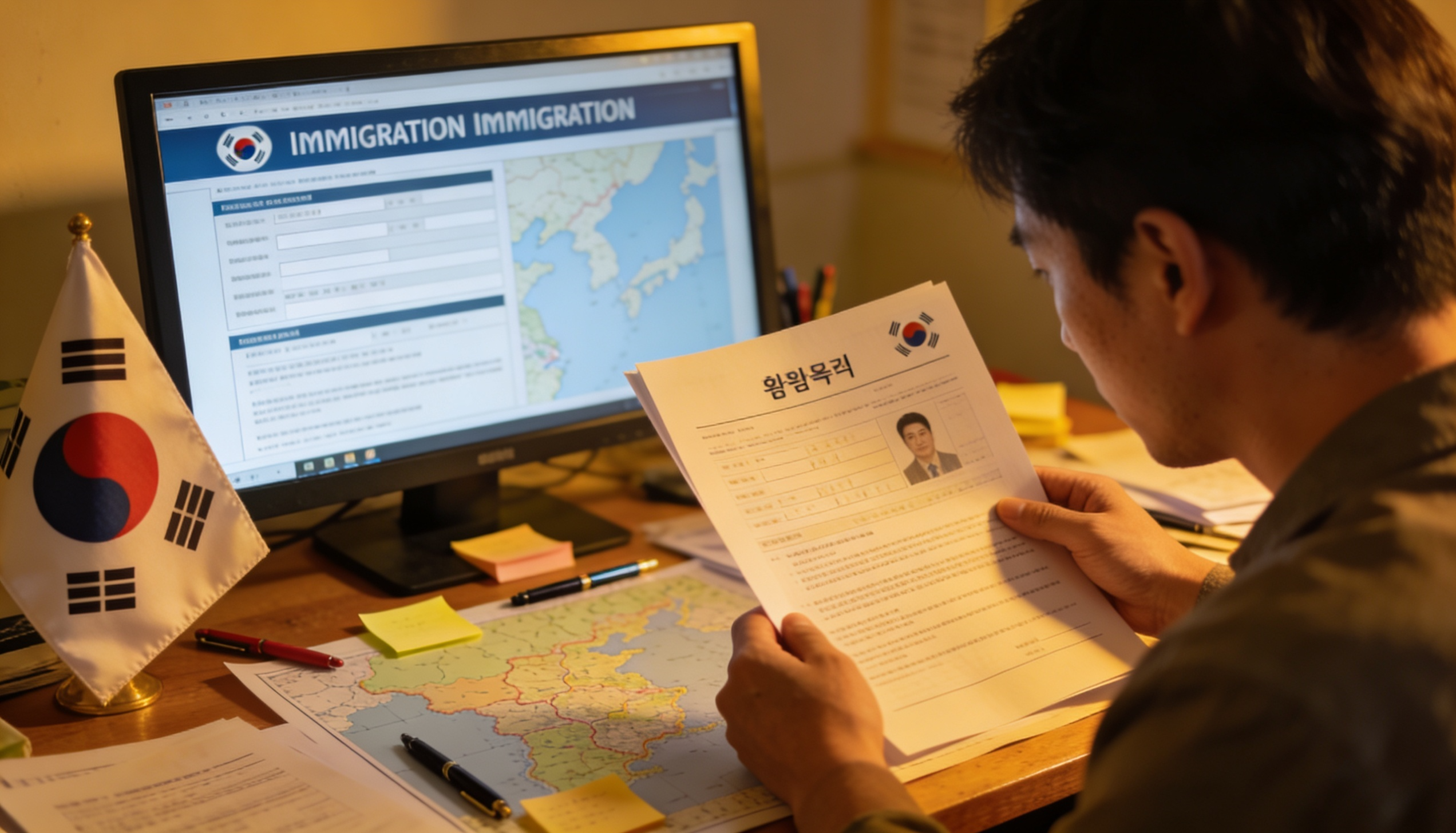
Accurate translation is a crucial element in the immigration process for Korean nationals seeking to move to the UK. The UK immigration system is known for its stringent requirements, and any discrepancies in documentation can lead to delays or even rejections of visa applications. For Korean immigrants, the challenge is often compounded by language barriers and cultural differences, which can affect the interpretation of legal and official documents. Therefore, having precise translations is not just a formality; it is a necessity that can significantly influence the outcome of immigration applications.
Common challenges faced by Korean immigrants include the need to translate various documents such as birth certificates, marriage licenses, educational qualifications, and financial statements. Each of these documents must be translated accurately to reflect the original meaning and context. Misinterpretations can lead to serious consequences, such as visa denials or complications in the application process. For instance, a mistranslated birth certificate could result in questions about an applicant’s identity or family relationships, which are critical factors in immigration assessments.
For UK immigration applications, translation requirements depend on the specific route and evidence being submitted. Where Korean evidence needs translation, follow the current application guidance for the required verification details and use a provider with appropriate Korean-English and document-specific expertise.
Types of Korean Translations Required for UK Immigration
Applicants should translate the Korean documents that are actually required as evidence for their visa route. The document list varies by route and circumstances, so translating every document by default can create unnecessary work.
- Korean translation for visa applications: Translate only the supporting evidence required by the relevant route. This may include civil-status, financial, academic or other documents depending on the application.
- Korean documents for Home Office use: If required evidence is not in an accepted language, follow the translation and verification details stated in the current route guidance. Do not assume police certificates, medical reports or other documents are required for every application.
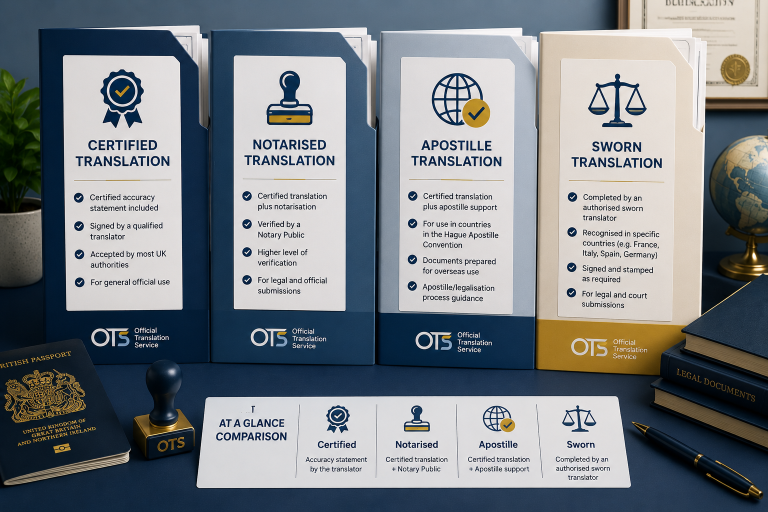
- Korean UKVI translation requirements: The translation should faithfully represent the required source document, including relevant stamps, seals and annotations, and should contain the certification details requested by the application guidance.
In addition to these specific types of translations, it is crucial for applicants to be aware of the overall requirements set by the UK Home Office. This includes ensuring that translations are completed in a timely manner, as delays can impact the immigration process. Understanding these various translation requirements can help Korean immigrants navigate the complexities of UK immigration more effectively.
Choosing a Certified Korean Translator for Immigration Purposes
The provider should have strong Korean-English language competence and experience with the document type being translated. Professional accreditation can be a useful quality signal, but there is no universal Home Office rule that every certified translation must come from a member of a particular body.
To ensure that you are working with a qualified translator, consider the following:
- What matters when choosing a provider? Look for relevant Korean-English competence, experience with immigration or official documents, and the ability to supply the certification details requested for the route. ITI or CIOL membership may be useful but is not universally mandatory.
- How to choose a translation provider: The Home Office does not operate a universal list of approved translators for every immigration route. Choose a provider that can meet the current route requirements and clearly identify the translation and responsible provider.
- Importance of Using Certified Translations: Using a certified translator ensures that the translations meet the legal requirements set by the Home Office. Certified translations come with a declaration of accuracy, which is crucial for the acceptance of documents during the immigration process. Submitting non-certified translations can lead to delays, rejections, or additional scrutiny of the application.
In conclusion, selecting a certified Korean translator is a critical step in the immigration process. It not only enhances the credibility of your application but also ensures compliance with the legal standards required by the UK Home Office.
The Process of Getting Korean Documents Translated for UK Immigration
Obtaining certified translations for Korean documents involves several steps, each designed to ensure accuracy and compliance with immigration requirements. Understanding this process can help applicants prepare effectively.
- Steps to Prepare Your Documents for Translation: Begin by gathering all the necessary documents that require translation. This may include birth certificates, marriage licenses, educational qualifications, and any other relevant paperwork. Ensure that all documents are complete and legible, as any missing information can lead to complications during translation.
- Choosing a Translation Service: After preparing your documents, select a certified translation service that specializes in immigration-related translations. Verify their credentials and ensure they have experience with Korean to English translations. Request quotes and timelines to compare different services.
- Submitting Your Documents: Once you have chosen a translation service, submit your documents along with any specific instructions regarding the translation. It is essential to communicate any particular requirements or deadlines to ensure that the translation meets your needs.
- Reviewing the Translations: After the translation is completed, review the documents for accuracy. If possible, have a bilingual individual check the translations to ensure that they accurately reflect the original documents. This step is crucial, as any errors could jeopardize your immigration application.
- Receiving Certified Translations: The final translations will be accompanied by a signed declaration from the translator, affirming the accuracy and completeness of the translations. Ensure that you keep both the original documents and the certified translations together for submission to the Home Office.
Translation timeline: Turnaround depends on document length, legibility, terminology, formatting and certification requirements. Send the complete files and deadline for a confirmed timeframe.
Cost considerations: Pricing depends on the number and length of documents, language direction, complexity, formatting and certification requirements. Use the published translation prices or submit the files for an exact quote.
Common Mistakes to Avoid in Korean Translations for Immigration
When it comes to translating documents for immigration purposes, certain pitfalls can lead to complications or even rejections of visa applications. Awareness of these common mistakes can help applicants avoid unnecessary issues.
- Misinterpretations that Can Lead to Visa Rejections: One of the most significant risks is misinterpretation of key terms or phrases. For example, translating legal terminology incorrectly can lead to misunderstandings regarding an applicant’s status or eligibility. It is crucial to work with a translator who understands the specific legal context of immigration documents.
- Importance of Context in Translations: Translations should not only be literal but should also convey the intended meaning and context. For instance, cultural nuances may affect how certain information is presented. A skilled translator will be able to navigate these nuances to provide a translation that accurately reflects the original document’s intent.
- How to Ensure Accuracy in Translations: To ensure accuracy, it is advisable to have translations reviewed by a second translator or a bilingual individual familiar with both languages. This additional layer of verification can help catch any errors or ambiguities before submission.
In summary, avoiding common translation mistakes is vital for a successful immigration application. By being aware of potential pitfalls and ensuring that translations are completed by qualified professionals, applicants can enhance their chances of a smooth immigration process.
Frequently Asked Questions
What documents need translation for UK immigration?
Only the evidence required by the specific immigration route needs to be submitted. Translate required Korean-language evidence according to that route’s current instructions.
How long does the Korean translation process take?
Timing depends on the actual documents and certification requirements. Send the complete files and deadline for a confirmed turnaround.
Can I translate documents myself for immigration purposes?
If the route requires an independently verifiable or certified translation, a self-translation may not meet the requirement. Follow the current instructions for the application being made.
What if my translation is rejected by the Home Office?
If a translation is queried, first check the reason given and the relevant route guidance. You may need a corrected or replacement translation, but that does not automatically create a separate right of appeal.
How to appeal a translation decision?
Any review or appeal rights depend on the immigration decision and route, not simply on the translation itself. Use the instructions provided with the decision and obtain legal advice where appropriate.
Need Korean documents translated for a UK application?
See our UKVI translation service or send the documents online with the visa route and deadline.