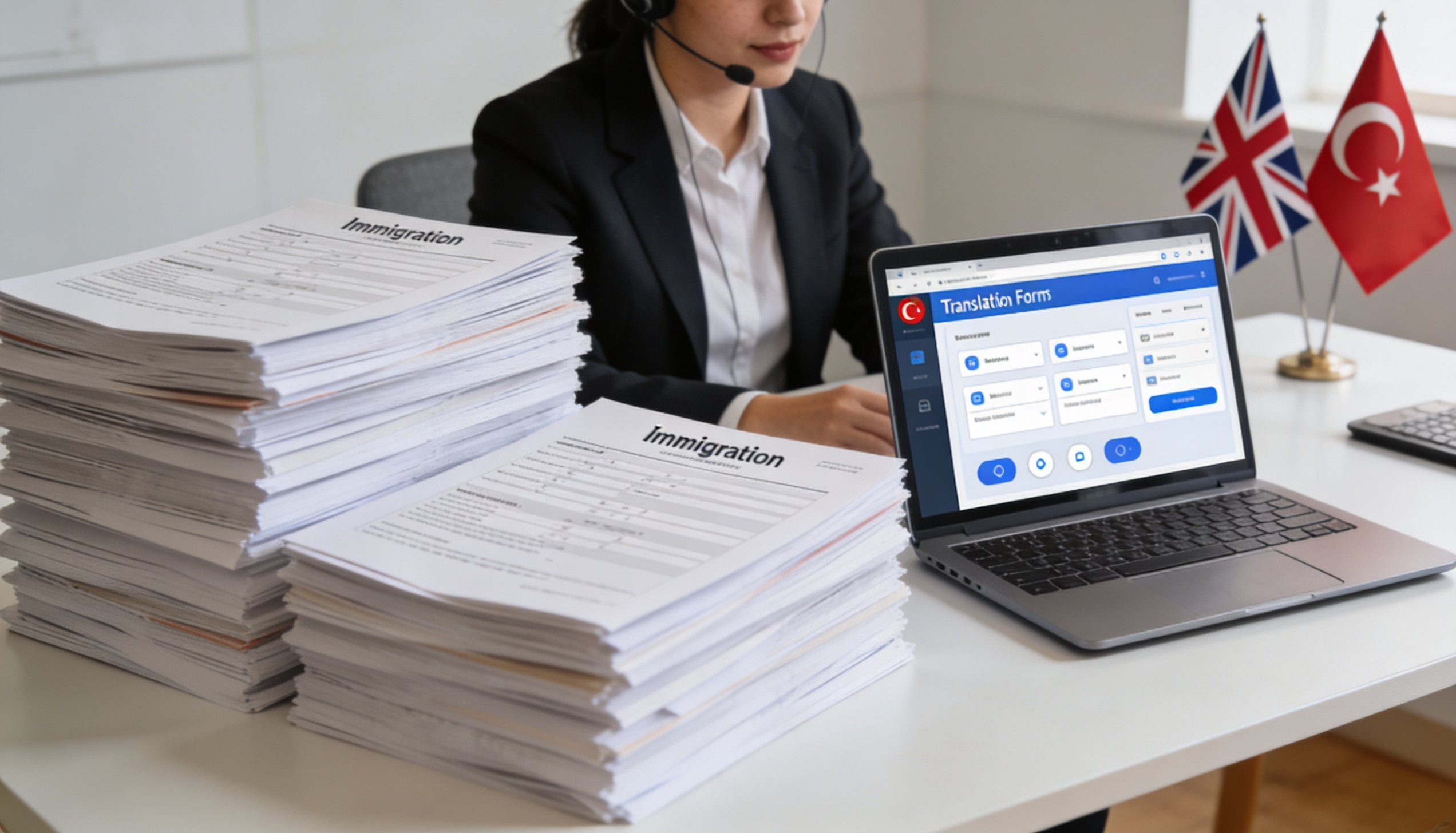
Understanding Turkish Translation for UK Immigration
Accurate Turkish-to-English translation can be important for UK immigration applications when required supporting evidence is not in English or Welsh. The documents that need translation, and the certification details that must accompany them, depend on the visa route and the evidence being submitted. Incomplete or inaccurate translations can lead to questions or delays, so applicants should follow the current guidance for their specific route.
Common translated evidence can include civil-status records, educational documents, financial evidence, police certificates or other route-specific records. Not every applicant needs every document type. Translate the evidence relevant to the application and use the certification format stated in the current route guidance.
For Turkish documents, names, dates, issuing authorities, stamps and document-specific terminology need careful handling. A translator with Turkish-to-English and relevant document experience can help keep the translation consistent with the source and suitable for the intended submission.
Overall, the importance of accurate Turkish translation for UK immigration cannot be overstated. It is a vital step in ensuring that applicants can navigate the complexities of the immigration process smoothly and successfully.
Types of Turkish Translations Required for UK Immigration
When applying for UK immigration, Turkish applicants will encounter various types of documents that require translation. Understanding these documents and their specific translation needs is essential for a successful application process.
- Turkish translation for visa applications: Translate the non-English or non-Welsh documents that are required for the particular route or that you are relying on as relevant evidence. Names, dates, places and document identifiers should be represented consistently.
- Additional Home Office evidence: If further evidence is requested and it is not in English or Welsh, check the request and route guidance to determine whether a translation and certification statement are needed.
- UKVI translation details: Requirements vary by route. Where certification is required, follow the current instructions for the wording and translator or translation-service information that should accompany the translation.
Each type of translation serves a unique purpose in the immigration process, and it is essential for applicants to ensure that they are using a qualified translator who understands the specific requirements set forth by the UK government.
Choosing a Certified Translator for Immigration Purposes
For immigration documents, choose a translator or translation service with relevant Turkish-to-English experience and a clear certification process. Professional accreditation can be a useful quality signal, but there is no single UK government licensing scheme that every immigration translator must belong to.
- What qualifies as a certified translation: In UK practice, certification normally means the translation is supplied with a statement confirming responsibility for its accuracy and completeness. The exact details required depend on the recipient and route.
- Choosing a translator: The Home Office does not operate a universal public list of “approved translators” for all visa routes. Check the route requirements, the provider’s relevant experience and the certification information they will supply.
- Certification for visa applications: Where the route requires a certified translation, make sure the supplied certification matches that route’s current instructions. Do not rely on generic “UKVI approved” wording.
Choosing the right certified translator can make a significant difference in the immigration process, ensuring that all documents are correctly translated and certified, thus minimizing the risk of complications.
The Process of Obtaining Turkish Translations for Immigration
Obtaining Turkish translations for immigration purposes involves several steps, each of which is essential for ensuring that the documents are correctly translated and submitted on time. Here’s a breakdown of the process:
- Steps to Prepare Documents for Translation: Before engaging a translator, applicants should gather all necessary documents that require translation. This includes personal identification, educational qualifications, and any legal documents. It is advisable to make copies of the original documents and highlight any sections that may require special attention during translation.
- Choosing a Qualified Translator: As discussed earlier, selecting a certified translator is crucial. Applicants should verify the translator’s credentials and ensure they have experience with immigration-related documents. This can often be done through professional associations or by checking online reviews.
- Submitting Documents for Translation: Once a translator has been selected, the applicant should submit the documents along with any specific instructions regarding the translation. This may include formatting requirements or particular terminology that needs to be adhered to.
- Timeline for translation services: Turnaround depends on document volume, language pair, legibility, formatting and certification needs. Confirm the deadline after the files have been reviewed.
- Common Challenges in the Translation Process: Applicants may encounter challenges such as unclear handwriting on original documents, complex legal terminology, or inconsistencies in the source material. It is essential to communicate any potential issues to the translator upfront to ensure that they can address them effectively.
By following these steps, Turkish applicants can streamline the process of obtaining translations, ensuring that all documents are accurately translated and ready for submission to the UK immigration authorities.
Cost Considerations for Turkish Translation Services
The cost of Turkish translation services for immigration purposes can vary significantly based on several factors. Understanding these factors can help applicants budget effectively for their translation needs:
- Factors Affecting Translation Costs: The primary factors that influence translation costs include the complexity of the documents, the length of the text, and the urgency of the request. More complex documents, such as legal contracts or medical records, may require specialized knowledge, which can increase costs.
- Pricing for certified translations: Cost depends on document length, complexity, language pair, formatting and urgency. Request a quote based on the actual files rather than relying on a generic per-document range.
- Budgeting for Immigration-Related Translations: Applicants should include translation costs in their overall immigration budget. It is also wise to account for potential additional costs, such as notarization or expedited services, which may be necessary depending on the specific requirements of the visa application.
By understanding the cost considerations involved in obtaining Turkish translations for UK immigration, applicants can make informed decisions and ensure they are adequately prepared financially.
Common Mistakes to Avoid in Turkish Translations for Immigration
When it comes to Turkish translations for UK immigration, avoiding common mistakes can be the difference between a successful application and a rejected one. Here are some pitfalls to watch out for:
- Errors That Can Lead to Visa Delays: Simple errors in translation, such as misspellings or incorrect dates, can lead to significant delays in the visa application process. It is essential to have all translations double-checked for accuracy before submission.
- Importance of Context in Translation: Translators must understand the context of the documents they are translating. For example, legal terminology may have different implications in Turkish compared to English. Providing background information to the translator can help ensure that the context is accurately conveyed.
- How to Ensure Accuracy and Completeness: To ensure that translations are accurate and complete, applicants should work closely with their chosen translator. This includes providing any necessary clarifications and being available for questions during the translation process.
By being aware of these common mistakes, Turkish applicants can take proactive steps to avoid pitfalls and enhance their chances of a successful immigration application.
Frequently Asked Questions About Turkish Translation for UK Immigration
What is a certified translation for UK immigration?
A certified translation is an official translation that is accompanied by a signed statement from the translator or translation agency attesting to its accuracy.
How long does it take to get Turkish translations for immigration?
Turnaround depends on the documents, language pair, formatting and certification requirements. Confirm timing after the files have been reviewed.
Can I use a non-certified translation for my visa application?
Follow the current rules for the visa route. Where a certified translation is required, a translation without the requested certification details may not satisfy the evidence requirements.
What documents usually require Turkish translation for immigration?
Common documents include birth certificates, marriage certificates, academic transcripts, and legal documents.
How can I verify the credentials of a translator?
Check relevant translation experience, the certification statement they provide and, where useful, professional memberships or qualifications. Note that NRPSI is primarily a register for public-service interpreters rather than a universal certification body for written immigration translations.
For related support, see our UKVI certified translation service and Turkish certified translation page.