Understanding Lithuanian Certified Translation
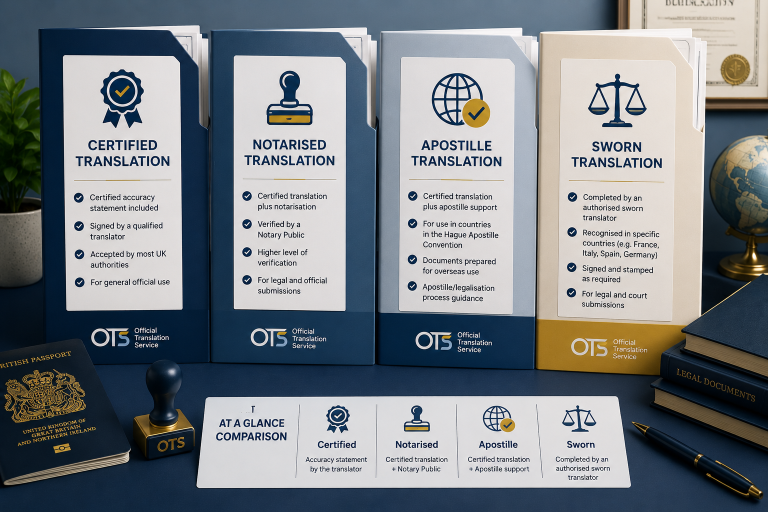
Lithuanian certified translation is a Lithuanian-to-English or English-to-Lithuanian translation supplied with certification details when the receiving organisation requires them. The exact format depends on the visa route, court, university, employer or other recipient, so the safest approach is to check its current instructions before ordering.
A Lithuanian certified translation service can prepare personal, legal, academic and immigration documents in the format requested by the recipient. Certification supports verification of the translation; it does not guarantee acceptance, which remains a decision for the organisation receiving the document.
Furthermore, certified translations come with a signed statement of accuracy from the translator, attesting that the translation is a true and faithful representation of the original document. This certification provides an additional layer of trust and credibility, making it indispensable for individuals navigating complex legal or official processes. In essence, Lithuanian certified translation serves as a bridge between cultures and legal systems, facilitating communication and understanding in critical situations.
What Is Lithuanian Translation?
The Lithuanian language, a Baltic language spoken by approximately 3 million people, is one of the official languages of the European Union. It has a rich linguistic heritage, characterized by its complex grammar and phonetics, which can pose challenges for translation. Understanding the nuances of the Lithuanian language is essential for producing high-quality translations that accurately convey the intended message.
Common contexts for Lithuanian translation include legal documents, academic papers, business communications, and personal documents. For instance, individuals may require translation services for immigration purposes, where documents such as passports, birth certificates, and marriage certificates must be accurately translated and certified. In the academic realm, students may need their transcripts or diplomas translated for admission into UK educational institutions. Similarly, businesses engaging with Lithuanian partners or clients may require translation of contracts, marketing materials, and correspondence to ensure clear communication.
Given the importance of context in translation, professional translators with expertise in Lithuanian are essential. They must not only be fluent in both Lithuanian and English but also possess an understanding of the cultural and legal implications of the documents they are translating. This expertise ensures that the translated text is not only linguistically accurate but also culturally appropriate.
Requirements for Lithuanian Certified Translation in the UK
There is no single certification rule that applies to every Lithuanian document used in the UK. The translation should be complete and accurate, and where certification is requested it should include the identifying and accuracy details specified by the receiving organisation.
In addition to qualifications, the translator must provide a signed statement of accuracy. This statement certifies that the translation is a true and faithful representation of the original document. It is crucial for this statement to be included when submitting documents to authorities, as it validates the authenticity of the translation.
Documentation needed for certification typically includes:
- The original document in Lithuanian
- The translated document in English
- A signed statement of accuracy from the translator
Some organizations may also require additional documentation, such as proof of the translator’s qualifications or experience. It is advisable to check with the specific institution or authority to ensure all requirements are met.
Moreover, the translation must be completed in a format that is acceptable to the requesting party. This often means adhering to specific formatting guidelines or including certain elements, such as stamps or seals, to enhance the document’s credibility.
The Process of Obtaining a Lithuanian Certified Translation
The process of obtaining a Lithuanian certified translation involves several key steps to ensure that the final product meets all necessary legal and professional standards. Here is a breakdown of the typical process:
- Initial Consultation: Contact a certified translation service to discuss your needs. Provide details about the documents that require translation, including the type of document, the purpose of the translation, and any specific requirements from the receiving authority.
- Quotation: After assessing your needs, the translation service will provide a quote based on the complexity of the documents, the length of the text, and the turnaround time required.
- Document Submission: Submit the original Lithuanian documents along with any additional information that may assist the translator in providing an accurate translation.
- Translation: A qualified translator will begin the translation process, ensuring that all nuances and legal terminologies are accurately conveyed. This stage may involve research and consultation with legal experts to ensure precision.
- Review and Certification: Once the translation is complete, it will undergo a review process to ensure accuracy and consistency. After review, the translator will provide a signed statement of accuracy, certifying that the translation is a true and faithful representation of the original document.
- Delivery: The final certified translation will be delivered to you in the agreed format, which may include physical copies or digital files. Ensure that you verify the document for completeness and correctness upon receipt.
Turnaround depends on the document length, language direction, legibility and certification requirements. Send the complete file and deadline for a confirmed timeframe rather than relying on a generic estimate.
Costs associated with certified translations also vary depending on factors such as the length of the document, the urgency of the request, and the specific requirements of the translation service. It is beneficial to obtain quotes from multiple providers to ensure competitive pricing while maintaining quality.
Common Uses of Lithuanian Certified Translations
Lithuanian certified translations are utilized in various contexts, each requiring a high degree of accuracy and professionalism. Here are some of the most common applications:
- Immigration: One of the primary uses of certified translations is for immigration purposes. Individuals applying for visas, residency, or citizenship in the UK must submit various documents, including birth certificates, marriage certificates, and legal documents, all of which need to be accurately translated and certified.
- Legal Proceedings: Certified translations are essential in legal contexts, such as court cases or arbitration. Documents like contracts, affidavits, and witness statements must be translated with precision to ensure that all parties understand their rights and obligations.
- Academic Applications: Students seeking admission to UK educational institutions often require certified translations of their academic records, diplomas, and transcripts. Accurate translations ensure that institutions can assess applicants fairly and appropriately.
- Business Transactions: Companies engaging in business with Lithuanian partners may require certified translations of contracts, agreements, and marketing materials. This ensures that all parties are on the same page and helps prevent misunderstandings that could lead to disputes.
In each of these scenarios, the accuracy and reliability of the translation are paramount. A certified translation not only facilitates communication but also provides legal protection and credibility in official matters.
Choosing the Right Translation Service for Lithuanian Certified Translation
When selecting a translation service for Lithuanian certified translation, several factors should be considered to ensure that you receive high-quality and reliable translations:
- Qualifications and Experience: Ensure that the translators are qualified and experienced in both Lithuanian and English. Look for certifications from recognized translation bodies or relevant qualifications in linguistics or translation studies.
- Specialization: Choose a service that specializes in certified translations, particularly in the legal or academic fields, depending on your needs. Specialized translators are more likely to understand the nuances and requirements of specific documents.
- Client Testimonials and Reviews: Research client feedback and testimonials to gauge the quality of service provided. Positive reviews can indicate a reliable and reputable translation service.
- Turnaround Times: Inquire about the typical turnaround times for certified translations. Ensure that the service can meet your deadlines, especially for time-sensitive documents.
- Cost: While cost should not be the sole determining factor, it is essential to obtain quotes from multiple providers to ensure competitive pricing. Be wary of services that offer significantly lower prices, as this may compromise quality.
By carefully evaluating these factors, you can select a translation service that meets your needs and provides a high-quality Lithuanian certified translation that is both accurate and legally valid.
Frequently Asked Questions
What is Lithuanian certified translation?
A Lithuanian certified translation is a translation supplied with certification details for a recipient that asks for them. Requirements differ between organisations and submission routes.
What are the requirements for Lithuanian certified translation in the UK?
The receiving organisation decides what certification details it requires. A certification statement commonly identifies the translation provider and confirms the accuracy of the translation.
Why is certified translation important?
Certification helps a recipient verify who prepared the translation and how it was certified, but it does not guarantee acceptance of the underlying document.
How long does it take to get a Lithuanian certified translation?
Timing depends on the document, language direction and required certification. Confirm the deadline when sending the file.
Can I use a non-certified translation for official purposes?
Not universally. Some recipients require a certified translation and others specify a different format. Check the current instructions for the organisation receiving the document.
Need a Lithuanian document translated?
Review our Lithuanian certified translation service or send the document online with the recipient’s requirements and your deadline.