Understanding the Need for Sinhala to English Translation in the UK
Sinhala to English translation in the UK is commonly needed when a receiving organisation cannot use a Sinhala-language document as submitted. The exact requirement depends on the visa route, university, employer, court or other recipient. For immigration applications, applicants should follow the current route-specific instructions rather than assume every document requires the same translation format.
Common scenarios necessitating translation include visa applications, residency permits, and citizenship applications. For instance, when applying for a spouse visa, applicants must provide translated versions of their marriage certificates, birth certificates, and other personal documents. These translations must not only be accurate but also certified to meet UKVI standards. Failure to provide properly translated documents can lead to delays in processing or outright rejection of applications.
Legal documents such as contracts, affidavits and court orders may also need translation when they are used in proceedings or submitted to a solicitor, court or authority. A translation should accurately reflect the source document; it does not itself give the translated document additional legal weight or guarantee that a recipient will accept it.
In summary, the demand for Sinhala to English translation services in the UK is driven by legal requirements and the need for clear communication in various official contexts. Engaging a certified translation service ensures that individuals can navigate these processes smoothly and effectively.
Types of Documents That Require Translation
When it comes to Sinhala document translation, several types of documents frequently require translation for official use in the UK. Understanding these documents is crucial for anyone looking to submit accurate translations for immigration or legal purposes.
- Birth Certificates: Birth certificates are often required for immigration applications, school enrollments, and other legal processes. A certified translation ensures that all details, including names, dates, and places, are accurately conveyed.
- Marriage Certificates: For those applying for spousal visas or residency based on marriage, a translated marriage certificate is essential. This document must reflect the original’s details, including the names of both parties, the date of marriage, and the location.
- Academic Transcripts: Students seeking admission to UK educational institutions must provide translated academic transcripts. These documents need to accurately represent the grades, courses, and institution details, as they play a significant role in the admission process. For more information, see our guide on Academic Transcript Translation for UK Visa Applications.
- Legal Contracts: Legal documents such as contracts, agreements, and court orders often require translation for use in legal proceedings. These translations must maintain the integrity of the original text to ensure they are legally binding in the UK.
In addition to these common documents, there are many other types that may require translation, including adoption papers, divorce decrees, and financial records. It is essential to consult with a certified translation service to determine the specific requirements for each document type.
The Sinhala Document Translation Process
The process of translating documents from Sinhala to English involves several critical steps to ensure accuracy and compliance with UK standards. Understanding this process can help individuals prepare their documents effectively.
- Document Preparation: The first step is to gather all necessary documents that require translation. Ensure that the documents are clear, legible, and complete. Any missing information can lead to delays in the translation process.
- Choosing the Right Translation Service: Selecting a reputable translation service is crucial. Look for services that specialize in certified translations and have experience with the specific type of documents you need. Verify their credentials and check for client reviews to ensure quality.
- Translation Process: Once you have selected a translation service, submit your documents for translation. Professional translators will convert the text while maintaining the original meaning and context. It’s important to communicate any specific requirements or terminology that should be used.
- Quality Assurance: After translation, the document should undergo a quality assurance process. This may involve proofreading and editing to catch any errors or inconsistencies. Some services also offer a second translator to review the work for added accuracy.
- Certification: Once the translation is complete, the service will provide a certified translation. This certification includes a statement attesting to the accuracy of the translation and is essential for legal and official use.
Throughout this process, it is vital to emphasize the importance of accuracy and cultural nuances. A professional translator should not only be fluent in both languages but also understand the cultural context to ensure that the translation is appropriate and effective.
Certified Translation: What You Need to Know
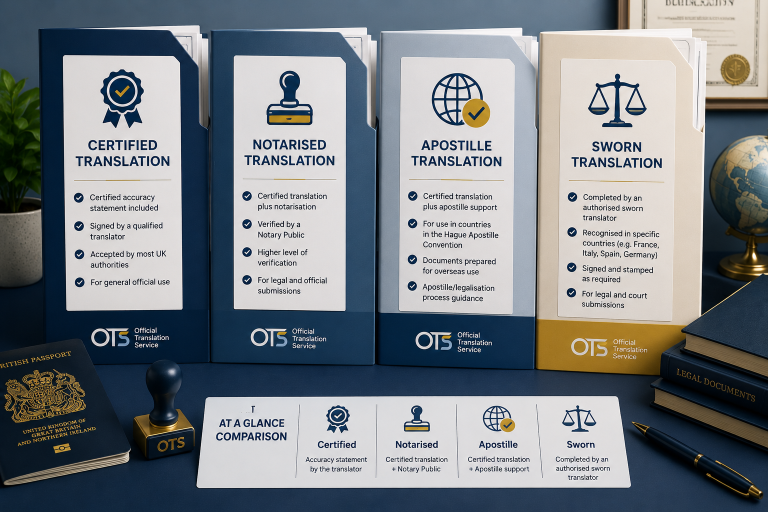
Certified translation is a specific type of translation that is required for official documents. It involves a translator providing a signed statement confirming that the translation is accurate and complete. Understanding the nuances of certified translation is essential for anyone needing official documents translated.
Definition of Certified Translation: A certified translation is a translation that comes with a signed declaration from the translator or translation service. This declaration states that the translation is a true and accurate representation of the original document. It is often required for legal, academic, and immigration purposes.
When is Certification Required? Certification is typically required when submitting documents to government agencies, educational institutions, or legal entities. For example, UKVI requires certified translations for immigration applications, including visas and residency permits. Additionally, courts may require certified translations for legal proceedings involving foreign documents.
How to Obtain a Certified Translation: To obtain a certified translation, follow these steps:
- Choose a reputable translation service that offers certified translations.
- Submit your documents along with any specific instructions regarding terminology or formatting.
- Receive the translated document along with the certification statement.
It is advisable to keep both the original document and the certified translation together when submitting them for official use. This ensures that authorities can easily verify the authenticity of the translation.
Sinhala Translation for UKVI: Key Requirements
When it comes to Sinhala translation for UKVI, there are specific requirements that must be adhered to in order to ensure compliance. Understanding these requirements can help applicants avoid common pitfalls and ensure a smooth application process.
Check the requirements for the specific UK immigration route: where a supporting document requires translation, current guidance commonly expects a complete translation that can be independently verified. The exact evidence requirements depend on the route.
- Translate the complete relevant document rather than selected fields.
- Include confirmation that the translation accurately reflects the source.
- Include the translation date, identifying details, signature and contact information where the route requires independent verification.
Common Pitfalls to Avoid: Many applicants make mistakes that can delay their applications. Some common pitfalls include:
- Choosing unqualified translators who are not familiar with UKVI requirements.
- Failing to provide all necessary documents for translation.
- Submitting translations that lack certification or a translator’s statement.
How to Ensure Compliance: To ensure compliance with UKVI requirements, consider the following tips:
- Research and select a translation service that specializes in UKVI documentation.
- Communicate clearly with the translator about the purpose of the translation and any specific requirements.
- Review the final translated documents to ensure they meet all necessary criteria before submission.
By following these guidelines, applicants can significantly reduce the risk of delays or complications in their immigration processes.
Choosing the Right Translation Service
Choosing the right translation service is crucial for obtaining accurate and reliable translations. Here are several factors to consider when selecting a service for Sinhala to English translation.
- Experience and Specialization: Look for translation services that specialize in legal and certified translations. Experience in handling similar documents increases the likelihood of accuracy.
- Qualifications of Translators: Ensure that the translators are qualified and have relevant certifications. This may include memberships in professional translation organizations or qualifications in linguistics.
- Client Reviews and Testimonials: Check for client reviews and testimonials to gauge the quality of service. Positive feedback from previous clients can indicate reliability and professionalism.
- Response Time: Consider the turnaround time for translations. A reputable service should provide an estimated timeline for completion and be able to accommodate urgent requests if necessary.
- Pricing Structure: Understand the pricing structure and ensure that it aligns with your budget. While cost is important, it should not compromise the quality of the translation.
Asking potential translators specific questions about their process, experience, and turnaround times can provide further insight into their capabilities. A well-informed decision can lead to a smoother translation experience and better outcomes for your documents.
Cost of Sinhala to English Translation Services
The cost of Sinhala to English translation services can vary widely based on several factors. Understanding these factors can help individuals budget effectively for their translation needs.
Factors Influencing Translation Costs: Several factors can influence the cost of translation services, including:
- Document Type: Different types of documents may have varying complexity, which can affect pricing. Legal documents often require more expertise and may cost more than personal documents.
- Length of the Document: The longer the document, the higher the cost. Most translation services charge per word or per page, so it’s essential to consider the length when budgeting.
- Urgency of the Request: If you need a translation completed quickly, many services offer expedited options at a higher cost.
- Certification Requirements: Certified translations may come with additional fees due to the extra work involved in providing a signed statement and ensuring compliance with legal standards.
Pricing: Cost depends on the document, language direction, amount of text, legibility and certification or delivery requirements. See the published translation pricing or send the file for review rather than relying on a generic market range.
Understanding Value vs. Cost: It’s important to remember that the cheapest option may not always provide the best quality. Investing in a reputable translation service can save time and prevent potential issues with document acceptance in official contexts. Quality translations are crucial for legal and immigration purposes, where accuracy is non-negotiable.
Tips for a Smooth Translation Experience
To ensure a smooth translation experience, consider the following tips:
- Preparing Your Documents: Ensure that your documents are complete, legible, and free from errors before submitting them for translation. This can help prevent delays and ensure accuracy.
- Communicating Effectively with Your Translator: Clearly communicate your needs and any specific requirements. Providing context about how the translated documents will be used can help the translator deliver a more accurate result.
- Reviewing the Final Translation: Once you receive the translated document, review it carefully. Check for any discrepancies or errors, and communicate with the translator if revisions are needed.
By taking these steps, individuals can enhance their translation experience and ensure that their documents meet the necessary requirements for official use.
Frequently Asked Questions about Sinhala to English Translation
What is the process for Sinhala to English translation for UK official use?
The process involves identifying the documents needed, choosing a certified translation service, and submitting the documents for translation. After translation, you will receive a certified document suitable for official use.
How long does it take to translate documents from Sinhala to English?
Turnaround depends on the document length, legibility, language direction and required certification. Send the complete file and deadline for a confirmed timeframe.
Do I need a certified translation for UKVI?
If a document required for your immigration route is not in English or Welsh, check the current route guidance for the translation details it requires. Do not rely on a generic claim that a particular accreditation is mandatory.
What types of documents need translation for UK official purposes?
Common documents include legal documents, academic records, and personal identification documents such as birth and marriage certificates.
How can I ensure the quality of my Sinhala to English translation?
To ensure quality, choose a reputable translation service, ask for samples or references, and check for the translator’s qualifications.
Need Sinhala documents translated into English?
Review our Sinhala certified translation service, then send the complete document online with the receiving organisation and deadline.