Understanding the Need for Punjabi to English Translation in the UK
Accurate translation of documents from Punjabi to English is crucial in the UK, particularly for individuals navigating legal and immigration processes. The UK is home to a significant Punjabi-speaking population, making the need for reliable translation services essential. Accurate translations ensure that legal documents maintain their integrity and validity, which is paramount in scenarios such as visa applications, residency permits, and other official matters.
Punjabi-to-English translation may be needed for family, study, citizenship or other immigration applications when required evidence is not in English or Welsh. The exact documents vary by route and applicant, so check the current evidence list before translating birth, marriage, academic, financial or other records.
For official documents, preserve the information and meaningful structure needed to compare the translation with the source, including names, dates, stamps and annotations. Exact visual replication of the original layout is not a universal UK requirement.
In summary, the need for Punjabi to English translation in the UK is driven by the necessity for accurate, reliable translations that uphold the integrity of legal documents in various official contexts. Engaging professional translation services ensures compliance with UKVI requirements and enhances the chances of successful application outcomes.
Types of Documents That Require Translation
When it comes to Punjabi to English translation, several types of documents are frequently required for official use in the UK. Understanding these documents helps individuals prepare effectively for their translation needs.
- Birth Certificates: Birth certificates are often required for visa applications, school enrollments, and citizenship processes. They must be translated accurately to reflect the original details, including names, dates, and places of birth.
- Marriage Certificates: For individuals applying for spousal visas or residency based on marriage, a translated marriage certificate is essential. This document must include all pertinent details, such as the names of both parties, the date of marriage, and the officiant’s information.
- Academic Transcripts: Students applying to UK universities must provide translated academic transcripts. These documents should clearly convey the subjects studied, grades achieved, and the issuing institution’s details. Accurate translations are vital for admissions committees to assess qualifications effectively.
- Legal Documents: Contracts, affidavits and court orders may require translation when used in an English-language process. Certification and any other formalities depend on the court, solicitor, authority or overseas recipient involved; translation alone does not automatically give a document legal effect.
Each of these document types plays a critical role in various official processes, making it imperative that they are translated accurately and professionally. Engaging a certified translation service ensures that these documents meet the necessary legal and regulatory standards.
The Punjabi Document Translation Process Explained
The process of translating Punjabi documents into English involves several key steps to ensure accuracy and compliance with UK standards. Below is a detailed overview of this process:
- Choose relevant experience: Use a Punjabi-to-English translator or service familiar with the document type and intended recipient. Confirm whether a certification statement or any additional formality is actually required.
- Document Submission: Once a translator is selected, the client submits the original Punjabi documents for translation. It is essential to provide clear copies of the documents, as any illegibility can lead to inaccuracies in the translation.
- Translation Process: The translator begins the translation, ensuring that all details are accurately rendered in English. This includes not only the text but also any formatting that reflects the original document’s layout. The translator must be attentive to legal terminology and cultural nuances to maintain the document’s integrity.
- Quality Assurance Measures: After the initial translation, a quality assurance process is implemented. This may involve a second translator reviewing the work for accuracy and consistency. Some services also utilize software tools to check for errors and ensure that the translation adheres to industry standards.
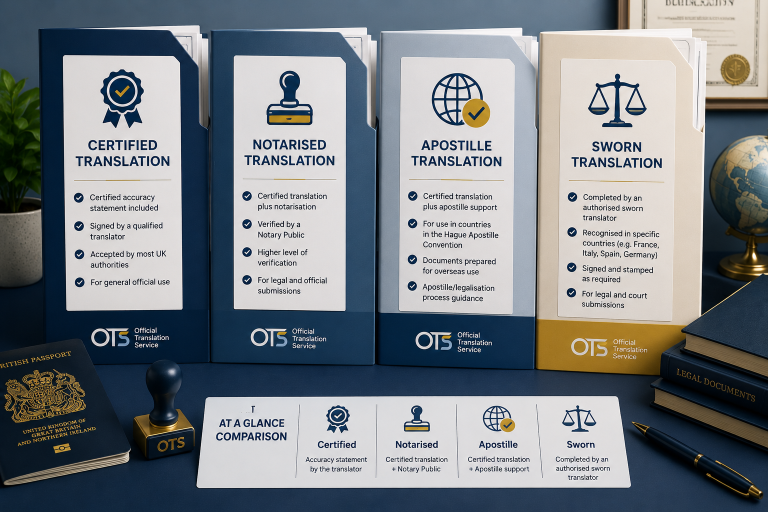
- Certification of the Translation: Once the translation is complete and reviewed, it is certified by the translator. This certification is a formal statement affirming that the translation is accurate and complete. It is often required for official submissions to UKVI and other authorities.
- Delivery of Translated Documents: Finally, the translated documents are delivered to the client, often accompanied by the certification. Clients should ensure that the documents are received in the required format, whether digital or hard copy, based on their specific needs.
This structured process ensures that Punjabi documents are translated accurately and meet the necessary legal requirements for use in the UK. Engaging a professional translation service can significantly enhance the quality and reliability of the translated documents.
Choosing the Right Translation Service for Punjabi to English
Selecting the right translation service is critical for ensuring high-quality translations of Punjabi documents into English. Here are several factors to consider when making this choice:
- Certification capability: Confirm that the provider can supply the certification statement required by the recipient. There is no single UK government licence that every written translator must hold.
- Experience and Specialization: Look for a service that specializes in Punjabi to English translations. Experience in handling legal documents, academic transcripts, and other official papers is crucial for accuracy and compliance.
- Client Reviews and Testimonials: Research client feedback and testimonials to gauge the service’s reliability and quality. Positive reviews can provide insights into the service’s strengths and areas of expertise.
- Turnaround Time: Consider the service’s turnaround time, especially if you have tight deadlines for visa applications or other official matters. Ensure that the service can meet your time requirements without compromising quality.
- Cost Comparison: While cost should not be the only deciding factor, it is essential to compare pricing among different services. Look for a balance between affordability and quality, as the cheapest option may not always provide the best results.
By carefully considering these factors, individuals can select a translation service that meets their needs and ensures accurate, reliable translations for official use in the UK.
The Role of UKVI in Document Translation
The UK Visas and Immigration (UKVI) plays a pivotal role in the document translation process for individuals applying for visas or residency in the UK. Understanding UKVI requirements is essential for ensuring that translations are accepted and processed efficiently.
For UK immigration, translate the non-English or non-Welsh evidence required by the specific route and follow that route’s current certification instructions. Not every applicant submits the same document types, and there is no single universal translator-credential rule for every route.
Translations are assessed based on several criteria, including:
- Accuracy: The translation must accurately reflect the content of the original document, including all names, dates, and relevant details.
- Completeness: All sections of the document must be translated in full. Partial translations may lead to application delays or rejections.
- Certification: Where the route requires it, include the accuracy statement and translator or translation-service details specified by the current guidance.
A missing, incomplete or inaccurate translation can cause questions about the evidence and may affect processing. The application outcome depends on the route and full evidence, so avoid presenting translation compliance as a guarantee of approval.
Common Challenges in Punjabi to English Translation
Translating documents from Punjabi to English presents several challenges that can impact the accuracy and effectiveness of the translation. Here are some common issues encountered during the translation process:
- Cultural Nuances: Punjabi and English are rooted in different cultural contexts, which can lead to misunderstandings if not addressed properly. Certain phrases or expressions in Punjabi may not have direct English equivalents, requiring careful consideration and adaptation by the translator.
- Dialect Variations: Punjabi has various dialects, such as Eastern Punjabi and Western Punjabi, which can differ significantly in vocabulary and usage. A translator must be familiar with the specific dialect of the original document to ensure accurate translation.
- Technical Jargon: Legal and academic documents often contain specialized terminology that can be challenging to translate accurately. Translators must have a strong understanding of the relevant field to convey the correct meaning in English.
These challenges highlight the importance of engaging experienced and certified translators who can navigate the complexities of Punjabi to English translation effectively. By doing so, individuals can ensure that their documents are accurately translated and suitable for official use in the UK.
Tips for Ensuring Accurate Translations
- Double-Check Documents: Before submitting documents for translation, double-check them for clarity and completeness. Ensure that all necessary information is included and that the documents are legible.
- Use Glossaries: If you have specific terminology that must be used in the translation, provide a glossary to the translator. This can help maintain consistency and accuracy throughout the document.
- Engage Native Speakers: If possible, involve native Punjabi speakers in the translation process. Their insights can help identify cultural nuances and ensure that the translation resonates appropriately with the intended audience.
By following these tips, individuals can enhance the accuracy and effectiveness of their Punjabi to English translations, ensuring that their documents meet the necessary standards for official use in the UK.
FAQs About Punjabi to English Translation for UK Official Use
What is the process for translating Punjabi documents to English?
The process involves engaging a certified translator, submitting documents for translation, and receiving the translated documents with certification. This ensures accuracy and compliance with UK standards.
How long does it take to translate documents from Punjabi to English?
Turnaround depends on document length, legibility, language variant, formatting and certification needs. Confirm timing after the files have been reviewed.
Are translations for UKVI different from regular translations?
Yes, translations for UKVI must meet specific standards set by the UK government. Certification is often required, and accuracy is crucial for visa applications to avoid delays or rejections.
What types of documents need certified translation?
Common documents requiring certified translation include legal documents, academic records, and personal identification documents, all of which must be accurately translated for official use.
Can I translate my own documents for official use?
Do not assume a self-translation will satisfy an official recipient. Check the receiving organisation’s rules and use an independent professional translation where its requirements call for one.
For service information, see our Punjabi certified translation page.