Understanding the Importance of Burmese to English Translation for UK Official Use
Burmese-to-English translation may be needed when a UK organisation cannot use a Burmese document as submitted. The documents that need translation, and any certification details required, depend on the receiving organisation and the purpose of the submission.
Translation errors can cause questions or delays where information is unclear. For example, a birth certificate translation used for a family application should reproduce names, dates, places, stamps and annotations accurately. Academic institutions likewise set their own evidence and translation requirements.
Common scenarios requiring Burmese to English translation include:
- Visa Applications: Many visa categories require applicants to submit translated documents.
- Educational Enrollment: Universities often require certified translations of academic records.
- Legal Proceedings: Court documents must be accurately translated to ensure legal compliance.
In summary, the importance of accurate Burmese to English translation for UK official use cannot be overstated, as it plays a vital role in ensuring that individuals can successfully navigate the legal and administrative landscape of the UK.
Types of Documents That Require Translation
When it comes to Burmese document translation for UK official use, various types of documents may require translation. Understanding these categories is essential for anyone preparing to submit documents to UK authorities.
Personal Documents
Personal documents such as birth certificates and marriage licenses are often required for immigration and legal purposes. A birth certificate translation is essential for family visa applications, while a marriage license may be necessary for spousal visa applications. Both documents must be translated accurately to reflect the original content without any discrepancies.
Academic Documents
Academic documents, including transcripts and diplomas, are crucial for international students applying to UK universities. Universities require these documents to assess the eligibility of applicants. An accurate translation of academic records ensures that the qualifications are recognized and accepted by the educational institution. Any errors in translation could lead to rejection of the application or misinterpretation of the applicant’s educational background.
Legal Documents
Legal documents, such as contracts and court orders, require precise translation to maintain their validity in legal proceedings. For instance, a contract that is not accurately translated may lead to disputes or legal challenges. Similarly, court orders must be translated correctly to ensure that all parties understand their obligations and rights. Legal translations must adhere to specific terminology and format to be deemed acceptable by UK courts.
In conclusion, understanding the types of documents that require translation is essential for anyone needing to submit Burmese documents for official use in the UK. Each document type has its unique requirements and implications, making professional translation services indispensable.
The Burmese Document Translation Process
The process of translating Burmese documents into English involves several key steps, each designed to ensure accuracy and compliance with UK standards.
Steps Involved in Translating Documents
- Identify the Document Type: Determine the type of document that needs translation, whether personal, academic, or legal.
- Select a Qualified Translator: Choose a translator who specializes in Burmese to English translation and has experience with the specific document type.
- Submit the Document: Provide the original document to the translator, along with any specific instructions or requirements.
- Review the Translation: Once the translation is complete, review it for accuracy and completeness.
- Obtain Certification: If the receiving organisation requires certification, ensure the translation includes the certification details it asks for.
Choosing the Right Translation Service
Selecting the right translation service is crucial for ensuring that your documents are translated accurately. Look for services that specialize in Burmese to English translation and have a proven track record of delivering high-quality translations. Check their qualifications, such as certifications from recognized translation organizations.
Importance of Certified Translations
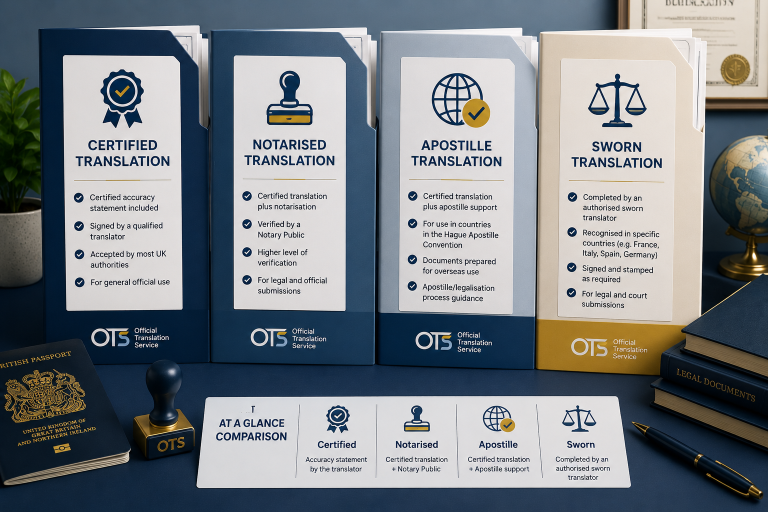
Certified translations are often required for official use in the UK. A certified translation includes a signed statement from the translator or translation service attesting to the accuracy and completeness of the translation. This certification is essential for documents submitted to UK authorities, as it provides assurance that the translation meets the required standards.
In summary, the Burmese document translation process involves careful planning and execution to ensure that translations are accurate, certified, and suitable for official use in the UK.
How to Choose a Reliable Translation Service
Choosing a reliable translation service is a critical step in ensuring that your Burmese documents are translated accurately for official use in the UK. Here are some factors to consider when selecting a translation service:
Factors to Consider When Selecting a Translation Service
- Experience and Expertise: Look for a service with extensive experience in translating Burmese documents, particularly those relevant to your needs.
- Relevant experience: Check that the provider has experience with Burmese-to-English documents and the intended recipient. Professional memberships can be useful quality signals, but they are not a universal legal requirement.
- Client Reviews and Testimonials: Research client feedback to gauge the quality of service and customer satisfaction.
- Turnaround Time: Consider the service’s ability to meet your deadlines, especially if you have urgent translation needs.
- Cost Transparency: Look for a service that provides clear pricing structures without hidden fees.
Checking for Certifications and Accreditations
Certifications and accreditations are indicators of a translation service’s credibility and quality. Professional memberships and quality systems can be useful indicators when comparing providers, but no single ATC, ITI or other membership is required for every UK submission. The key test is whether the translation satisfies the receiving organisation’s instructions.
Reading Reviews and Testimonials
Client reviews and testimonials offer valuable insights into the quality of a translation service. Look for feedback on accuracy, professionalism, and customer service. Positive reviews can help you make an informed decision when selecting a translation service.
In conclusion, choosing a reliable translation service involves careful consideration of various factors, including experience, certifications, and client feedback. Taking the time to research and select the right service can make a significant difference in the accuracy and acceptance of your translated documents.
Burmese Certified Translation Process Explained
Understanding the certified translation process is essential for anyone needing to submit Burmese documents to UK authorities. A certified translation is a translation that comes with a signed statement from the translator or translation service, confirming that the translation is accurate and complete.
What is a Certified Translation?
A certified translation is a document that has been translated by a qualified translator and includes a certification statement. This statement typically includes the translator’s name, qualifications, and a declaration that the translation is a true and accurate representation of the original document. Certified translations are often required for legal, immigration, and academic purposes.
How to Obtain a Certified Translation for UKVI
To obtain a certified translation for UK Visas and Immigration (UKVI), follow these steps:
- Select a Qualified Translator: Ensure the translator is experienced in certified translations and familiar with UKVI requirements.
- Submit Your Documents: Provide the original Burmese documents for translation.
- Request Certification: Specify that you need a certified translation for UKVI purposes.
- Review the Translation: Once completed, review the translation for accuracy.
- Receive Certification: Ensure that the translator provides a certification statement with the translated document.
Common Pitfalls to Avoid
When obtaining a certified translation, be aware of common pitfalls that can lead to complications:
- Using an unsuitable provider: Choose a translator or service with the right language pair and document experience for the intended submission.
- Neglecting Certification Requirements: Ensure that the translation includes a certification statement, as UKVI requires this for acceptance.
- Failing to Review Translations: Always review the translation for accuracy before submission to avoid delays or rejections.
In summary, understanding the certified translation process is crucial for ensuring that your Burmese documents are accepted by UK authorities. By following the necessary steps and avoiding common pitfalls, you can ensure a smooth translation experience.
Burmese Translation for UKVI: Requirements and Guidelines
When submitting Burmese documents for UK Visas and Immigration (UKVI), specific requirements and guidelines must be followed to ensure acceptance. Understanding these requirements is essential for a successful application.
Specific Requirements Set by UKVI
UKVI has established clear guidelines for document translations, which include:
- Accuracy: Translations must be accurate and reflect the original content without omissions or additions.
- Certification: Where the route requires certification, the translation should include the accuracy statement and identifying/contact details specified by the relevant guidance.
- Language: Follow the language rule for the immigration route being used. Current Home Office guidance commonly refers to supporting documents that are not in English or Welsh.
Documentation Needed for Visa Applications
When applying for a visa, you may need to submit various documents, including:
- Birth certificates
- Marriage licenses
- Academic transcripts
- Legal documents
Each of these documents must be translated accurately and certified to meet UKVI requirements.
How to Ensure Compliance with UKVI Standards
To ensure compliance with UKVI standards, follow these guidelines:
- Use Qualified Translators: Choose translators who are experienced in UKVI requirements and certified translations.
- Request Certification: Always request a certification statement with your translated documents.
- Review for Accuracy: Thoroughly review the translations for accuracy before submission.
In conclusion, understanding the requirements and guidelines for Burmese translation for UKVI is essential for a successful application. By ensuring compliance with UKVI standards, applicants can avoid delays and complications in the visa process.
Common Challenges in Burmese to English Translation
Translating documents from Burmese to English presents several challenges that must be addressed to ensure accuracy and clarity. Understanding these challenges can help individuals prepare for the translation process.
Language Nuances and Cultural Context
Burmese and English differ significantly in terms of grammar, syntax, and cultural context. Translators must be aware of these differences to convey the intended meaning accurately. For example, certain phrases or idioms in Burmese may not have direct equivalents in English, requiring the translator to find appropriate alternatives that maintain the original intent.
Technical Jargon in Legal Documents
Legal documents often contain specialized terminology that can be challenging to translate. Translators must have a strong understanding of legal concepts in both languages to ensure that the translation is accurate and legally valid. Misinterpretation of legal terms can lead to serious consequences in legal proceedings.
Ensuring Accuracy and Clarity
Maintaining accuracy and clarity in translations is paramount, especially for official documents. Translators must pay close attention to detail and ensure that the translated document reflects the original content without errors. Any inaccuracies can result in delays, rejections, or misunderstandings.
In summary, common challenges in Burmese to English translation include language nuances, technical jargon, and the need for accuracy and clarity. Being aware of these challenges can help individuals choose the right translation services and prepare for the translation process effectively.
Tips for a Smooth Translation Experience
To ensure a smooth translation experience when translating Burmese documents into English, consider the following tips:
Preparing Documents for Translation
Before submitting documents for translation, ensure that they are complete and legible. Remove any unnecessary markings or annotations that may confuse the translator. Providing clear and organized documents can help the translator deliver a more accurate translation.
Communicating Effectively with Your Translator
Effective communication with your translator is essential for a successful translation process. Clearly outline your requirements, including any specific terminology or formatting preferences. Providing context for the document can also help the translator understand its purpose and ensure an accurate translation.
Setting Realistic Timelines
When requesting translations, set realistic timelines for completion. Complex documents may require more time to translate accurately. Discuss the timeline with your translator to ensure that you have a clear understanding of when to expect the completed translation.
In conclusion, following these tips can help ensure a smooth translation experience. By preparing documents, communicating effectively, and setting realistic timelines, individuals can facilitate the translation process and achieve accurate results.
Conclusion: Ensuring Accurate Burmese to English Translations
Accurate Burmese to English translations are essential for individuals navigating official processes in the UK. From visa applications to legal matters, the importance of professional translation cannot be overstated. By understanding the translation process, choosing reliable services, and being aware of the challenges involved, individuals can ensure that their documents are translated accurately and accepted by UK authorities.
Ultimately, investing in professional translation services is a crucial step in achieving success in official matters. With the right approach, individuals can navigate the complexities of document translation and fulfill their requirements with confidence.
Frequently Asked Questions
What is the process for translating Burmese documents to English?
The process involves identifying the type of document, choosing a certified translation service, submitting the documents, and receiving the translated copies.
Why is certified translation important for UK official use?
Certified translation ensures accuracy and authenticity, meets legal requirements for documentation, and is accepted by UK authorities.
How long does it take to translate documents from Burmese to English?
The time required depends on the document length and complexity, typically ranging from a few days to a week. Rush services may be available for urgent needs.
What types of documents need certified translation for UKVI?
The documents that need translation depend on the immigration route and evidence being submitted. Common examples can include civil-status, academic, financial or legal documents where those documents form part of the application.
Can I translate documents myself for UK official use?
Do not assume a self-translation will satisfy an official recipient. Check the receiving organisation’s rules and use an independently verifiable translation where its guidance requires one.