Understanding Property Translation in the UK
Property translation in the UK refers to the process of translating legal documents related to property transactions from one language to another. This specialized form of translation is crucial for non-English speakers who wish to buy or sell property in the UK, ensuring that all parties involved fully understand the terms and conditions of the transaction. The accuracy and clarity of these translations are paramount, as they can significantly impact the legal standing of the documents.
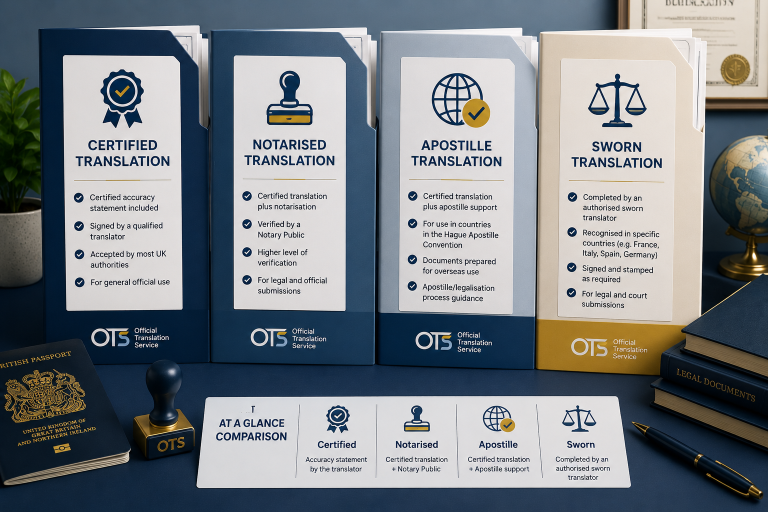
Certified translations can be important in property transactions when a solicitor, lender, Land Registry process, court or other receiving organisation asks for certification. Certification records responsibility for the translation’s accuracy; it is not automatically a legal requirement for every property document or transaction.
Property transactions can involve title, identity, financial, contractual and supporting documents. If a translated document is needed for a Land Registry application or another formal process, check the current requirements for that specific submission rather than assuming a certified translation is always mandatory.
Why You Need Certified Translation for Property Purchase
Property purchases may involve contracts, title-related documents, mortgage papers, identification, powers of attorney and other records. Translation may be needed for understanding, due diligence or formal submission, but certification requirements vary by solicitor, lender, authority and transaction.
If a receiving organisation specifically requires certification and the translation does not meet that instruction, it may request a replacement or additional evidence. Confirm the required format before ordering rather than assuming that every non-certified property translation will be rejected.
A certified translation confirms responsibility for the translation’s accuracy, but it does not authenticate the source document or protect against fraud by itself. Questions about document authenticity, title or transaction risk should be handled through the relevant solicitor, lender or due-diligence process.
In summary, certified translations are not merely a formality; they are a critical component of the property purchasing process in the UK. They ensure legal compliance, protect against misunderstandings, and provide peace of mind to buyers and sellers alike.
Types of Property Documents That Require Translation
When engaging in property transactions in the UK, several types of documents may require translation. Understanding which documents need to be translated is essential for ensuring a smooth transaction process. Here are some of the most common documents that typically require translation:
- Title Deeds: Title deeds are legal documents that prove ownership of a property. They contain vital information such as the property’s boundaries, any rights of way, and any encumbrances. Accurate translation of title deeds is crucial, as any errors can lead to disputes over property ownership.
- Land Registry Documents: These documents are submitted to the Land Registry to register the ownership of a property. They often include details about the property’s history, previous owners, and any legal restrictions. A precise translation is necessary to ensure compliance with legal requirements.
- Conveyancing Agreements: Conveyancing is the legal process of transferring property ownership. The agreements involved in this process must be accurately translated to ensure that all parties understand their rights and responsibilities. Misinterpretations can lead to significant legal issues.
- Property Surveys: Property surveys assess the condition and value of a property. If these documents are in a foreign language, they must be translated to provide potential buyers with a clear understanding of the property’s condition.
- Mortgage Documents: If a buyer is obtaining a mortgage to finance their property purchase, all related documentation must be translated. This includes loan agreements, repayment terms, and any conditions set by the lender.
Each of these documents plays a vital role in the property transaction process. For instance, a title deed translation must accurately reflect the original document to prevent ownership disputes. Similarly, land registry translations must comply with specific legal standards to ensure that the registration process is not hindered.
In conclusion, understanding the types of property documents that require translation is essential for anyone involved in real estate transactions in the UK. Ensuring that these documents are accurately translated can save time, prevent legal complications, and facilitate a smoother transaction process.
The Conveyancing Translation Process Explained
The conveyancing translation process involves several key steps to ensure that all property-related documents are accurately translated and legally compliant. Understanding this process can help buyers and sellers navigate the complexities of property transactions more effectively.
- Document Collection: The first step in the conveyancing translation process is gathering all necessary documents that require translation. This includes title deeds, land registry documents, and any other legal agreements related to the property transaction.
- Initial Assessment: Once the documents are collected, a professional translator will assess the content to determine the complexity and specific terminology that may require special attention. This step is crucial for ensuring that the translator understands the legal context of the documents.
- Translation: The actual translation process begins, where the translator converts the documents from the source language to English (or vice versa). This step requires not only linguistic skills but also a deep understanding of legal terminology and property law.
- Review and Quality Assurance: After the translation is completed, it undergoes a thorough review process. This may involve a second translator or a legal expert who checks for accuracy, consistency, and compliance with legal standards. Quality assurance is vital to ensure that the translated documents are reliable and valid.
- Certification: Once the translation has been reviewed and approved, it is certified by the translator or translation agency. A certified translation includes a statement confirming the accuracy of the translation, which is essential for legal acceptance.
- Delivery: The final step is delivering the certified translation to the client. This may involve providing both digital and hard copies, depending on the client’s needs and the requirements of the authorities involved in the property transaction.
Throughout the conveyancing translation process, it is essential to be aware of key terminology that may arise. Terms such as “encumbrance,” “easement,” and “covenant” are common in property documents and must be accurately translated to maintain their legal significance. The role of translators in this process is crucial; they must not only translate words but also convey the legal implications behind them.
In summary, understanding the conveyancing translation process is vital for anyone involved in property transactions. By following these steps, buyers and sellers can ensure that their documents are accurately translated and legally compliant, reducing the risk of complications during the transaction.
Choosing the Right Translation Service
Selecting the right translation service for property documents is a critical decision that can significantly impact the success of a property transaction. Here are several factors to consider when choosing a translation service:
- Experience: Look for a translation service with extensive experience in property translation. An experienced provider will be familiar with the specific terminology and legal requirements associated with property documents.
- Relevant credentials: Professional memberships such as ITI can be useful quality signals, but they are not universally required. Prioritise experience with the language pair, property terminology and the recipient’s certification requirements.
- Specialization: Choose a service that specializes in legal and property translation. Specialized translators are more likely to understand the nuances of property law and the specific requirements of the UK legal system.
- Client Testimonials: Look for reviews and testimonials from previous clients. Positive feedback from others who have used the service for property translations can provide valuable insights into the quality and reliability of the service.
- Turnaround Time: Consider the turnaround time for translations. Property transactions often have tight deadlines, so it is essential to select a service that can deliver translations promptly without compromising quality.
- Cost: While cost should not be the sole deciding factor, it is important to consider the pricing structure of the translation service. Obtain quotes from multiple providers and compare them, ensuring that you understand what is included in the price.
Verifying translator qualifications is also crucial. Ask for the credentials of the translators who will be handling your documents, including their education, experience, and any relevant certifications. A qualified translator will have a strong command of both the source and target languages, as well as a thorough understanding of legal terminology.
In conclusion, choosing the right translation service is essential for ensuring accurate and legally compliant translations of property documents. By considering these factors, buyers and sellers can make informed decisions that facilitate successful property transactions.
Common Challenges in Property Translation
- Cultural Nuances: Property laws and customs can vary significantly between countries. Translators must be aware of these cultural differences to accurately convey the meaning of legal terms and concepts. For instance, terms that are common in one legal system may not have direct equivalents in another, leading to potential misunderstandings.
- Legal Jargon: Property documents are often filled with legal jargon that can be difficult to translate accurately. Translators must have a deep understanding of legal terminology to ensure that the translated documents retain their intended meaning. Misinterpretations of legal terms can lead to significant legal issues.
- Accuracy in Terminology: The importance of accuracy in terminology cannot be overstated. A single mistranslation can have serious implications for property ownership and rights. For example, incorrectly translating a term related to property boundaries could result in disputes between neighbors.
- Document Format: Property documents often come in various formats, including contracts, reports, and forms. Ensuring that the translation maintains the original format while accurately conveying the content can be challenging. This is particularly important for documents that require specific layouts or signatures.
To overcome these challenges, it is essential to work with experienced translators who specialize in property translation. They will have the necessary skills and knowledge to navigate the complexities of legal language and cultural nuances. Additionally, conducting thorough reviews and quality checks can help identify potential issues before the documents are submitted for legal purposes.
In summary, while property translation presents several challenges, understanding these obstacles and working with qualified professionals can help ensure accurate and reliable translations that meet legal requirements.
Cost of Certified Translation for Property Purchase
The cost of certified translation for property documents can vary widely based on several factors. Understanding these factors can help buyers and sellers budget appropriately for translation services. Here are some key elements that influence the cost of certified translation:
- Document Type: Different types of documents may have varying levels of complexity, which can affect the cost. For example, translating a simple property description may be less expensive than translating a detailed conveyancing agreement with legal jargon.
- Word Count: Most translation services charge based on the word count of the document. Longer documents will naturally incur higher costs. It is advisable to obtain a word count before requesting a quote to understand the potential costs involved.
- Language Pair: The language pair involved in the translation can also influence the cost. Some languages may require specialized translators, which can lead to higher fees. For instance, translating documents from less common languages may be more expensive than translating from widely spoken languages like Spanish or French.
- Turnaround Time: If a translation is needed urgently, many services offer expedited options at an additional cost. Clients should consider their timelines and whether they can accommodate standard turnaround times to save on costs.
- Certification Requirements: Some translation services may charge extra for certification or notarization of the translated documents. It is essential to clarify whether certification is included in the quoted price or if it will incur additional fees.
Pricing depends on the document type, language pair, word or page count, formatting, certification and deadline. See our current translation prices or submit the property documents for an exact quote.
In conclusion, understanding the various factors that influence the cost of certified translation for property documents is essential for effective budgeting. By considering these elements, buyers and sellers can make informed decisions and ensure that they allocate sufficient resources for accurate and legally compliant translations.
FAQs About Property Translation in the UK
What is property translation in the UK?
It refers to the translation of legal documents related to property transactions.
Why is certified translation necessary for property purchases?
Certification may be requested by a solicitor, lender, authority or other recipient. It confirms responsibility for the translation’s accuracy but does not itself establish legal compliance.
What types of documents require translation for property purchase?
Title deeds, land registry documents, and conveyancing agreements.
How can I choose a reliable translation service?
Look for relevant language and property-document experience, a clear quality process and the ability to meet the receiving organisation’s certification requirements.
What are the common challenges in property translation?
Legal jargon, cultural nuances, and accuracy in terminology.
What is the average cost of certified translation for property documents?
Costs vary based on document type and complexity; budgeting is essential.
Need property documents translated?
See our property document translation service or real estate translation service for property-specific support.