Understanding NHS Translation in the UK
NHS translation refers to the process of translating healthcare-related documents and materials for the National Health Service (NHS) in the UK. This includes a wide range of documents such as patient records, consent forms, medical reports, and clinical trial documents. The importance of certified translation in healthcare cannot be overstated, as it ensures that all parties involved in patient care have a clear understanding of the information being communicated. Accurate translations can significantly impact patient outcomes, as they facilitate effective communication between healthcare providers and patients from diverse linguistic backgrounds.
The NHS serves patients with many language needs, but there is no single “NHS certified translation” rule that applies to every medical document or care setting. A hospital, clinic, commissioning body, insurer, regulator or other recipient may have its own requirements, so the translation format should be confirmed for the specific use.
When Medical Documents May Need Certified Translation
Medical documents may need translation for treatment, referral, insurance, legal, regulatory or immigration purposes. Whether certification is required depends on the organisation receiving the document. For clinical communication, accuracy and context are especially important, and interpreting may be more appropriate than document translation for live patient communication.
Inaccurate medical translation can create confusion, so terminology, dosages, dates, diagnoses and instructions should be handled carefully. A translation service should not claim to guarantee compliance with a universal NHS standard; the relevant clinical or administrative recipient should confirm what it needs.
Types of Medical Documents Requiring Translation
Several types of medical documents require translation to ensure effective communication within the NHS. These include:
- Patient Records: These documents contain vital information about a patient’s medical history, treatments, and allergies. Accurate translations are essential for continuity of care, especially when patients move between different healthcare providers.
- Consent Forms: Consent forms must be clearly understood by patients before they undergo any medical procedures. A mistranslation can lead to patients consenting to procedures they do not fully understand, which can have serious ethical and legal implications.
- Medical Reports: These documents summarize a patient’s condition and treatment plan. Accurate translations are crucial for ensuring that healthcare providers understand the necessary interventions and follow-up care required.
- Clinical Trial Documents: Participants in clinical trials must fully understand the protocols and potential risks involved. Accurate translations of these documents are essential for informed consent and ethical compliance.
Each of these document types plays a critical role in ensuring that patients receive safe and effective care. Therefore, the translation of these documents must be handled with the utmost care and professionalism.
The Process of NHS Certified Translation
The process of NHS certified translation involves several key steps to ensure accuracy and compliance with legal standards. First, the document to be translated is reviewed by a professional translator who specializes in medical translation. This initial review helps identify any specific terminology or context that may require special attention.
Once the translator has a clear understanding of the document’s content, they begin the translation process. This involves not only translating the text but also ensuring that the formatting and layout of the document remain consistent with the original. After the translation is complete, a second translator or editor reviews the work to check for accuracy and clarity. This quality assurance step is crucial in medical translation, as even minor errors can have significant consequences.
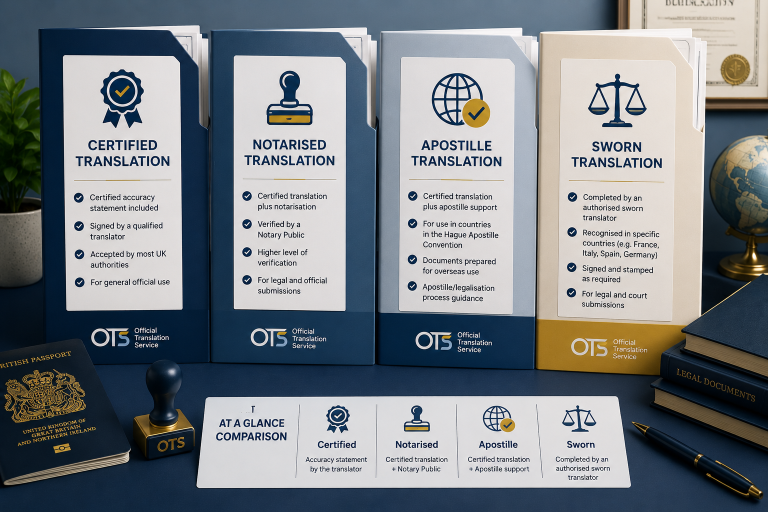
If the receiving organisation asks for certification, the completed translation can include an accuracy statement and the identifying details it specifies. Where certification is not requested, the service should still be matched to the intended clinical, administrative or official use.
Choosing the Right Translation Service for NHS
When selecting a translation service for NHS documents, several key factors should be considered. First and foremost, it is essential to choose a provider with experience in medical translation. This ensures that the translators are familiar with the specific terminology and nuances of the healthcare field.
Additionally, potential clients should inquire about the certifications and qualifications of the translators. Certified translators should have relevant qualifications and experience in both translation and the medical field. Asking for client testimonials or case studies can also provide insight into the provider’s reliability and quality of service.
Another important consideration is the provider’s adherence to quality assurance measures. A reputable translation service should have a clear process in place for reviewing and certifying translations. This can include multiple rounds of editing and proofreading, as well as the use of translation memory tools to ensure consistency across documents.
Lastly, it is beneficial to choose a translation service that offers a range of languages to accommodate the diverse needs of NHS patients. By considering these factors, healthcare providers can select a translation service that meets their specific needs and ensures the highest quality of care for their patients.
Common Challenges in Healthcare Translation
Healthcare translation presents several unique challenges that can complicate the process. One of the most significant challenges is the complexity of medical terminology. Medical language is often highly specialized, and translators must possess a deep understanding of both the source and target languages to accurately convey the intended meaning. Misunderstandings in medical terminology can lead to serious consequences for patient care.
Cultural nuances also play a critical role in healthcare translation. Different cultures may have varying beliefs and practices regarding health and medical treatment. Translators must be aware of these cultural differences to ensure that the translated materials are not only accurate but also culturally sensitive and appropriate.
Maintaining confidentiality is another challenge in healthcare translation. Medical documents often contain sensitive personal information, and translators must adhere to strict confidentiality agreements to protect patient privacy. This requires a high level of professionalism and ethical responsibility on the part of the translator.
By understanding and addressing these challenges, translation services can provide more effective and accurate translations that enhance patient care within the NHS.
Choosing the Right Route for Healthcare Translation
Before ordering, identify whether the document is for direct clinical use, an insurer, a solicitor, a regulator, an immigration application or another recipient. That context determines whether a standard professional translation, certified translation or another format is appropriate.
Future Trends in NHS Translation Services
The future of NHS translation services is likely to be shaped by several emerging trends. One significant trend is the increasing use of technology in translation processes. Advances in artificial intelligence (AI) and machine translation are making it possible to produce faster translations, although human oversight remains essential to ensure accuracy, especially in medical contexts.
Moreover, as patient demographics continue to evolve, translation services will need to adapt to meet the needs of an increasingly diverse population. This may involve expanding language offerings and developing specialized services to cater to specific communities.
Additionally, the integration of telehealth services is likely to drive demand for real-time translation solutions. Healthcare providers may need to utilize interpreters or translation apps during virtual consultations to ensure effective communication with patients who speak different languages.
By staying abreast of these trends, translation services can better prepare for the future and continue to provide high-quality support to the NHS and its patients.
Frequently Asked Questions
What is NHS certified translation?
A certified medical translation is a translation supplied with certification details when the healthcare or official recipient requires them. There is no single certification rule for every NHS document.
Why is certified translation important for medical documents?
Ensures accuracy, compliance with regulations, and protects patient safety.
What types of documents need NHS certified translation?
Medical reports, records and other healthcare documents may need translation depending on their intended use. Ask the receiving organisation whether certification is required.
How do I choose a translation service for NHS documents?
Look for experience, certifications, and client testimonials.
What challenges do translators face in healthcare?
Complex medical terminology, cultural differences, and confidentiality issues.
Need a medical document translated?
Review our medical translation services and medical report translation service, or send the document and recipient requirements for review.