What is a Certificate of No Impediment?
A Certificate of No Impediment (CNI) is used in some international marriage processes as evidence that there is no recorded legal impediment to the proposed marriage. The exact document, validity period, legalisation route and translation requirements depend on the country and authority handling the marriage.
The importance of a CNI cannot be overstated, especially for expatriates or those planning to marry in a foreign country. The CNI typically includes personal details such as the names of the individuals involved, their nationalities, and confirmation that there are no existing marriages or legal impediments. It is a crucial step in the marriage process, as it helps to uphold the legal integrity of the marriage ceremony and protects the rights of both parties.
In the context of international marriages, the CNI helps to prevent fraudulent marriages and ensures that both parties are entering the union voluntarily and without coercion. Without this certificate, couples may face significant legal hurdles, including the potential invalidation of their marriage. Therefore, obtaining a CNI is a fundamental requirement for those wishing to marry abroad.
Why You Need a Certificate of No Impediment Translation
When planning to marry in a foreign country, understanding the legal requirements is essential. Many countries require a Certificate of No Impediment to be presented in the local language, necessitating a translation of the document. This translation is not merely a formality; it is a legal requirement that ensures the document is understood by local authorities.
If the receiving authority requires the CNI in another language, an incomplete or unsuitable translation can delay the document check. Confirm the destination authority’s instructions before arranging translation, notarisation or apostille steps.
Marriage-document requirements vary significantly between countries and even between local authorities. Do not assume that the translation, certification or legalisation route used for one destination will be accepted by another.
Additionally, some countries may require the translation to be certified by a professional translator or a translation agency recognized by local authorities. This adds another layer of complexity, as not all translators are equipped to handle legal documents. Therefore, ensuring that your CNI is accurately translated is crucial for a smooth marriage process abroad.
Certificate of No Impediment Translation Requirements
To successfully translate a Certificate of No Impediment, several key documents and requirements must be considered. First and foremost, you will need the original CNI issued by the relevant authority in your home country. This document serves as the basis for the translation and must be presented in its entirety.
In addition to the CNI, some countries may require additional documentation, such as:
- Proof of identity (e.g., passport or national ID)
- Proof of residency in the country where the marriage will take place
- Any previous marriage certificates or divorce decrees, if applicable
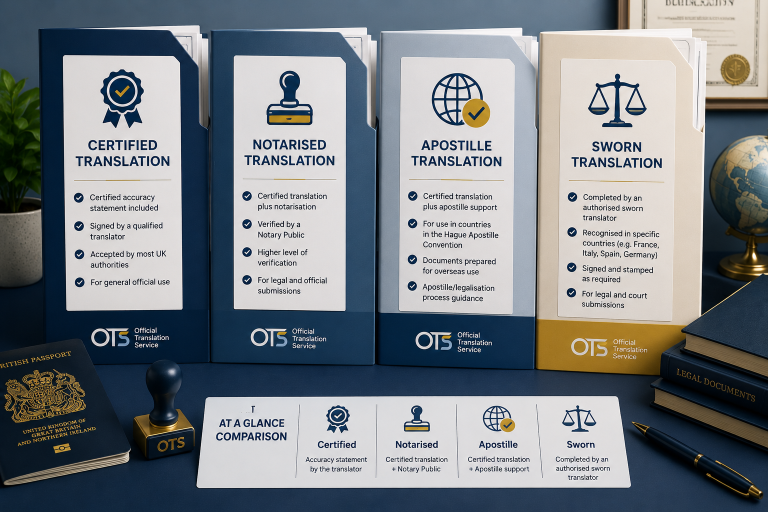
Each country may have specific requirements regarding the format and content of the translation. For instance, countries like France and Germany may require the translation to be notarized or accompanied by an apostille, which is a form of authentication for international documents. It is essential to check the specific requirements of the country where you plan to marry to ensure compliance.
The required translator status and certification format depend on the destination authority. Some countries accept a UK certified translation, while others may require a sworn translator, notarisation, apostille or another local formality.
In summary, the requirements for translating a Certificate of No Impediment can vary significantly depending on the destination country. It is advisable to consult with a professional translation service that is familiar with the legal requirements of the specific country where you intend to marry.
How to Get Your Certificate of No Impediment Translated
Obtaining a translation of your Certificate of No Impediment involves a systematic process to ensure accuracy and compliance with legal standards. Here’s a step-by-step guide to help you navigate this process:
- Gather Necessary Documents: Collect all required documents, including your original CNI, proof of identity, and any additional documents required by the destination country.
- Choose a Certified Translator: Select a translator or a translation agency that specializes in legal translations. Ensure they are certified and have experience with marriage-related documents.
- Request a Quote: Contact the translator or agency to request a quote for the translation service. Provide them with details about the document and any specific requirements from the destination country.
- Submit Your Documents: Send your original CNI and any other required documents to the translator. Ensure that you provide clear instructions regarding the language and format needed for the translation.
- Review the Translation: Once the translation is completed, review it for accuracy. It is advisable to have a second pair of eyes check the document to ensure that all information is correctly translated.
- Obtain Certification: If required, request a certification statement from the translator confirming the accuracy of the translation. This may also need to be notarized, depending on the destination country’s requirements.
- Submit the Translated Document: Once you have the certified translation, submit it along with your other marriage documents to the relevant authorities in the country where you plan to marry.
Following these steps will help ensure that your Certificate of No Impediment is accurately translated and meets all necessary legal requirements for your marriage abroad.
The Certificate of No Impediment Certified Translation Process in the UK
In the UK, a certified translation is one that is accompanied by a declaration from the translator or translation agency attesting to its accuracy and completeness. This certification is crucial for legal documents, including the Certificate of No Impediment, as many authorities require it for acceptance.
To ensure that your translation is considered certified, the following steps should be followed:
- Use a Qualified Translator: The translator should be a professional with qualifications in legal translation. Look for translators who are members of recognized professional bodies, such as the Institute of Translation and Interpreting (ITI) or the Chartered Institute of Linguists (CIOL).
- Provide a Certification Statement: The translator must include a signed statement with the translated document, confirming that the translation is accurate and complete. This statement should also include the translator’s qualifications and contact information.
- Notarization (if required): Depending on the requirements of the destination country, you may need to have the certification notarized. This adds an extra layer of authenticity to the translation.
To verify a certified translation, you can contact the translator or agency directly to confirm their credentials and the authenticity of the translation. Many professional translators maintain records of their work and can provide proof of their qualifications upon request.
In summary, the certified translation process in the UK involves selecting a qualified translator, obtaining a certification statement, and ensuring compliance with any additional requirements set by the destination country. This process is essential to ensure that your Certificate of No Impediment is accepted without issues.
Common Challenges in CNI Translation
Translating a Certificate of No Impediment can present several challenges, particularly due to language barriers and the complexities of legal terminology. Understanding these challenges can help you navigate the process more effectively.
One of the primary challenges is the accurate translation of legal terminology. Legal documents often contain phrases and terms that do not have direct equivalents in other languages. A translator must not only be fluent in both languages but also have a deep understanding of the legal implications of the terms used. For instance, the phrase “no impediment” may be expressed differently in various legal systems, requiring careful consideration during translation.
Another challenge is ensuring compliance with the specific requirements of the destination country. Each country has its own regulations regarding the format, certification, and acceptance of translated documents. Failure to adhere to these requirements can result in delays or rejections of the marriage application.
Additionally, cultural differences can impact the translation process. Certain phrases or concepts may be interpreted differently in various cultures, which can lead to misunderstandings. A skilled translator must be aware of these nuances to ensure that the translation accurately reflects the intended meaning.
To mitigate these challenges, it is advisable to work with a professional translation service that specializes in legal documents. They will have the expertise to navigate the complexities of legal language and ensure that your Certificate of No Impediment is translated accurately and in compliance with all necessary regulations.
Cost of Certificate of No Impediment Translation in the UK
The cost of translating a Certificate of No Impediment in the UK can vary widely based on several factors. Understanding these factors can help you budget appropriately for your translation needs.
Some of the key factors that influence the cost include:
- Language Pair: The complexity of the language pair can affect pricing. For instance, translating from a widely spoken language like Spanish may be less expensive than translating from a less common language like Thai.
- Length of the Document: The longer the document, the higher the cost. Translation services typically charge per word or per page, so a longer CNI will naturally incur higher fees.
- Certification Requirements: If your translation requires certification or notarization, additional fees may apply. Certified translations often come with a premium due to the added responsibility of the translator.
- Turnaround Time: If you need your translation completed quickly, you may incur rush fees. Standard turnaround times can vary, but expedited services typically cost more.
Pricing depends on the language pair, document length, destination-country requirements and any additional certification, notarisation or apostille steps. Check our current translation prices or send the document for an exact quote.
Tips for a Smooth CNI Translation Experience
To ensure a smooth and hassle-free experience when obtaining a translation of your Certificate of No Impediment, consider the following best practices:
- Start Early: Begin the translation process as soon as you know you will need a CNI. This will allow ample time for any potential delays or issues that may arise.
- Communicate Clearly: When contacting a translation service, provide clear and detailed information about your needs, including any specific requirements from the destination country.
- Check Credentials: Ensure that the translator or agency you choose has the necessary qualifications and experience in legal translations.
- Review the Translation: Once you receive the translated document, review it carefully for accuracy. If possible, have a second person review it as well.
- Follow Up: If you have any concerns or questions about the translation, do not hesitate to reach out to the translator for clarification.
By following these tips, you can help ensure that your Certificate of No Impediment translation process goes smoothly and meets all necessary legal requirements.
Conclusion: Ensuring Your CNI Translation is Done Right
Obtaining a Certificate of No Impediment and ensuring its accurate translation is a critical step for anyone planning to marry abroad. Understanding the requirements, challenges, and processes involved can help you navigate this essential task with confidence.
From gathering the necessary documents to choosing a qualified translator, each step plays a vital role in ensuring that your CNI is translated accurately and is compliant with the legal standards of the destination country. Remember to start early, communicate clearly, and review the translation thoroughly to avoid any potential issues.
By taking these precautions, you can ensure that your marriage plans proceed without unnecessary complications, allowing you to focus on the joyous occasion ahead.
Frequently Asked Questions
What is a Certificate of No Impediment?
A document proving no legal obstacles to marriage.
How long does it take to get a CNI translated?
Turnaround depends on the language pair, certification route and destination requirements. Confirm the deadline before ordering.
Do I need a certified translation for my CNI?
Many authorities require an official or certified form of translation, but the exact requirement varies by destination. Check the authority handling the marriage before ordering.
What are the costs associated with CNI translation?
Costs vary based on language and service provider.
Can I translate my CNI myself?
Self-translation may not satisfy the receiving authority’s requirements. Check whether it requires a certified, sworn, notarised or otherwise official translation.
Need a Certificate of No Impediment Translation?
Send the complete CNI and tell us the destination country and receiving authority. We can review the requirements and direct you to the appropriate Certificate of No Impediment translation service before you place an order.